
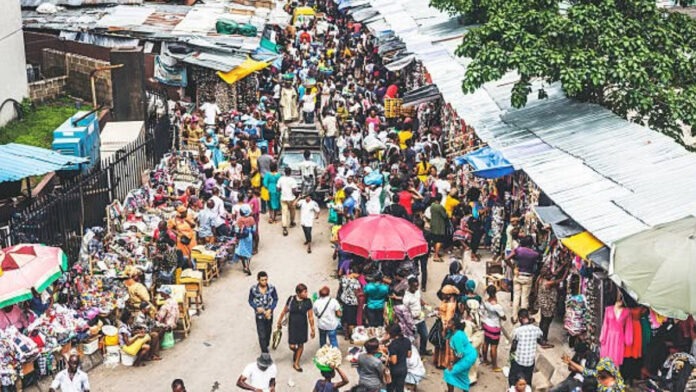
July 21, (THEWILL) — Nigeria’s economy has shown signs of recovery in 2026, with stronger government revenue, rising foreign reserves, improved oil production and continued reforms across several sectors.
Yet for many Nigerians, the benefits remain difficult to see in everyday life.
From rising food prices to expensive transport, high electricity costs and the struggle to secure decent jobs, millions of households continue to grapple with economic realities that directly affect their standard of living.

While policymakers focus on long-term reforms, these are the challenges ordinary Nigerians encounter every day.
1. Rising Cost of Living
For many households, the biggest challenge remains the rising cost of living. Basic expenses such as food, transportation, school fees, rent, and healthcare now consume a much larger share of monthly income than they did just a few years ago.
Although wages have increased in some sectors, they have generally failed to keep pace with the rapid rise in living expenses, forcing many families to cut back on discretionary spending.
As a result, managing household finances has become increasingly difficult, especially for low and middle-income earners.

2. Persistent Inflation
Inflation continues to erode the purchasing power of Nigerians despite signs that price pressures are beginning to moderate.
Consumers still pay significantly more for groceries, household items, clothing, and essential services than they did before the inflation surge.
For many families, every visit to the market requires a larger budget while the quantity of goods purchased continues to shrink.
3. Limited Employment Opportunities
Finding stable employment remains one of the country’s biggest economic challenges, particularly for young Nigerians entering the labour market.
Many graduates struggle to secure formal jobs, while others rely on freelance work, side businesses, or informal employment to generate income.
Even among those who are employed, underemployment remains widespread, limiting earning potential and career growth.
4. Unreliable Electricity Supply
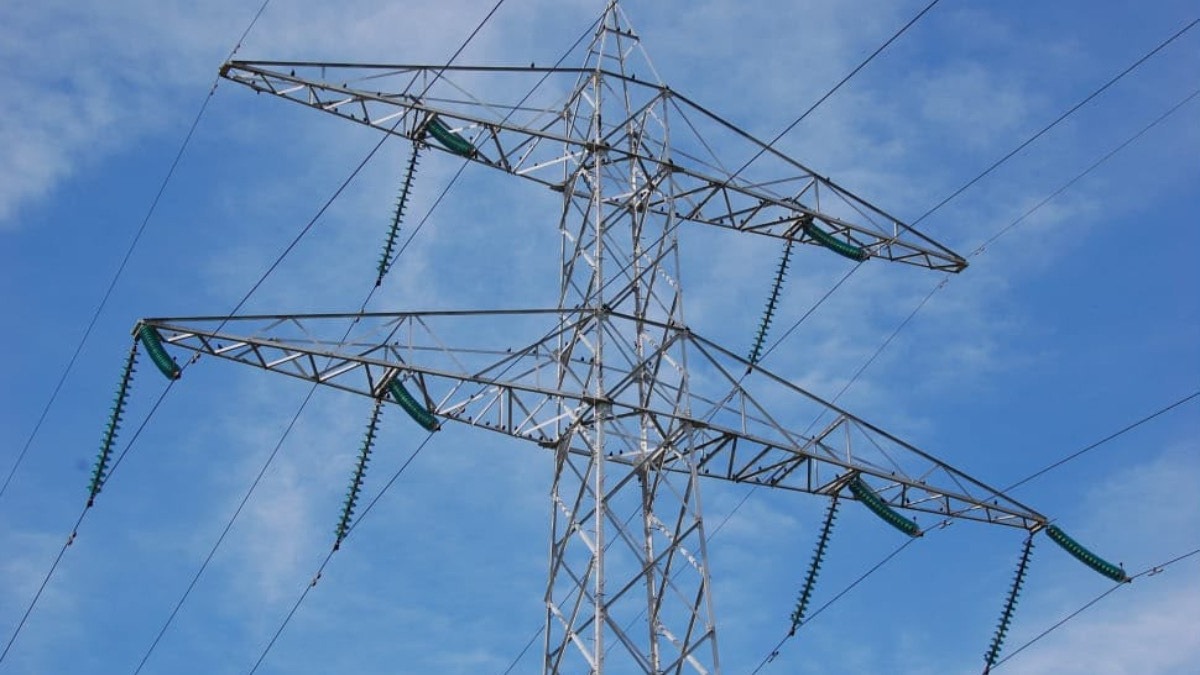
Despite ongoing reforms in the power sector, inconsistent electricity remains a daily challenge for households and businesses.
Many homes still depend on generators, inverters, and solar systems to cope with frequent power outages.
For businesses, the high cost of alternative energy continues to increase operating expenses, which often translate into higher prices for consumers.
5. Exchange Rate Pressure
The value of the naira continues to influence the prices Nigerians pay for many goods and services.
Imported food, medicines, electronics, industrial equipment and school fees abroad remain heavily affected by movements in the foreign exchange market.
Businesses that depend on imported inputs also face higher costs, many of which are eventually passed on to consumers.
6. Expensive Loans and Credit
High interest rates have made borrowing more expensive for both individuals and businesses.
Small business owners seeking expansion capital now face significantly higher financing costs, while many households find mortgages and personal loans increasingly unaffordable.
The result is slower business expansion and reduced consumer spending across several sectors of the economy.

7. Housing Costs Continue to Rise
Rent has become one of the fastest-growing expenses for many Nigerians, particularly in major cities such as Lagos, Abuja and Port Harcourt.
The rising cost of building materials has also pushed property prices higher, making home ownership increasingly difficult for many families.
For tenants, annual rent increases continue to place additional pressure on already stretched household budgets.

8. Rising Transportation Costs
Transportation remains a major source of financial pressure for workers, students, and traders.
Higher fuel prices, vehicle maintenance costs, and spare parts have contributed to rising transport fares across the country.
For many Nigerians who commute daily, transport now accounts for a significant portion of their monthly income.
9. Food Insecurity
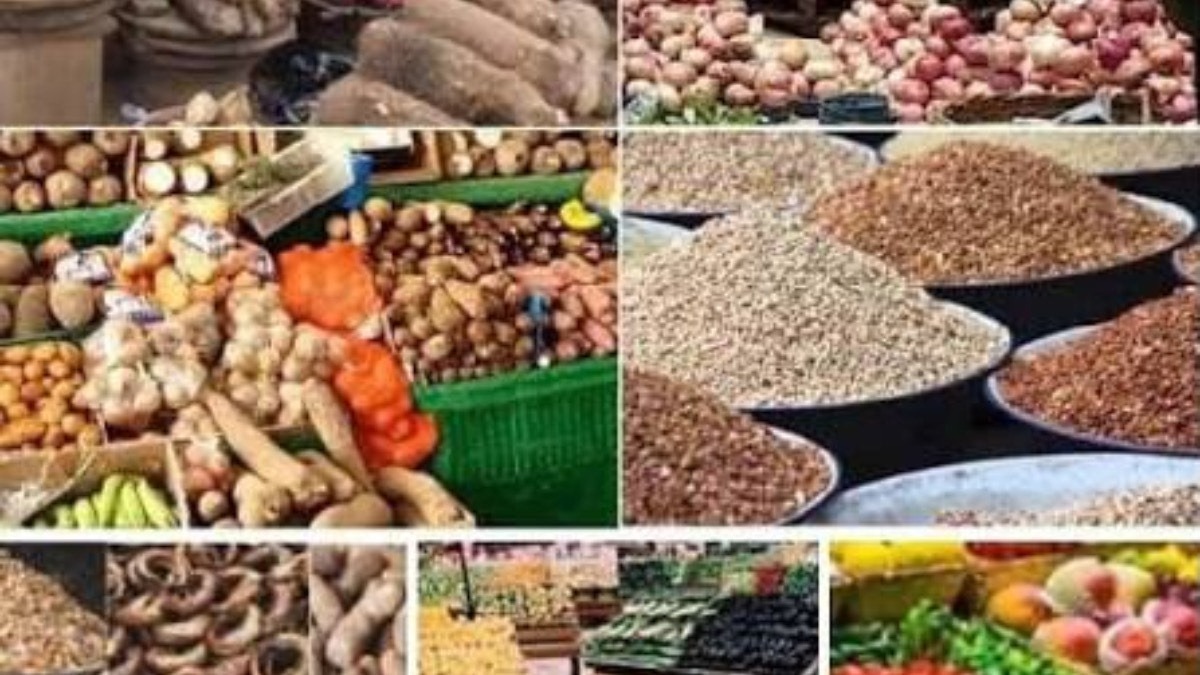
Food prices remain one of the most visible economic challenges facing households across Nigeria.
Staple foods, including rice, beans, yams, garri, and cooking ingredients, have become considerably more expensive over the past few years, making balanced nutrition increasingly difficult for many families.
The situation has forced many households to adjust their eating habits, reduce food portions, or substitute with more affordable alternatives.
10. Multiple Taxes and Business Costs
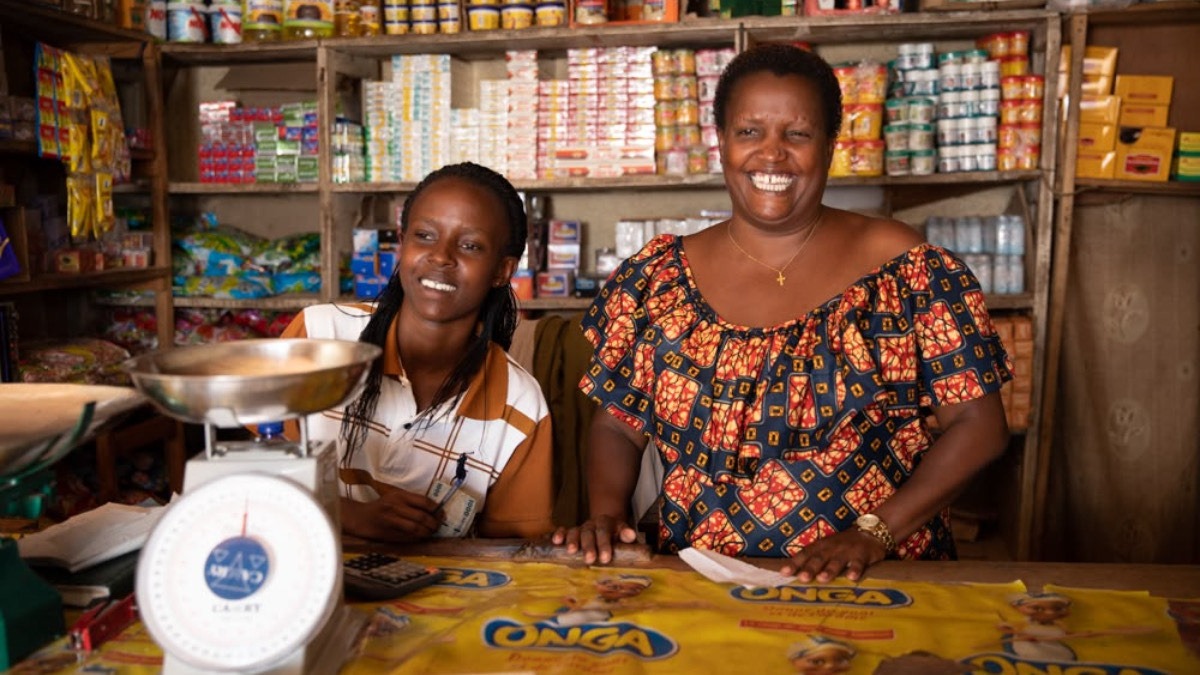
Businesses, particularly small and medium-sized enterprises, continue to complain about multiple taxes, levies and regulatory charges imposed by different levels of government.
Combined with rising energy, transportation and financing costs, these expenses reduce profitability and discourage business expansion.
Ultimately, many of these additional costs are passed on to consumers through higher prices for goods and services.
Looking Ahead
While Nigeria’s economic reforms are designed to strengthen long-term growth and improve macroeconomic stability, many of the country’s biggest challenges remain highly visible in the daily lives of ordinary citizens.
Addressing these issues will require more than policy announcements.
Sustained implementation, stronger private-sector investment, job creation and infrastructure improvements will ultimately determine how quickly Nigerians begin to feel the benefits of economic reforms in their everyday lives.

Ogochukwu Onwaeze is a writer specializing in business and economic journalism. At THEWILL News Media, she translates market trends, financial developments, and policy shifts into clear and engaging stories.
