
-
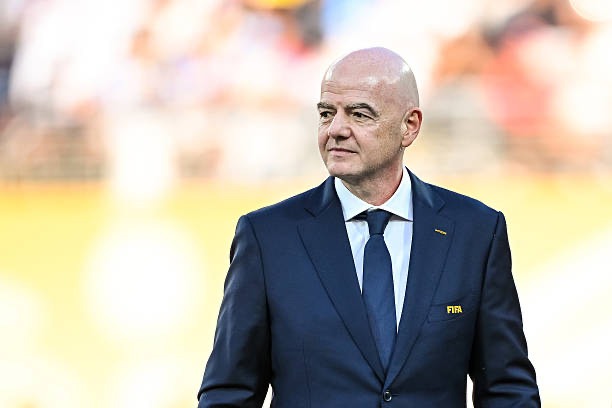
FIFA President Gianni Infantino wants to sell stakes in FIFA competitions, including the World Cup, to private investors
-
The proposal has sparked fierce backlash from UEFA, politicians, and football stakeholders, with critics warning it could permanently change the sport’s future.
-
With FIFA’s member nations set to vote in September, the decision could become one of the most consequential moments in football history.
July 29, (THEWILL) — Football’s biggest tournament could soon have private owners.
In one of the most controversial proposals ever put forward by FIFA, President Gianni Infantino is seeking approval to sell stakes in FIFA competitions including the FIFA World Cup to private investors linked to associates of U.S. President Donald Trump.
Infantino says the deal will unlock millions of dollars for every FIFA member nation and help develop football worldwide.

His critics, however, argue it risks turning the world’s most popular sport into a commercial asset controlled by powerful investors.
With FIFA’s 211 member associations preparing for a decisive vote, here are seven reasons why this proposal has become one of the biggest talking points in world football.
1. The World Cup Could Be Partly Sold to Private Investors
For the first time in history, FIFA is considering selling stakes in its flagship competitions.
That includes the World Cup the sport’s most prestigious and profitable event.
While FIFA would remain in control of the tournaments, private investors would gain a financial interest in their future revenues, fundamentally changing how football’s biggest competitions are financed.
2. Every FIFA Nation Has Been Promised Millions
Infantino’s biggest selling point is money.
Every FIFA member association has been promised $40 million, with an initial $20 million available once the proposal is approved.
For many smaller football nations, that represents funding they may not generate over several years, making the proposal difficult to reject despite the controversy surrounding it.
3. Infantino Appears to Have the Numbers to Win
Although opposition has been loud, the FIFA president remains in a powerful position.
Over the past decade, many countries across Africa, Asia, and the Americas have benefited from FIFA’s financial support and expanded competitions.
Those relationships have created a strong voting bloc that could provide the simple majority needed for the proposal to pass.
If that happens, one of football’s biggest financial transformations will become reality.
4. Donald Trump’s Circle Is Right at the Center of the Deal
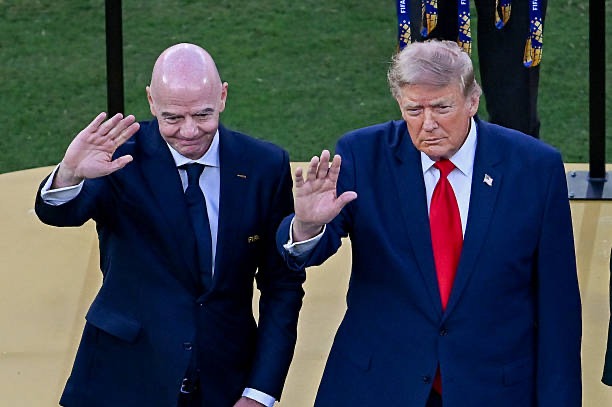
One of the proposal’s most controversial aspects is who FIFA is working with.
The investment discussions involve Thrive Capital, led by Josh Kushner, the brother-in-law of Ivanka Trump, while former Formula One executive Greg Maffei is serving as a key commercial adviser.
Infantino’s increasingly close relationship with Donald Trump has raised questions about whether politics is becoming too closely intertwined with football’s governance.
5. UEFA Is Preparing for a Major Fight
Europe’s football governing body has emerged as FIFA’s strongest opponent.
UEFA has accused FIFA of trying to enrich itself and its allies, while several European football associations are reportedly considering possible responses including discussions over whether stronger action could be taken if the proposal moves forward.
Although a World Cup boycott remains unlikely, tensions between football’s two most powerful governing bodies have reached a new high.
6. Critics Say the Plan Could Benefit Investors More Than Football
Supporters argue the deal will generate immediate cash for football development. Critics see something very different.
They believe private investors stand to make enormous profits as future World Cups become increasingly valuable, while FIFA would surrender part of the financial growth generated by its biggest competitions.
Others have questioned whether money distributed to national federations will actually reach grassroots football.
7. Infantino Could Become Even More Powerful
Perhaps the biggest consequence isn’t financial it’s political.
Approval of the proposal would further strengthen Infantino’s influence within FIFA after a decade of expanding competitions, increasing revenues, and consolidating support among member associations.
For many observers, this vote is about far more than investment. It’s about who controls football’s future.
The upcoming FIFA vote could become one of the defining moments in the history of the modern game.
Supporters see an opportunity to inject unprecedented funding into football and help smaller nations grow.
Opponents fear the World Cup could become another commercial asset, enriching investors while shifting the balance of power away from the sport itself.
Whatever the outcome, the decision expected in September will shape football for decades to come.
If FIFA’s members approve the proposal, Gianni Infantino may not only secure the biggest financial deal in the organization’s history, but he could also cement his legacy as the man who changed the business of football forever.

