
-
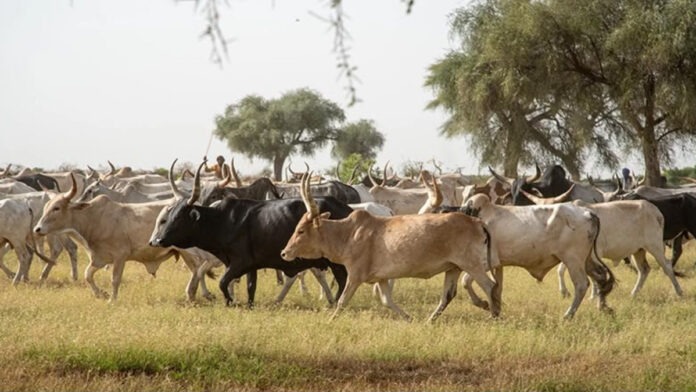
African governments, development partners and private investors are seeking to mobilise up to $3 billion over the next five years to commercialise the continent’s pastoral livestock industry.
-
The initiative aims to connect millions of pastoralists to formal markets, boost intra-African trade and unlock the sector’s vast but underutilised economic potential under the AfCFTA.
-
Despite owning a significant share of the world’s livestock population, Africa continues to lose billions annually because of weak market integration, poor infrastructure, and limited investment.
African governments, development partners and private investors have launched an ambitious initiative to mobilise up to $3 billion in investment over the next five years to transform the continent’s pastoral livestock industry into a major driver of trade, food security and economic growth.
The initiative was unveiled at the inaugural African Pastoral Markets Forum in Addis Ababa, Ethiopia, where policymakers, investors and development institutions called for greater investment in livestock value chains to unlock opportunities under the African Continental Free Trade Area (AfCFTA).
Speaking at the forum, the Director of the African Union Inter-African Bureau for Animal Resources (AU-IBAR), Dr. Huyam Salih, described pastoral livestock as one of Africa’s most valuable but least-commercialised economic assets.

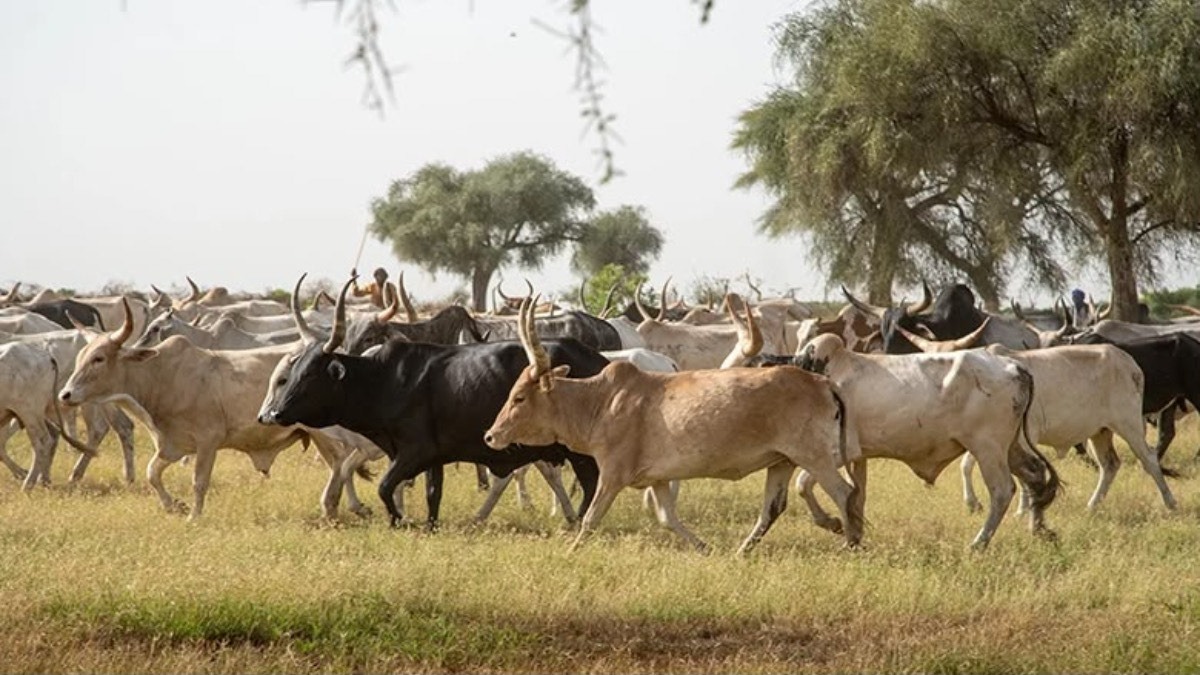
She said the continent possesses some of the world’s richest livestock resources, yet pastoral production systems remain largely disconnected from formal markets, investment capital and modern value chains.
According to Salih, pastoral systems already support millions of livelihoods while providing climate-resilient, low-input food production systems that can play a greater role in Africa’s economic development.
She urged governments, development finance institutions, and private investors to convert policy discussions into commercially viable investments capable of expanding livestock markets across the continent.
Investment Drive to Unlock Sector Growth
The Gates Foundation said Africa owns around 20 percent of the world’s cattle, 27 percent of its sheep, 32 percent of its goats, and more than 15 percent of global camel populations, yet captures only a fraction of the wealth generated from these resources.
The Foundation disclosed that it is working with AU-IBAR to help unlock up to $3 billion in investments over the next three to five years through policy reforms, improved market integration, and stronger data systems capable of attracting private capital.
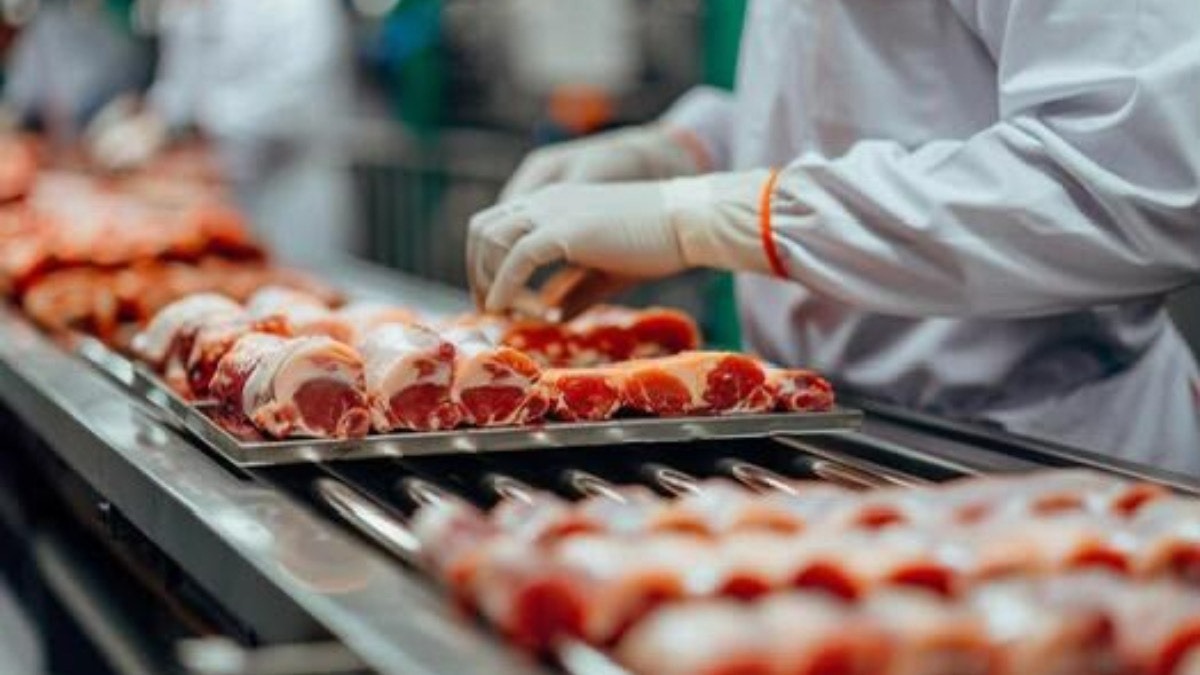
The initiative is expected to improve access to finance, expand livestock processing and strengthen regional value chains across Africa.
AU Pushes Market-Oriented Livestock Value Chains
The African Union said pastoralism supports the livelihoods of more than 300 million Africans but continues to face major challenges, including fragmented markets, inadequate infrastructure, insecurity, climate change and limited veterinary services.
These constraints, according to the AU, have prevented the continent from fully benefiting from its livestock resources, resulting in billions of dollars in lost export opportunities each year.
The continental body said its Agenda 2063 and the Kampala Comprehensive Africa Agriculture Development Programme (CAADP) seek to build integrated, climate-resilient and market-oriented livestock value chains capable of creating jobs, strengthening food security and expanding intra-African trade.

Ogochukwu Onwaeze is a writer specializing in business and economic journalism. At THEWILL News Media, she translates market trends, financial developments, and policy shifts into clear and engaging stories.
