
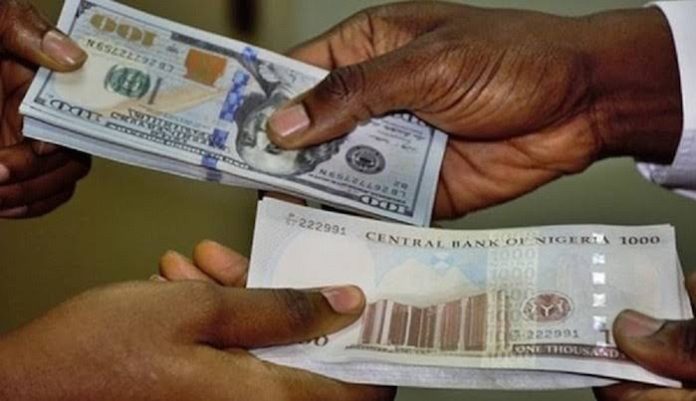
February 25, (THEWILL) — The Naira strengthened modestly in Nigeria’s parallel (black) foreign exchange market on Wednesday, following the Central Bank of Nigeria’s (CBN) decision to cut the Monetary Policy Rate (MPR) from 27 percent to 26.5 percent. The move marked the first reduction in the benchmark rate for 2026 and was aimed at easing borrowing costs while maintaining financial stability.
Data from street-level foreign exchange dealers showed the dollar traded at around ₦1,390 in the parallel market, up from approximately ₦1,400 the previous day. Analysts said this improvement reflected a modest increase in confidence in the local currency following the interest rate decision.
Despite gains in the black market, the official exchange rate remained largely steady, reflecting ongoing pressures in the formal FX market. Observers noted that while the official and parallel markets are not perfectly aligned, movements in the street market often indicate investor sentiment and liquidity conditions in the broader economy.

The naira’s black-market recovery comes after a period of weakness attributed to slower foreign exchange inflows and tight liquidity. Some analysts suggest that the MPR cut, combined with improved foreign reserves and better macroeconomic indicators, may gradually support a more stable naira in both official and parallel markets.
CBN Governor, Olayemi Cardoso, described the rate cut as a measured pivot toward monetary easing, aimed at sustaining economic growth while keeping inflation and financial stability in check. Policymakers emphasized that the decision would be supported by continued monitoring of FX liquidity and banking sector conditions.
Economists say that while a 50-basis-point cut is modest, it can still reinforce market confidence. “Even small adjustments in the MPR, when paired with stable foreign reserves and predictable policy, can influence expectations in the black market”, noted a Lagos-based financial analyst.
As Nigeria navigates the first months of 2026, traders and businesses will be watching closely to see if the naira’s gains in the parallel market are sustained and whether they translate into broader improvements in lending rates and import costs.

Ogochukwu Onwaeze is a writer specializing in business and economic journalism. At THEWILL News Media, she translates market trends, financial developments, and policy shifts into clear and engaging stories.
