

-
The Central Bank of Nigeria (CBN) has retained the Monetary Policy Rate (MPR) at 26.5 percent, extending its cautious monetary policy stance as inflation continues to moderate and foreign exchange market conditions improve.
-
The Monetary Policy Committee (MPC) also left all other policy parameters unchanged, citing renewed geopolitical tensions, persistent food inflation and the need to safeguard macroeconomic stability.
-
The decision keeps borrowing costs elevated for businesses and households while signalling the apex bank’s determination to consolidate recent gains in inflation and exchange rate stability ahead of its next policy meeting in September.
July 21, (THEWILL) — The Central Bank of Nigeria (CBN) has retained the Monetary Policy Rate (MPR), the country’s benchmark interest rate, at 26.5 percent as the Monetary Policy Committee (MPC) opted to maintain its tight monetary policy stance.
The decision was announced by the CBN Governor, Olayemi Cardoso, at the end of the Committee’s 306th meeting held in Abuja on July 20 and 21, 2026.
Cardoso said all 11 members of the Committee attended the two-day meeting, during which they reviewed recent domestic and global economic developments before unanimously deciding to leave the benchmark lending rate unchanged.

Nigeria’s headline inflation eased marginally to 15.91 percent in June 2026 from 15.93 percent recorded in May, signalling a modest moderation in overall price pressures. However, food inflation accelerated to 3.75 percent monthly in June from 2.98 percent in May, highlighting the continued pressure on food prices despite broader improvements.
The Governor said rising geopolitical tensions, particularly the renewed hostilities in the Middle East, had increased global uncertainty and reinforced the need for caution.
“Global uncertainties have heightened due mainly to the renewed hostilities in the Middle East.
“In view of the evolving developments, maintaining a cautious policy stance remains appropriate”, Cardoso said.
The Committee also retained all other monetary policy parameters, leaving the Cash Reserve Ratio (CRR) at 45 percent for Deposit Money Banks and 16 percent for Merchant Banks, while maintaining the Standing Facilities Corridor at +50/-450 basis points around the MPR. The CRR on non-Treasury Single Account (TSA) public sector deposits was also retained at 75 percent.
What the Decision Means
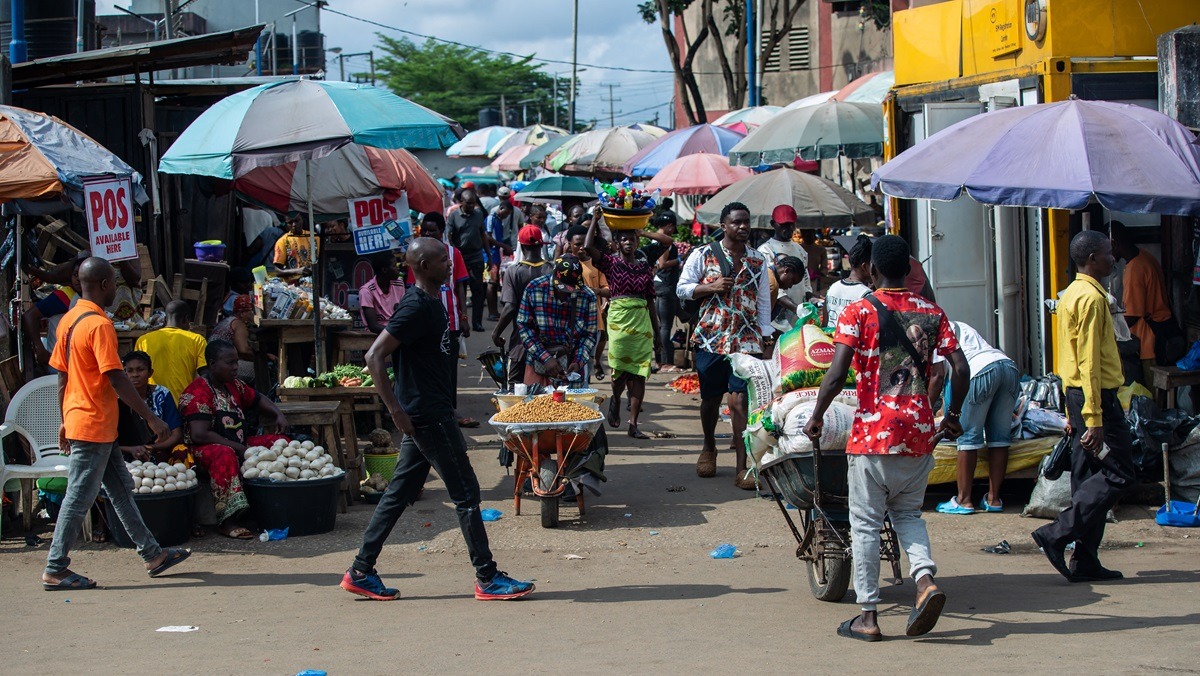
The Monetary Policy Rate serves as the benchmark interest rate used by the CBN to influence borrowing costs, liquidity conditions, inflation and overall macroeconomic stability.
By leaving the benchmark rate unchanged, the apex bank keeps borrowing costs elevated across the economy. While tighter monetary conditions are intended to contain inflation, support exchange rate stability and anchor investor confidence, they also increase financing costs for businesses and households.
Nigeria’s organised private sector has repeatedly expressed concerns over high interest rates, arguing that elevated borrowing costs continue to constrain investment, business expansion and job creation.
The MPC’s latest decision therefore leaves monetary conditions unchanged as policymakers continue to monitor inflation trends, exchange rate developments and broader domestic and global economic conditions before considering any further policy adjustments.
From Aggressive Tightening to a Policy Pause
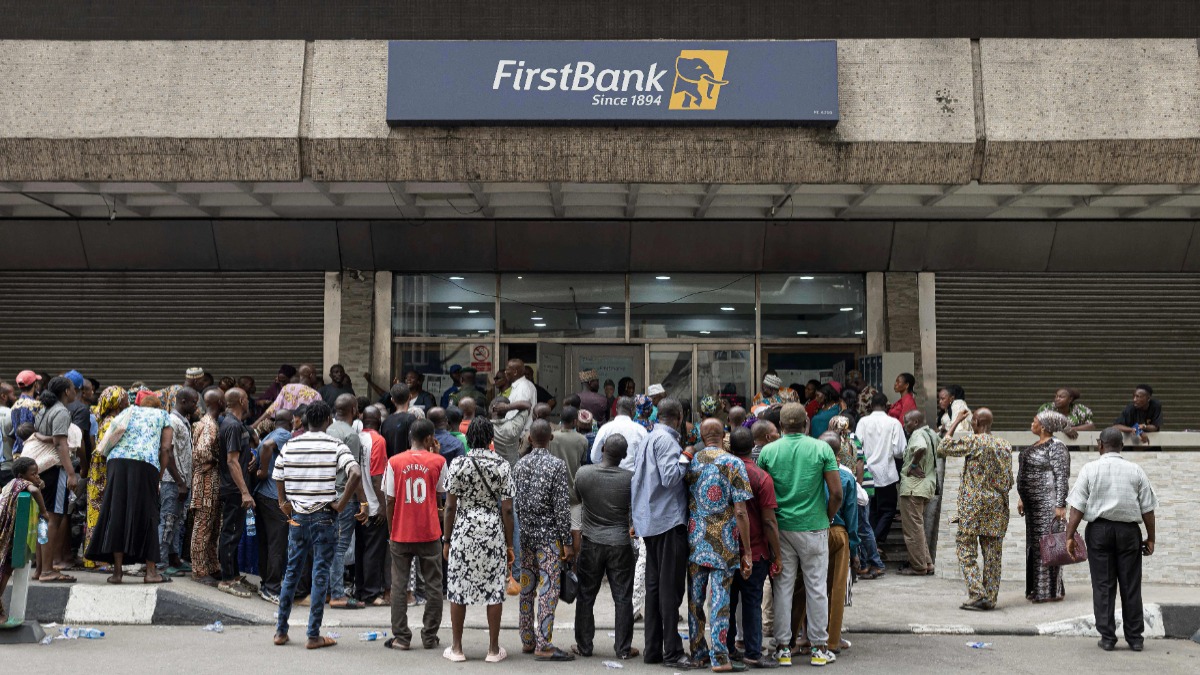
Following his appointment in 2023, the CBN embarked on a series of monetary reforms alongside broader government economic policies aimed at addressing inflation, restoring confidence in the foreign exchange market and improving macroeconomic stability.
The most significant phase of tightening occurred in 2024, when the MPC raised the benchmark interest rate six consecutive times, taking the MPR from 18.75 percent to 27.50 percent by November 2024 before beginning a gradual easing cycle in late 2025 and into 2026.
The latest decision suggests the Committee is adopting a wait-and-see approach, preferring to assess the impact of earlier policy measures while monitoring inflation, external risks and financial market developments.
The next meeting of the Monetary Policy Committee is scheduled for September 21 and 22, 2026, when policymakers are expected to reassess domestic economic conditions and the evolving global outlook before taking their next monetary policy decision.

Ogochukwu Onwaeze is a writer specializing in business and economic journalism. At THEWILL News Media, she translates market trends, financial developments, and policy shifts into clear and engaging stories.
