
-
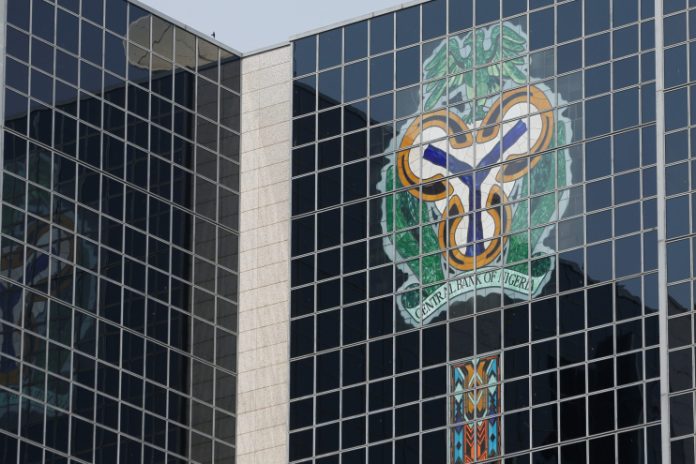
The Central Bank of Nigeria has introduced the FX BDC Purchase Tracker (FXBT), enabling real-time monitoring of Bureau De Change foreign exchange purchases and transactions across the official market.
-
Licensed BDC operators must now resell any unused foreign exchange purchased from the Nigerian Foreign Exchange Market within 24 hours after the approved utilisation period expires.
-
The new framework strengthens compliance, curbs speculative trading, and reinforces transparency as the CBN deepens reforms in Nigeria’s retail foreign exchange market.
July 16, (THEWILL) — The Central Bank of Nigeria (CBN) has unveiled a new electronic monitoring platform for Bureau De Change (BDC) operators, tightening oversight of Nigeria’s retail foreign exchange market and introducing stricter rules governing the use of official foreign exchange allocations.
The apex bank announced the launch of the FX BDC Purchase Tracker (FXBT) alongside fresh operational guidelines requiring licensed BDCs to resell any unused foreign exchange purchased from the Nigerian Foreign Exchange Market (NFEM) within 24 hours after the expiry of the approved utilisation period.
The framework provides the operational roadmap for implementing the CBN’s February 10, 2026 policy that restored licensed BDCs’ access to the official foreign exchange market after years of exclusion.

New FX Tracker Strengthens Market Oversight
According to the CBN, the FXBT platform will serve as a centralised electronic portal through which all licensed BDCs must register and submit real-time or same-day information on their foreign exchange purchases.
The regulator said the platform is designed to improve transparency, enhance regulatory oversight, and ensure stricter compliance across the retail foreign exchange market.
Under the new framework, authorised dealer banks are prohibited from imposing exclusivity arrangements, referral fees or other conditions that limit a BDC’s ability to choose its preferred banking counterparty.
The guidance also introduces tougher compliance requirements for both banks and BDC operators, including comprehensive Know-Your-Customer (KYC) and customer due diligence checks covering operating licences, Corporate Affairs Commission registration, Tax Identification Number, beneficial ownership information, and details of principal officers.
The CBN warned that violations could attract monetary penalties, suspension from the Nigerian Foreign Exchange Market, withdrawal of BDC licences, revocation of authorised dealer status for banks involved in breaches and, where necessary, referral to law enforcement agencies.

Unused Dollars Must Return to the Market
One of the most significant changes introduced by the framework is the requirement that any foreign exchange purchased but not utilised within the approved timeframe must be resold into the Nigerian Foreign Exchange Market within 24 hours.
The directive is expected to discourage speculative demand and prevent operators from holding on to foreign currency in anticipation of future exchange rate movements.
Licensed BDCs will continue to purchase up to $150,000 weekly from authorised dealer banks for eligible invisible transactions, including Personal Travel Allowance (PTA), Business Travel Allowance (BTA), overseas school fees and medical expenses.
Operators are also required to sell foreign exchange to end-users at a margin not exceeding 1 percent above their purchase price while maintaining detailed records for regulatory inspection.
The CBN said the tracker will also monitor weekly purchase limits across multiple authorised dealer banks, making it more difficult for operators to exceed approved allocations through multiple banking relationships.
Why the New Rules Matter
The latest framework marks another step in the CBN’s broader reforms aimed at formalising Nigeria’s retail foreign exchange market and improving market discipline.
By introducing end-to-end monitoring of BDC transactions, settlement accounts and reporting obligations, the apex bank is seeking to improve transparency while reducing opportunities for round-tripping and other market abuses.
The reforms also come at a time when the gap between the official and parallel market exchange rates has narrowed considerably, reflecting improved liquidity and relative stability in the foreign exchange market.
With more than 1,700 licensed Bureau De Change operators across the country, the new operational framework is expected to strengthen confidence in the retail forex segment while ensuring official foreign exchange allocations are used strictly for approved transactions.
The CBN believes the combination of digital transaction monitoring, tighter compliance standards, and faster recycling of unused foreign exchange will support a more transparent, efficient, and stable foreign exchange market.

Ogochukwu Onwaeze is a writer specializing in business and economic journalism. At THEWILL News Media, she translates market trends, financial developments, and policy shifts into clear and engaging stories.
