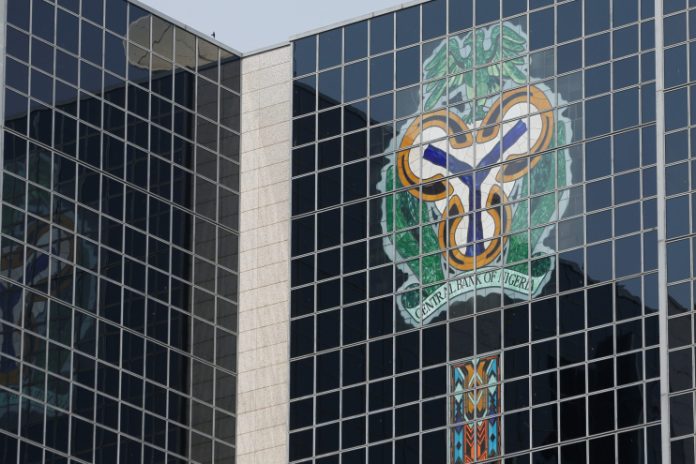
February 18, (THEWILL) – The Central Bank of Nigeria (CBN) has opposed plans by the senate to enact new anti-money laundering laws without required amendments on the existing Money Laundering (Prevention) Act 2011.
Similarly, the Economic and Financial Crimes Commission (EFCC) and the Attorney General of the Federation (AGF), Abubakar Malami (SAN) also disagreed on the proposed establishment of proceeds of crimes commission.
Divergent positions of agencies of government on proposed legislations by the senate came to the fore during the public hearing by the senate joint committees on Anti-Corruption and Financial Crimes, Judiciary, Human Rights and Legal Matters as well as Ethics, Privileges and Public Petitions on three different anti-corruption bills.

The proposed bills are (i) Money Laundering (Prevention and Prohibition) 2021, (ii) Public Complaints Commission (Repeal and Re – enactment) Bill 2022 and (iii) Proceeds of Crimes (Recovery and Management) Bill 2021.
In his submission on the legislative proposals, CBN Governor Godwin Emefiele said an amendment of the existing Money Laundering (Prevention) Act 2011 would better serve the interest of Nigeria than a repeal and re-enactment.
Emefiele, who was represented by a director in the apex bank, Chibuzor Anthony Efobi, said: “Where the existing Money Laundering (Prevention) Act 2011 is repealed and re-enacted, there would be new legal foundations which have not been assessed against the FATF standards.”
This, according to him, opens the likelihood that the new law would be deficient in other areas not limited to the deficiencies identified in the Mutual Evaluation Report.
“Additionally, the new law will have to be completely reviewed by the FATF and GIABA for compliance with FATF (Financial Action Task Force (FATF) recommendations.
“There will be a risk that the international assessment identifies new gaps which would lead to rating downgrades.
“Consequently, the CBN is opposed to the passage of the proposed bills for the repeal and re – enactment of the existing Money Laundering (Prevention) Act 2011.
“We have attached a copy of a proposed amendment to the 2011 Act for your consideration and necessary action,” he stressed.
For clarity, the Inter-Governmental Action Group Against Money Laundering in West Africa (GIABA) is a specialised institution of the Economic Community of West African States (ECOWAS) responsible for facilitating the adoption and implementation of Anti-Money Laundering (AML) and Counter-Financing of Terrorism (CFT) in West Africa.
On the proposed establishment of commission for management of proceeds of crimes being sought for by the third bill, Secretary of EFCC, George Ekpungu kicked against it while Deputy Director Legal Drafting from the Office of AGF, Godwin Iheabunike supported the proposal.
Opposing the proposal, the EFCC secretary said it would amount to duplication of functions between the proposed commission and the agency, while the AGF submitted that the commission was very necessary to tackle the new crime.
Earlier in his remarks, chairman of the joint committee, Senator Suleiman Abdu Kwari (APC Kaduna North), said the proposed legislations were aimed at strengthening the fight against corruption in the country.