February 25, (THEWILL) – Nigerians will this Saturday, go to the polls to elect their next president, marking the end of a draining election campaign.
The main candidates have spent five months crisscrossing Africa’s largest democracy as voters prepare to elect a replacement for President Muhammadu Buhari, who is standing down after eight years in power.
A total of 18 candidates are formally running, although only three stand a realistic chance of winning what is expected to be the closest presidential vote in Nigeria’s democratic era.

Former Lagos Governor, Bola Ahmed Tinubu of the ruling All Progressives Congress (APC), and Atiku Abubakar, a former vice-president making his sixth run for the job, from the Peoples Democratic Party (PDP), have hopes of victory.
So also does Peter Obi, a businessman and former Anambra State Governor, whose underdog campaign in the upstart Labour Party (LP) has galvanised voters disillusioned by Nigeria’s two major parties.
Pre-election polls have predicted a win for Obi in a high-turnout vote, but the large number of people, who prefer not to share their voting intentions with pollsters, have made analysts wary of reading too much into surveys.
A win for Obi, 61, whose campaign focusing on frugality and accountability has attracted a following among disaffected urban youth in the country’s south, would be a huge political shock in a country that since 1999, has only elected presidents from the two big parties.
To win the presidency a candidate must secure the most votes and cross the constitutional threshold of obtaining at least 25 per cent of the ballots cast in at least two-thirds of Nigeria’s 36 states and the capital city, Abuja. If no candidate clears that bar, there would be a run-off vote for the first time in the country’s history.
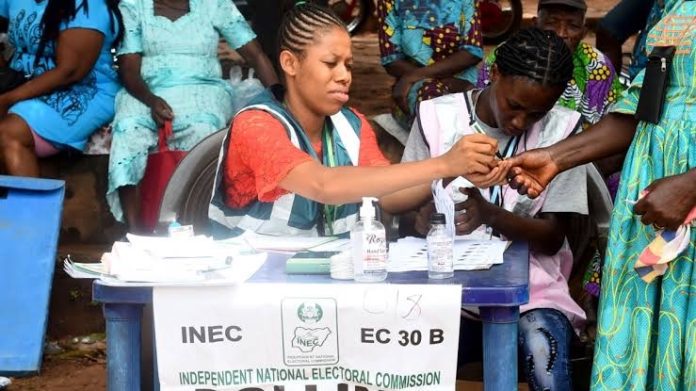
Previous Nigerian elections have been plagued by low turnout; a little over a third of eligible voters cast ballots in 2019. But in the 2023 elections, 87.2 million eligible Nigerians will file out to decide Nigeria’s next president.
Rampant insecurity, public sector corruption and the parlous state of an economy crippled by rising prices and high unemployment are among the biggest concerns for voters. The proposed removal of petrol subsidies that cost the country more than $10bn last year is another big issue.
Also, voters will this Saturday, choose 109 senators and 360 members for the lower house of representatives.