-
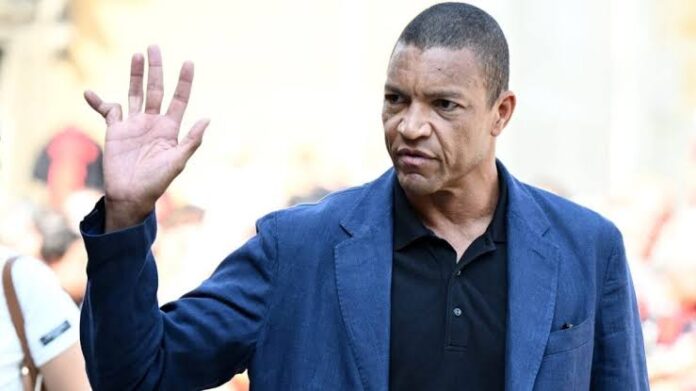
A solemn farewell to AC Milan legend Franco Baresi unexpectedly turned into a global talking point after fans noticed Dida’s unusually bent finger.
-
The injury is not linked to a single accident but is believed to be the cumulative result of years of goalkeeping at the highest level.
-
Medical experts say such hand injuries are common among goalkeepers, highlighting the hidden physical sacrifices behind some of football’s greatest careers.
-
A Funeral That Sparked an Unexpected Conversation
August 06, (THEWILL) — When football legends gathered in Milan this week to bid farewell to AC Milan icon Franco Baresi, the focus was expected to remain firmly on one of the greatest defenders in the history of the game. Instead, a single photograph of former Brazil goalkeeper Dida unexpectedly became one of the most talked-about images from the emotional ceremony.
As Dida acknowledged mourners and photographers outside the Basilica di Sant’Ambrogio, eagle-eyed fans noticed something unusual about his right hand. His little finger appeared permanently bent at an almost right angle, prompting thousands of questions across social media. Within hours, the image had gone viral, with many wondering whether the former AC Milan goalkeeper had recently suffered an injury or was living with an undisclosed medical condition.
The answer, however, has nothing to do with recent events. Instead, it tells the remarkable story of a goalkeeper whose body still bears the scars of one of football’s finest careers.

Paying Tribute to a Milan Legend
The funeral itself brought together some of the biggest names ever associated with AC Milan. Paolo Maldini, Marco van Basten, Clarence Seedorf, Alessandro Costacurta and Roberto Baggio were among those who attended to pay their final respects to Baresi, whose influence at the club stretched far beyond his legendary playing career. The gathering was intended to celebrate a football icon whose leadership helped define one of the greatest eras in Milan’s history.
Speaking after the service, Dida reflected on the loss with visible emotion.
READ ALSO: Juve, Italy Legend Bonucci Announces Retirement Plan
“It’s a truly sad day. We know what kind of man and player he was. I’m here to say my final goodbye. He was a great footballer, a great man and a great father.”
While those heartfelt words captured the significance of the occasion, the photograph of his hand quickly shifted public attention elsewhere.
The Truth Behind the Bent Finger
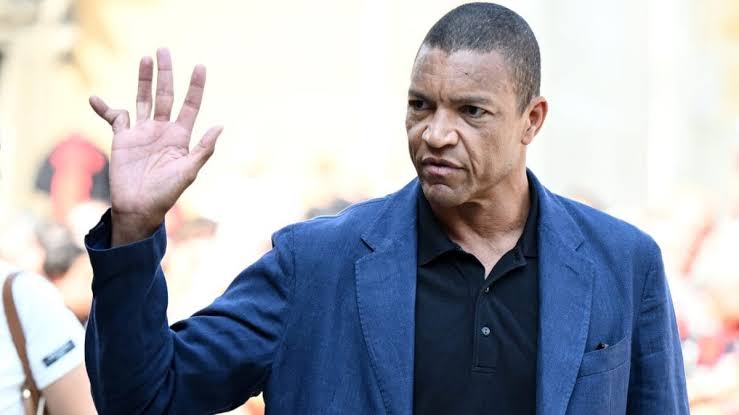
What appeared unusual to many supporters is actually a well-known condition among goalkeepers. Italian reports identified the deformity as mallet finger, an injury that occurs when the tendon responsible for straightening the fingertip is torn or severely damaged. Once injured, the fingertip can remain permanently bent if the tendon fails to heal properly.
In goalkeeping, the condition is particularly common because fingers regularly absorb the full force of shots travelling at high speed. Unlike a broken bone that heals over time, tendon injuries often leave permanent deformities, especially when repeated throughout a long career.
There is no documented single incident that caused Dida’s finger to bend in this way. Instead, medical reports suggest it is the accumulated effect of countless saves made over decades of elite football, each powerful strike placing enormous stress on the small joints and tendons of the hand.
A Career Written in Saves and Sacrifice
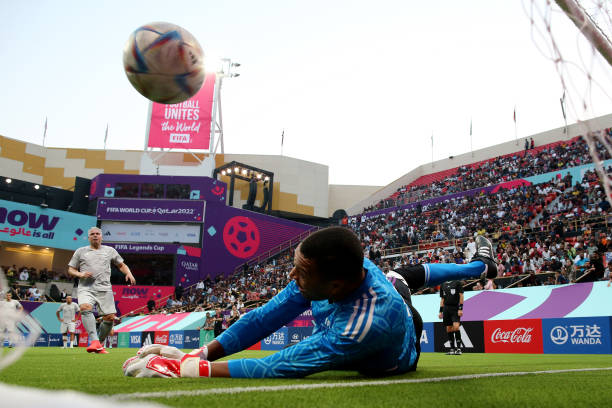
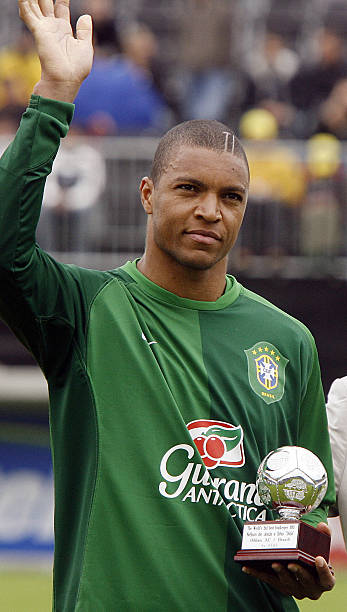
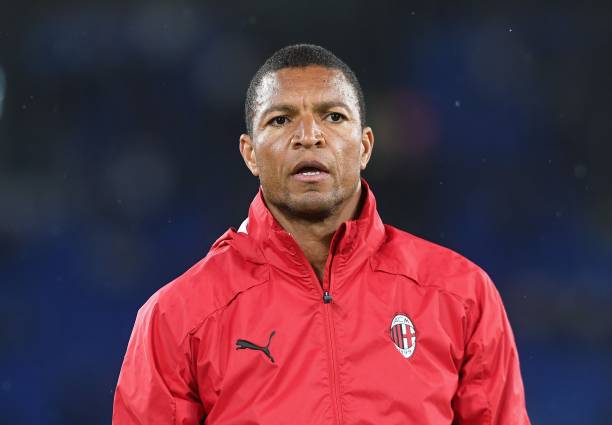
In many ways, Dida’s hand has become a physical reminder of the extraordinary career he enjoyed. During nine seasons with AC Milan, the Brazilian established himself as one of the finest goalkeepers of his generation, making 302 official appearances for the Italian giants.
He played a central role in one of the club’s most successful periods, winning two UEFA Champions League titles, domestic league honours and numerous other trophies while earning a reputation for remarkable composure in the biggest matches.
His achievements also extended to the international stage with Brazil, where he represented his country during one of its strongest footballing eras. Throughout those years, every diving save, fingertip stop and instinctive reaction placed tremendous strain on his hands, an occupational hazard rarely noticed until long after retirement.
Not an Isolated Case Among Goalkeepers
Dida is far from the only goalkeeper to carry such lasting reminders of his profession. Former England international Rob Green has publicly spoken about his own severely damaged little finger after spending two decades between the posts. The injury eventually became so pronounced that he required specially customised gloves with two fingers stitched together to allow him to continue playing comfortably.
Stories like Green’s illustrate that permanent finger deformities are not freak accidents but recognised consequences of life as a professional goalkeeper.
READ ALSO: AC Milan And Italy Legend Franco Baresi Dies At 66
Medical research reinforces that reality. A study published in the American Journal of Sports Medicine found that goalkeepers suffer hand and wrist injuries at a rate approximately seven times higher than outfield players. The difference is even more pronounced during training sessions, where goalkeepers repeatedly face hundreds of powerful shots every week. Over time, those repeated impacts can leave permanent damage even after careers have ended.
The Hidden Price of Greatness
That is why the viral image of Dida’s hand resonated with so many football supporters. What initially appeared to be an unusual physical feature soon became a symbol of the hidden sacrifices demanded by one of football’s most unforgiving positions. Goalkeepers are celebrated for spectacular saves and decisive performances, but the long-term physical cost of those moments often remains unseen.
Ironically, on a day dedicated to remembering Franco Baresi’s extraordinary legacy, another football story quietly emerged. Dida never intended his hand to become a talking point, yet it served as a powerful reminder that the game’s greatest servants leave behind more than medals, trophies and memories. They also carry lifelong physical reminders of every save, every dive and every sacrifice made in pursuit of excellence.
Long after the applause fades and the stadium lights go out, those scars remain. In Dida’s case, one bent finger has become an enduring testament to an exceptional career spent protecting the goal at the very highest level.