November 18, (THEWILL) – The World Bank says the price increases that occurred between June 2020 and June 2021 could push about six million Nigerians into abject poverty.
This was disclosed by the Bank in a new report titled: ‘Covid-19 in Nigeria: Frontline Data and Pathways for Policy”.
Using the Nigeria COVID-19 National Longitudinal Phone Survey (NLPS), the report examined the impact of the COVID-19 crisis on human capital, livelihoods, and welfare of Nigerian households.

The NLPS represents a successful collaboration between Nigeria’s National Bureau of Statistics (NBS) and the data production and methods team at the World Bank.
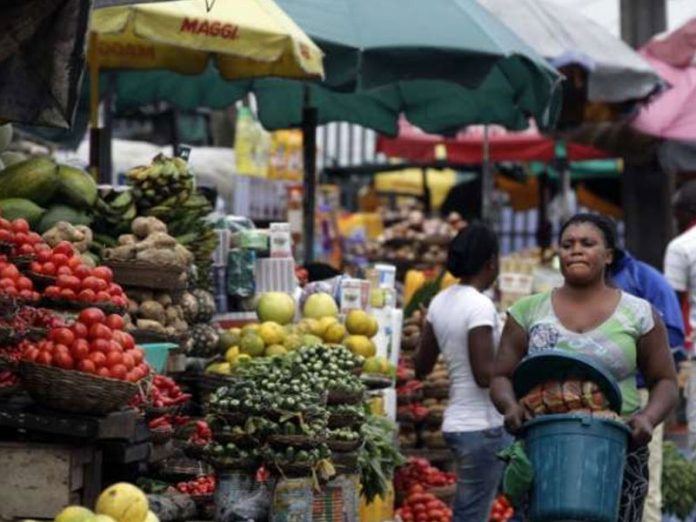
The World Bank stated that the COVID-19 pandemic has brought Nigerian households’ food security under threat.
“The rise in prices witnessed between June 2020 and June 2021 alone could push another six million Nigerians into poverty, with urban areas being disproportionately affected. This underscores the need for short-term policies to support welfare.
“The simple simulations suggest that the share of Nigerians living below the national poverty line could have increased from 40.1 percent to 42.8 percent due to the food price inflation witnessed between June 2020 and June 2021.
“This means about 5.6 million additional Nigerians would be living in poverty. While food price inflation would decrease purchasing power and raise poverty across Nigeria, it appears that urban areas could be disproportionately affected.
“In 2018/19, about 16 percent of poor Nigerians were urban dwellers. Yet among those who would be newly impoverished by the increase in food prices between June 2020 and June 2021, around 27 percent would be from urban areas.
“Nevertheless, poverty in Nigeria is set to remain a primarily rural phenomenon, with or without rising food prices.”
“Immediate policy action is needed to curb the long-run impacts of the Covid-19 crisis on the lives and livelihoods of Nigerian households”, the report read in part.
The report, however, contradicted the latest inflation report released earlier in the week by the National Bureau of Statistics, (NBS), which indicated that Nigeria’s inflation rate moderated for the seventh consecutive month to 15.99% YoY in October from 16.63% recorded in September 2021, while food inflation, the major driver of the headline inflation, dropped to 18.34% YoY in October from 19.57% recorded in September 2021.
Furthermore, poorer Nigerians were more willing to get COVID-19 vaccination unlike richer Nigerians, which further showed that the poor were more concerned about contracting the virus.
It also revealed that some Nigerians lacked access to soap and water to maintain good hygiene during the pandemic; adding that there has been low coverage of social protection programmes crisis in Nigeria,
Just 4% of households had received support from social safety net programmes in the form of direct cash transfers from federal, state, or local governments between March 2020 and March 2021.
It stated that the economic and health effects of the pandemic would be felt far into the future, further noting that in countries like Nigeria, the pandemic continues to affect health outcomes, human-capital accumulation, household poverty and coping strategies, and labour-market dynamics.