
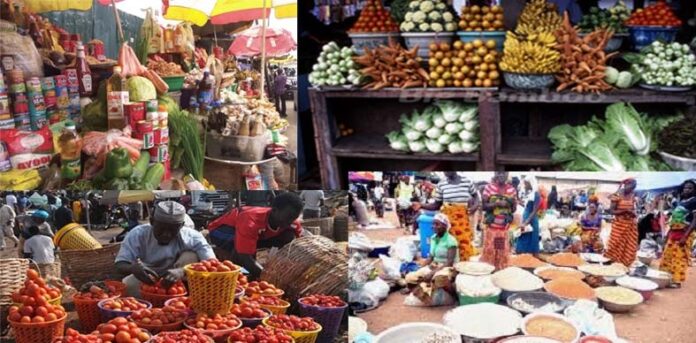
July 2 (THEWILL) — Food prices across major Lagos markets posted mixed movements in June, with higher prices for fresh produce offset by declines in several household staples as supply conditions gradually improved.
The latest Nairametrics Food Price Watch, which tracked 66 staple items across Mushin, Daleko, Mile 12 and Oyingbo markets, showed that 26 items recorded price increases during the month, while 17 declined and 23 remained unchanged, suggesting that prices are beginning to stabilise after months of volatility.
Fresh food items recorded the sharpest increases, driven largely by seasonal supply constraints and higher logistics costs.

Titus (mackerel) fish led the gains, with its price surging 92.9 percent from ₦7,000 in May to ₦13,500 per kilogram in June. Traders attributed the increase to reduced imports, rising cold-chain costs and sustained consumer demand.
Tomatoes also became significantly more expensive. A big basket of round tomatoes rose from ₦60,000 to ₦90,000, while oval tomatoes climbed from ₦38,000 to ₦55,000. Sweet potatoes increased from ₦24,000 to ₦35,000 per basket, while medium and large bags of pepper rose to ₦100,000 and ₦125,000, respectively.
Soup ingredients also trended higher. Egusi gained 12.5 percent to ₦360,000 per big bag, while ogbono increased slightly to ₦310,000. Prices of packaged food products, including semovita, wheat flour, cooking oil, eggs, and breakfast beverages, also edged higher as manufacturers continued to contend with elevated production costs.
Some household staples, however, became more affordable.
Turkey recorded one of the steepest declines, falling 13 percent to ₦87,000 per carton. Yellow garri dropped 12 percent to ₦22,000 per 50kg bag, while prices of selected rice brands eased modestly. Dry onions also declined as fresh supplies entered Lagos markets.
Cooking gas prices continued their recent downward trend, with a 12.5kg refill falling to ₦25,000 and a 5kg refill dropping to ₦10,000. Several vegetable oil brands also recorded lower prices.
According to the National Bureau of Statistics, Nigeria’s food inflation eased to 16.96 percent in May 2026 despite headline inflation edging higher. Improved harvests, increased market arrivals and relatively stable transport costs helped moderate food price pressures, although Lagos continues to experience wider price swings because of its reliance on supplies from other parts of the country.

Ogochukwu Onwaeze is a writer specializing in business and economic journalism. At THEWILL News Media, she translates market trends, financial developments, and policy shifts into clear and engaging stories.
