
-
The National Economic Council has approved a $4.5bn refinancing of the Project Gazelle oil-backed loan, replacing the 2023 $3.3bn facility.
-
The refinancing will unlock about $3bn in fresh liquidity while reducing the volume of crude pledged as collateral by 12.5 percent.
-
Finance Minister Taiwo Oyedele said the deal will strengthen external reserves, improve government finances and free up more crude for federation revenues.
August 4, (THEWILL) — The National Economic Council (NEC) has approved the refinancing of the $3.3bn Project Gazelle Pre-Export Finance Facility through a new $4.5bn Project Gazelle 2 arrangement.
The move is expected to unlock $3bn in fresh liquidity while reducing Nigeria’s crude oil commitments under the facility.
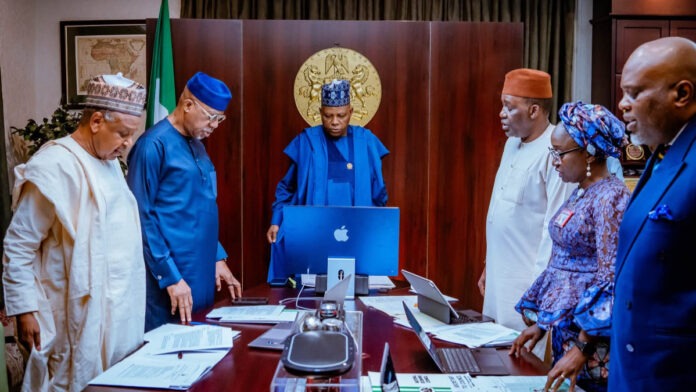
The approval was granted at the 159th NEC meeting, held virtually on Monday and chaired by Vice President Kashim Shettima, following a presentation by the Minister of Finance and Coordinating Minister of the Economy, Taiwo Oyedele.

According to a statement by the Senior Special Assistant to the President on Media and Communications in the Office of the Vice President, Stanley Nkwocha, the new arrangement will enable the Nigerian National Petroleum Company Limited (NNPC Ltd.) to refinance the outstanding balance of about $1.5bn under the original 2023 facility while providing additional funding to strengthen Nigeria’s external reserves and support key fiscal and infrastructure programmes.
Crude oil pledge reduced
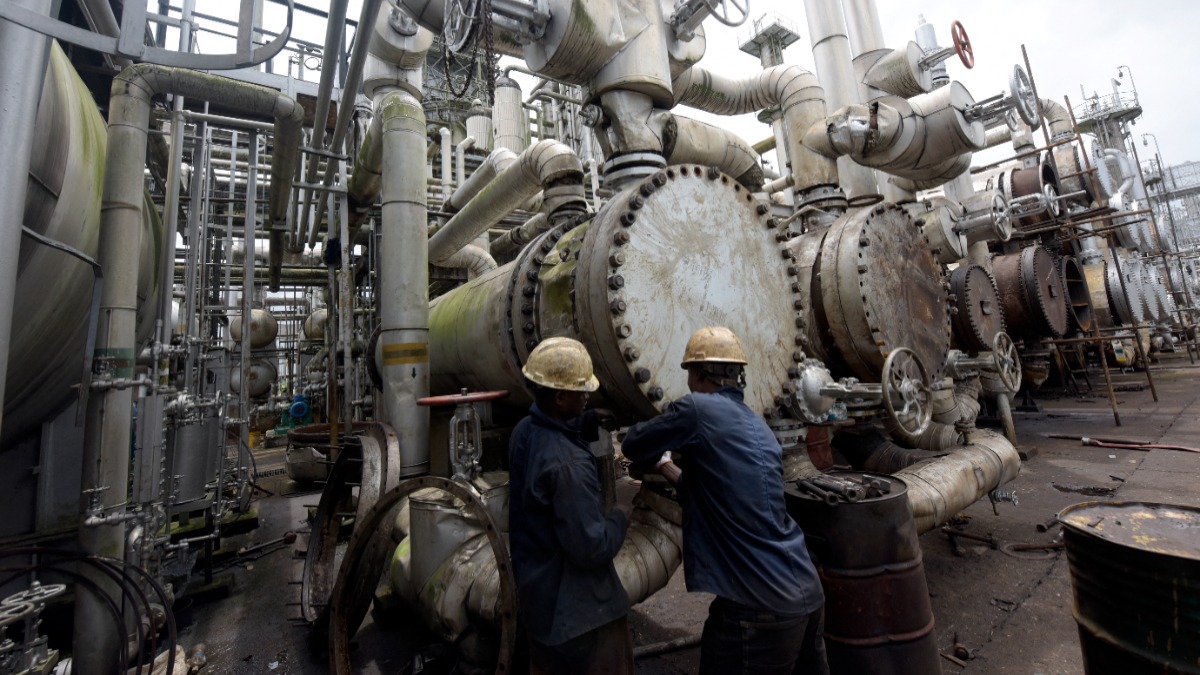
“The refinancing has been structured on more favourable terms than the original facility, including a reduction in the volume of pledged crude oil from 90,000 barrels per day to approximately 78,750 barrels per day, representing a 12.5 percent reduction,” he said.
He explained that the lower crude commitment would release an additional 11,250 barrels per day for the federation, allowing the government to earn more revenue from crude sales outside the financing arrangement.
According to the minister, the refinancing delivers improved liquidity while strengthening Nigeria’s financing structure.
“While accessing additional liquidity on improved terms, the arrangement is freeing up resources for strategic national priorities while strengthening the country’s financing structures,” he added.
Shettima pushes stronger social protection
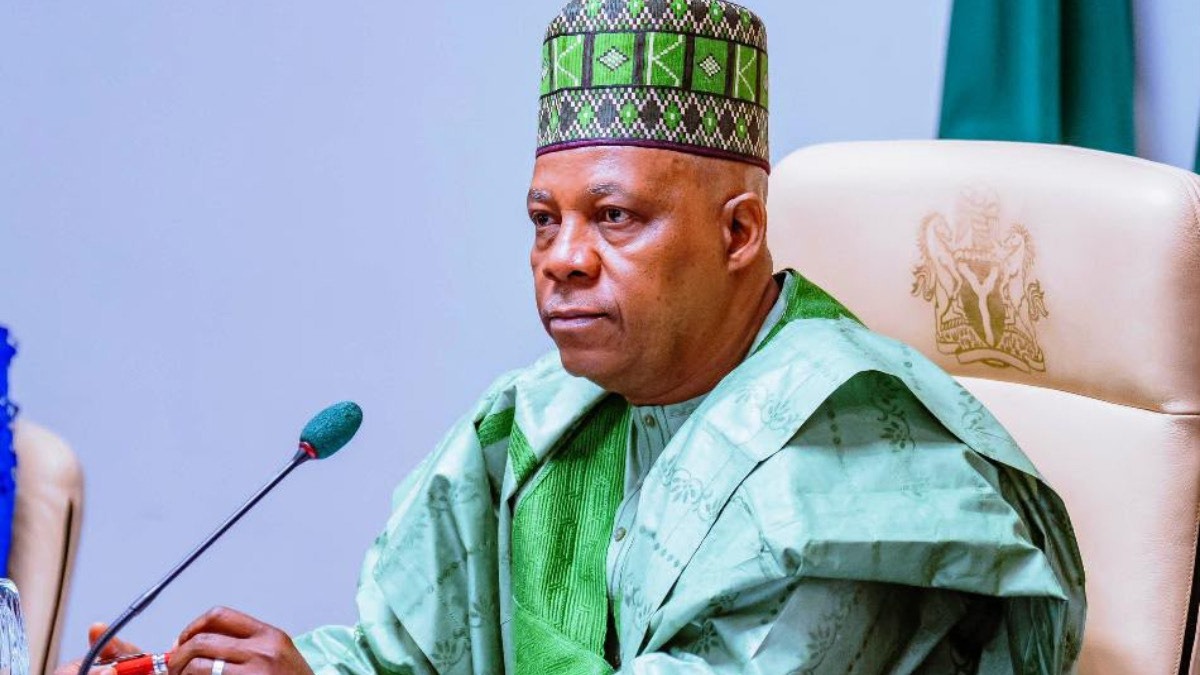
In his remarks, Vice President Shettima urged members of the Council to design a responsive, data-driven social protection framework capable of addressing multidimensional poverty across the country.
He said government policies are ultimately measured by their impact on citizens’ daily lives, including food prices, healthcare, education and employment opportunities.
“Every decision we make must assure the citizens that their government is paying attention to the pulse of the nation and is resolved to respond with competence, compassion and purpose,” the Vice President said.
Project Gazelle was introduced in 2023 as a crude oil-backed pre-export financing facility to provide Nigeria with dollar liquidity following the foreign exchange reforms that accompanied the unification of the exchange-rate windows.
The new Project Gazelle 2 facility restructures the existing loan on improved terms while increasing available funding, reflecting what officials described as NNPC Ltd.’s stronger negotiating position following reforms aimed at boosting crude production and attracting investment into the oil sector.

Ogochukwu Onwaeze is a writer specializing in business and economic journalism. At THEWILL News Media, she translates market trends, financial developments, and policy shifts into clear and engaging stories.
