
-
Nigeria has attracted nearly $2 billion in renewable energy investments over the past two years, but the REA says the country must convert the inflows into local manufacturing, skilled jobs and industrial growth.
-
The Agency warned that expanding electricity access alone will not deliver sustainable economic benefits unless renewable energy projects are designed to support productive sectors and build domestic supply chains.
-
REA also identified weak project preparation and financing as major barriers to scaling clean energy projects, urging coordinated reforms to unlock more private capital and accelerate Nigeria’s energy transition.
July 27, (THEWILL) — Nigeria has attracted nearly $2 billion in renewable energy investments over the past two years, but the Rural Electrification Agency (REA) has warned that the country risks missing the broader economic benefits unless the inflows translate into local manufacturing, skilled jobs and industrial development.
The Agency said while renewable energy investments have accelerated access to electricity and reduced dependence on diesel-powered generation, Nigeria must now shift its focus towards building domestic capacity across the clean energy value chain rather than relying heavily on imported technologies.

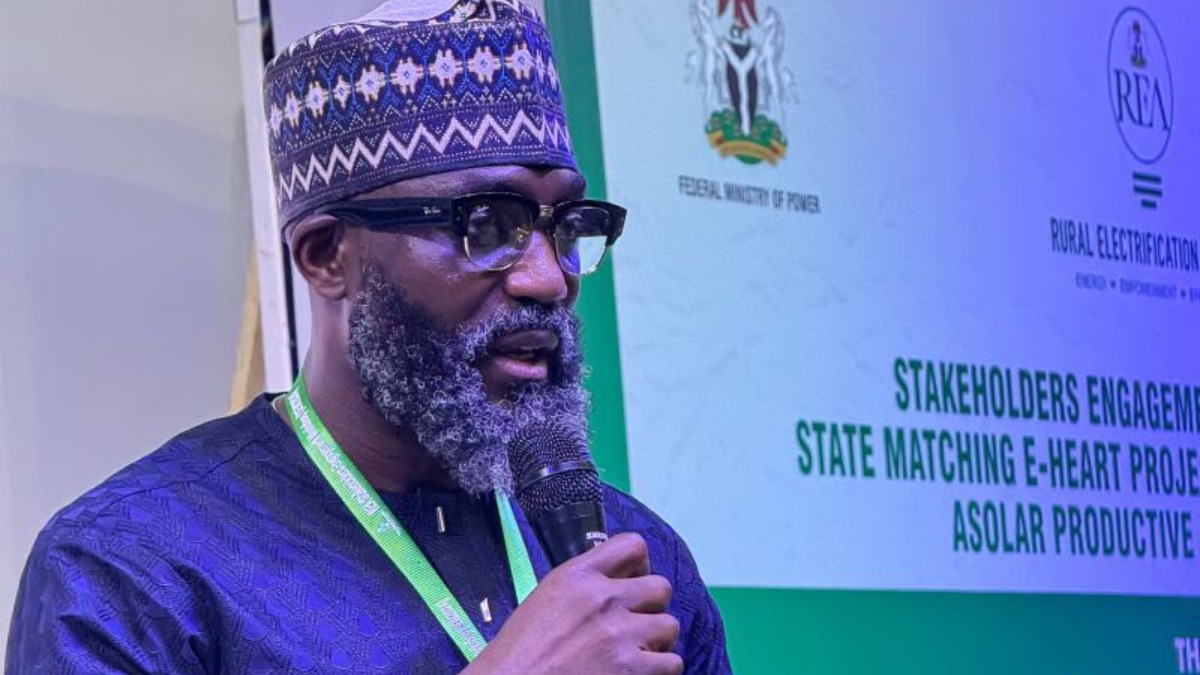
Delivering a keynote address on behalf of the Managing Director of REA, Abba Aliyu, the Agency’s Executive Director, Corporate Services, Gboyega Ayoade, said Nigeria’s decarbonisation agenda should catalyse industrial transformation, economic competitiveness and job creation.

REA seeks industrial value from clean energy
According to the Agency, renewable energy projects should no longer be assessed solely by the number of communities connected to electricity, but by their ability to stimulate local industries, create employment and develop technical expertise.
“We cannot continue investing heavily in renewable energy while relying on expatriates to install and maintain systems that Nigerians themselves should be fully capable of managing”, the REA representative said.
The Agency argued that the sector should become a platform for local assembly, manufacturing, installation, maintenance, recycling and technology transfer, particularly as the country seeks to tackle rising youth unemployment.
Citing data from the International Renewable Energy Agency (IRENA), REA noted that about 2.7 million renewable energy jobs were created globally in recent years, with China accounting for nearly half of those positions, while Nigeria has captured only a small share despite rising investment in the sector.
Electricity access must drive economic growth
The Agency said renewable energy has become a practical solution to Nigeria’s electricity deficit through flagship programmes such as the Nigeria Electrification Project (NEP), the Distributed Access through Renewable Energy Scale-up (DARES) Programme, the Energising Education Programme (EEP) and the National Public Sector Solarisation Initiative.
Under the Energising Education Programme, captive renewable energy systems have already been deployed to several federal universities and teaching hospitals, while additional projects are underway at the University of Lagos, Ahmadu Bello University and other tertiary institutions.
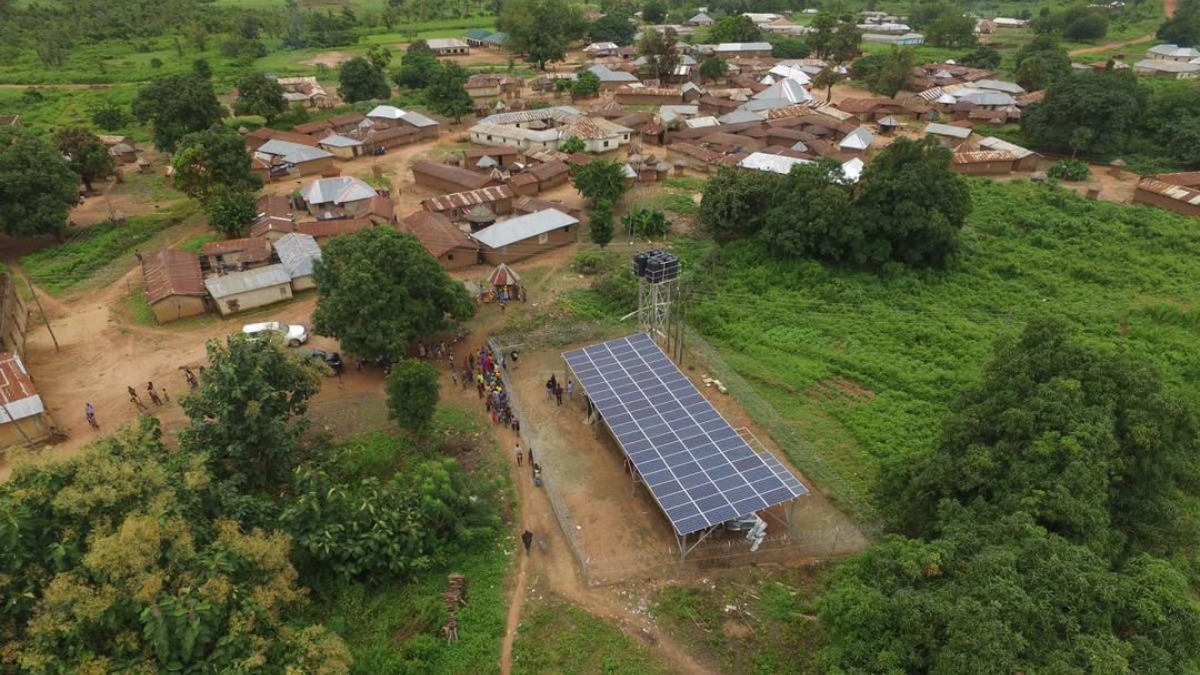
Beyond tertiary institutions, REA said it is expanding mini-grids and distributed renewable energy projects to underserved communities in partnership with development agencies and private investors.
However, the Agency stressed that electricity access alone would not guarantee sustainable development unless renewable energy systems support productive sectors such as agriculture, manufacturing, healthcare, education, mining and digital services.
According to REA, mini-grids powering agro-processing centres, cold storage facilities, markets and small businesses generate stronger economic returns by creating jobs, raising household incomes and improving the commercial viability of renewable energy projects.
Financing remains a key challenge
Despite growing investor interest, REA identified financing as one of the biggest obstacles to scaling renewable energy projects across the country.
The Agency said many projects struggle because of weak project preparation, inadequate risk allocation and limited bankability rather than a lack of investor appetite.
To address the challenge, REA said it is working with development partners, financial institutions and private developers to improve project preparation through blended finance, public-private partnerships and performance-based funding models.
It also identified carbon markets and renewable energy certificates as emerging opportunities that could strengthen project economics by creating additional revenue streams for developers, while calling for coordinated reforms covering electricity markets, carbon capture, emissions management, gas flare reduction and sustainable finance to accelerate Nigeria’s clean energy transition.

Ogochukwu Onwaeze is a writer specializing in business and economic journalism. At THEWILL News Media, she translates market trends, financial developments, and policy shifts into clear and engaging stories.
