
-
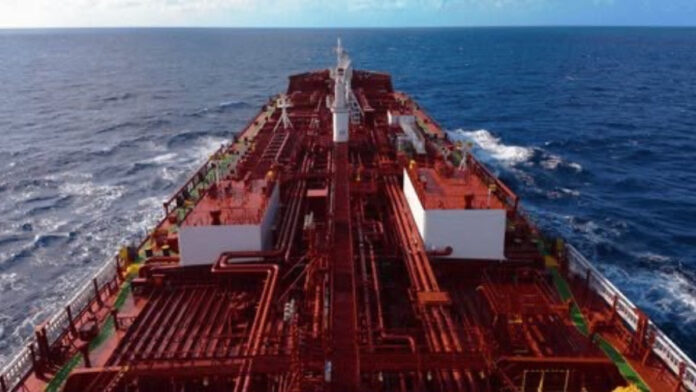
Nigerian crude grades strengthened after renewed US-Iran hostilities heightened fears of supply disruptions through the Strait of Hormuz, a vital global oil shipping route.
-
European refiners are paying stronger premiums for Nigerian crude as Atlantic Basin supplies offer a safer alternative to Middle Eastern exports facing rising geopolitical risks.
-
Nigeria is well-positioned to benefit from the rally as crude production climbs to its highest level since April 2020 and domestic demand from Dangote Refinery remains robust.
July 20 , (THEWILL) — Renewed military exchanges between the United States and Iran have boosted Nigerian crude prices as escalating tensions in the Middle East threaten shipping through the Strait of Hormuz, prompting global buyers to seek alternative oil supplies.
Brent crude climbed nearly 3 percent to trade above $90 per barrel.
At the same time, Nigeria’s premium light sweet grades, including Bonny Light, Qua Iboe, and Forcados, remained firm around $93 per barrel, supported by stronger physical demand in the Atlantic Basin.

The latest gains come after attacks on vessels attempting to pass through the Strait of Hormuz intensified concerns over the security of one of the world’s most important energy corridors.
Middle East Conflict Raises Supply Concerns
Shipping activity through the Strait of Hormuz slowed significantly on Monday following several days of increasingly hostile exchanges between the United States and Iran.
Reports indicated that commercial vessels delayed transit through the waterway, while some ships switched off their tracking systems as they approached the Strait because of heightened security concerns.
Only a handful of vessels were observed attempting the passage, including a Marshall Islands-flagged bulk carrier and a liquefied petroleum gas carrier linked to Iran’s so-called dark fleet.
The renewed uncertainty follows another round of U.S. military strikes targeting Iranian command centres, maritime infrastructure, missile sites and drone facilities.
Washington said the operations were aimed at reducing Iran’s capacity to threaten commercial shipping after a series of attacks on vessels in the region.
The latest escalation has reinforced fears that prolonged instability around the Strait of Hormuz could disrupt global oil supplies and keep energy markets on edge.
European Buyers Turn to Nigerian Crude
As risks surrounding Middle Eastern exports increase, European refiners are paying stronger premiums for Nigerian crude, which is shipped through the Atlantic rather than the Gulf.
Unlike crude exported from the Persian Gulf, Nigerian grades avoid the Strait of Hormuz, making them a more attractive and lower-risk option for refiners concerned about delays, insurance costs and possible supply interruptions.
This shift in buying interest has strengthened demand for Nigeria’s flagship export grades and reinforced the country’s position as one of the preferred Atlantic Basin suppliers during periods of geopolitical uncertainty.
Higher Production Strengthens Nigeria’s Position
Nigeria’s improving production profile is also helping the country capitalise on stronger international demand.
According to the Nigerian Upstream Petroleum Regulatory Commission (NUPRC), crude oil production averaged 1.56 million barrels per day, the highest level since April 2020.
Total liquids production, including condensates, reached about 1.74 million barrels per day, following four consecutive months of growth.
Bonny and Forcados remain the country’s largest-producing terminals, supported by improved pipeline security and longer periods of uninterrupted operations, which have allowed previously constrained fields to return to production.
At the same time, the expansion of the Dangote Petroleum Refinery has strengthened domestic demand for Nigerian crude.
The refinery lifted about 40.4 million barrels of Bonny Light, Forcados, and Bonga crude over 60 days, creating a strong domestic market alongside rising export demand.
With buyers increasingly favouring Atlantic Basin supplies and Nigeria’s production recovering, the country could see stronger export earnings if tensions in the Middle East continue to disrupt shipping through the Strait of Hormuz.

Ogochukwu Onwaeze is a writer specializing in business and economic journalism. At THEWILL News Media, she translates market trends, financial developments, and policy shifts into clear and engaging stories.
