

BEVERLY HILLS, June 26, (THEWILL) – The Federal Government has stated that it is cutting down the cost of governance by stopping “non-critical and administrative capital spending” which includes the purchase of non-essential official vehicles.
The plan of the government was contained in a document by Femi Adesina, presidential spokesman, entitled ‘what you need to know about the Nigeria Economic Sustainability Plan (NESP)’, an outcome of a committee chaired by Vice-President Yemi Osinbajo.
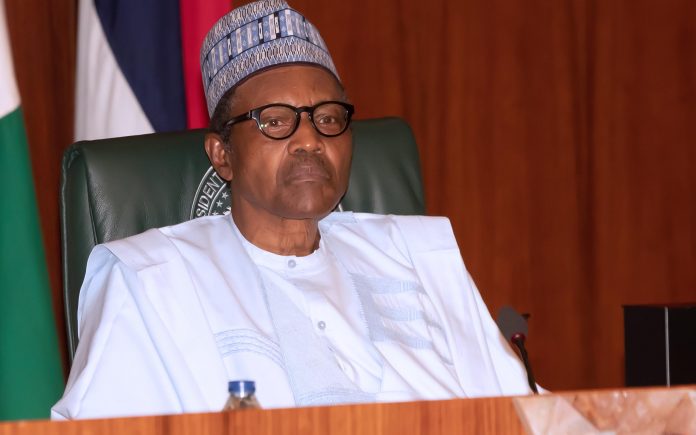
President Muhammadu Buhari had set up the panel following the outbreak of COVID-19 in the country which affected the world economy including that of Nigeria, hence the need for the plan.

Adesina said the NESP is seeking to expand the social investment programmes (SIPs).
“The president has approved the implementation of the Report on the Rationalization of government agencies. The NESP will also target a reduction in average production costs of crude oil,” he said.
“Also, the Integrated Personnel and Payment Information System (IPPIS) will be expanded to cover all Federal Government MDAs.
“Non-critical and administrative capital spending will be eliminated, including purchase of vehicles (except for ambulances, fire-fighting vehicles and other essentials).
“The implementation of the NESP will see an increase in the number of cash transfer beneficiaries, N-Power volunteers and sundry traders enjoying small and micro loans through the MarketMoni and TraderMoni schemes.
“The pre-existing conditional cash transfer will also be extended to cover a larger number of extremely poor and vulnerable Nigerians.”
ALSO READ: Buhari Presides Over Weekly FEC Meeting Virtually
The presidential spokesman said NESP offers opportunities for state governments to collaborate with the federal government on affordable mass housing, agriculture, off-grid power projects.
“It also provides for the negotiation of suspension of ISPO payments by States, moratorium on deductions in respect of bailout loans, and encourages States to attain the conditions outlined by SIFTAS and other World Bank programmes, in order to access external support,” he said.
“The ESC will also monitor implementation of the Plan while the Vice President will regularly brief the President on progress made.”




