
The February 25, 2023 Presidential and National Assembly elections have come and gone. The winners are now savouring their victories, popping champagne and beating their chests, while the losers are still shell-shocked and wondering what they did wrong or failed to do to deserve the trouncing they got in the elections.
One Group that may not forget the outcome of the elections in a hurry is the Peoples Democratic Party, (PDP) aggrieved governors who styled themselves the G-5 governors and who, with other aggrieved members of the main opposition party formed what is called the ‘Integrity Group’.
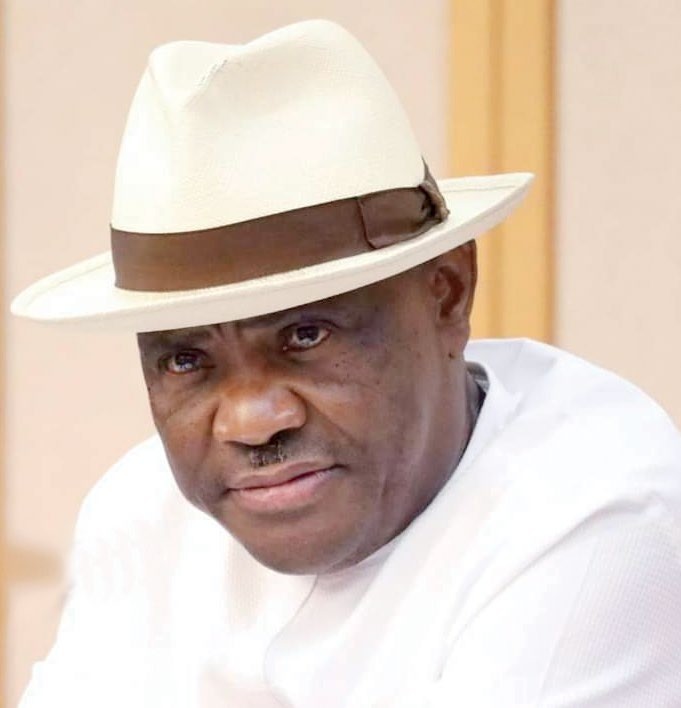
The G-5 Governors led by the Governor of Rivers State, Nyesom Wike, also include Governors Ifeanyi Ugwuanyi, Okezie Ikpeazu, Seyi Makinde and Samuel Ortom of Enugu, Abia, Oyo and Benue States, respectively.

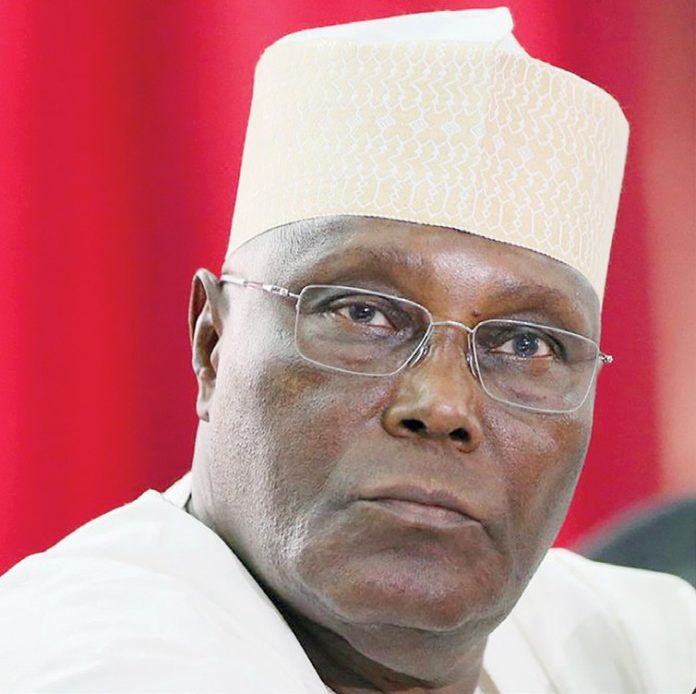
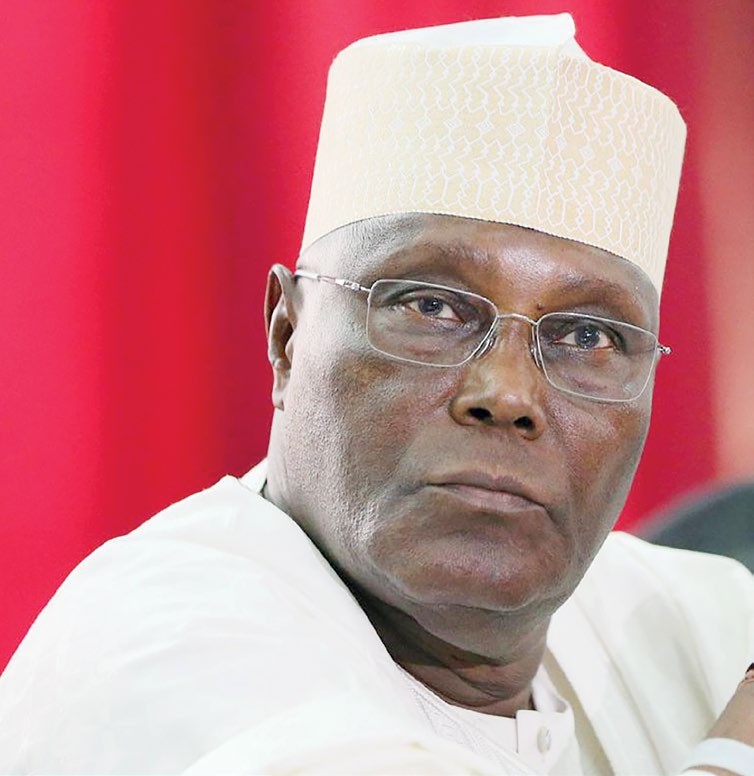
These governors who opposed the emergence of Alhaji Atiku Abubakar as the presidential candidate of the party and the retaining of Senator Iyorchia Ayu as the National Chairman of the PDP said they would not leave the party but fight within to register their displeasure with the national leadership of the party over the concentration of the two key positions in the Northern part of the country.
They had demanded that, for the purpose of fairness and all-inclusiveness, Ayu should relinquish his position as Chairman for a southerner to balance the top positions in the PDP.
As part of their resolutions, they vowed not to support Atiku’s presidential aspiration and to distance themselves from the party’s presidential campaign.
Every attempt to broker peace between the G-5 governors and the PDP leadership fell on their deaf ears as the governors insisted on Ayu’s resignation, saying that it was the only condition that could make them change their position.
In the last Presidential and National Assembly election, it was a no – win situation for the G-5 Governors and the party’s presidential candidate, Atiku Abubakar. Three members of the G-5 Governors lost out in the race for the Senate and Atiku lost to the APC presidential candidate, Asiwaju Bola Tinubu in the presidential election.
The Chairman of the Independent National Electoral Commission (INEC), Professor Mahmood Yakubu, who announced the final results last Wednesday in Abuja, said Atiku Abubakar of the PDP came second in the election. Atiku polled a total of 6,984,520 votes in the election which was lower than Tinubu’s scored 8,794,726 votes.
It would be recalled that some of the G-5 Governors had publicly declared that they would vote for other party’s presidential candidates in the last election.
In fact, their leader, Wike, promised that they would openly announce their preferred candidate for the presidential election. This didn’t manifest until the penultimate Saturday’s election.
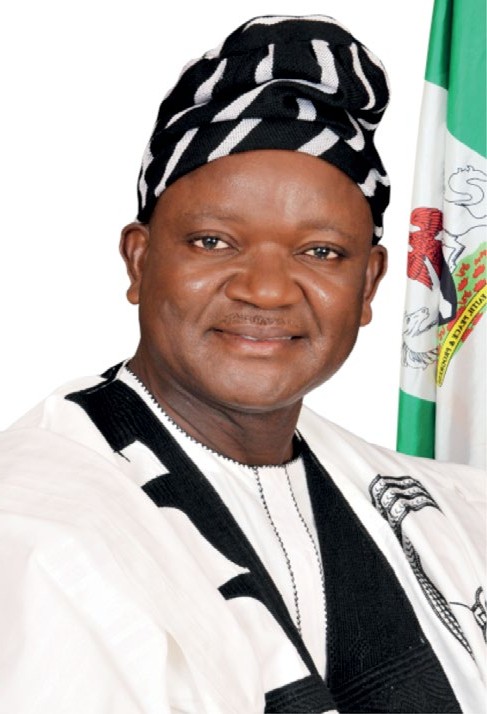
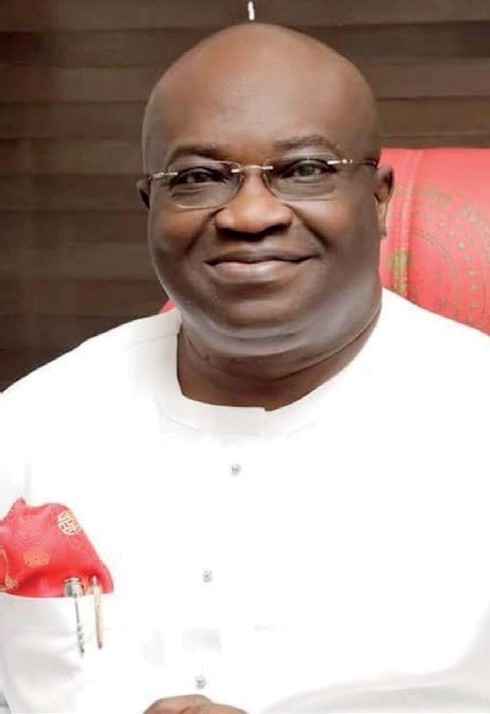
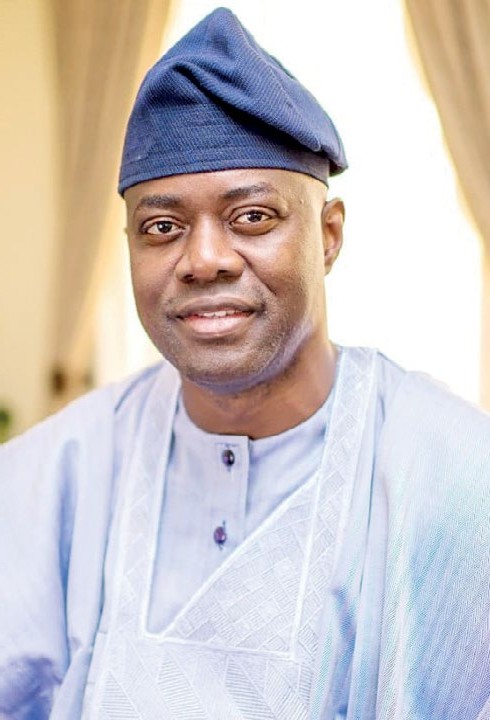
However, one of them, Governor Samuel Ortom of Benue State openly announced that he was backing the Labour Party’s candidate, Peter Obi in the presidential election. Also, Oyo State Governor, Seyi Makinde was said to have an unwritten agreement with the APC Presidential Candidate, Bola Tinubu to support him in the election.
Political observers and analysts had severally warned these governors about the negative implication of not supporting Atiku who was the standard bearer of their party in the election and they believed it could affect their chances in the election.
Three of the G-5 governors namely, Ortom, Igwuanyi and Ikpeazu, contested in the National Assembly Election and the result showed that all three lost to their opponenets.
Makinde is probably licking the wounds which the election inflicted on his party. The PDP did not only lose in the presidential election but also it lost the three senatorial districts in Oyo and many seats in the House of Representatives to the APC.
Makinde will be on the ballot on Saturday to contest for a second term in office. But he is having a hard time at the moment trying to convince PDP candidates in Oyo who lost in the NASS election that he did not trade them off to the APC.
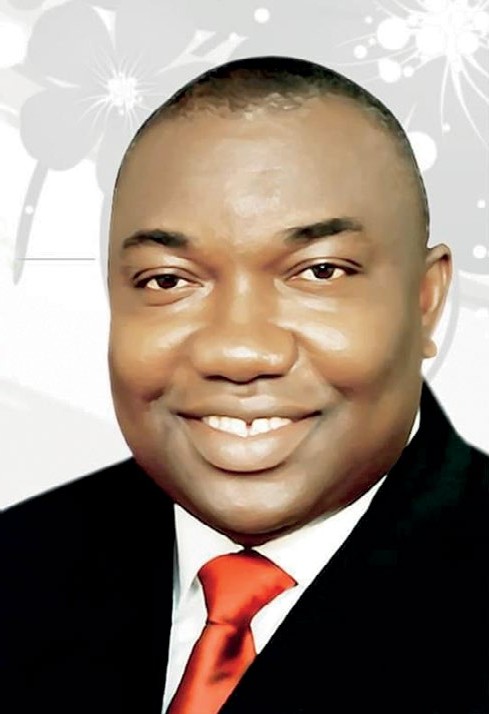
Most of them and their supporters are still bitter and may not give their all to him in the forthcoming governorship election in the state.
The APC’s triumph in the presidential and national assembly elections in Oyo has also buoyed the confidence of its governorship candidate, Senator Teslim Folarin and the party’s state assembly candidates ahead of the election.
They have openly disclosed that the party has no agreement or accord with Makinde and urged their members to come out and vote for APC on Saturday.
Ortom lost the election for the Benue North-West Senatorial seat to his former aide, Titus Zam, of the All Progressives Congress (APC).
Zam, who was Ortom’s Special Adviser on Bureau for Local Government and Chieftaincy Affairs from 2015 to 2017, scored 143,151 votes to defeat the governor who polled 106,882 votes.
Ortom, a former Minister of State for Trade and Investments, is rounding up his second term as governor of Benue. He has been very vociferous, especially about issues of insecurity in parts of the state.
While reacting to his loss in the national assembly election, the governor in a terse statement issued last Monday by his Special Adviser, Media and Publicity, Terver Akase, said he has received the official results and that it would be scrutinized.
Akase said, “His Excellency, Governor Samuel Ortom has received the result of the 2023 Benue North West Senatorial election. He will study the result and respond appropriately.”
Another sitting governor, Ifeanyi Ugwuanyi of Enugu State, also lost his bid to return to the National Assembly. It was clearly an upset, especially in a state where the PDP had dominated party politics since the return of democracy from military rule in 1999.
The Enugu State governor was defeated in the election for Enugu North Senatorial District by Barr Okey Ezea of the Labour Party. Announcing the result, Returning Officer for the election, Chukwuemeka Ubaka, said Ezea polled 104,492 votes to defeat Ugwuanyi of the PDP, who got 46,948 votes.
Ezea had contested in the Enugu governorship election on the platform of the APC in 2015, the same year Ugwuanyi was elected for the first time as governor of the state.
Ugwuanyi had served in the House of Reps for 12 years, as a representative of Igbo-Eze North/Udenu Federal Constituency before he became governor.
Governor Okezie Ikpeazu, who is rounding up his second term in office, would have joined the league of former governors in the senate if he had succeeded at the February 25, 2023 polls. He was defeated at the poll by Senator Enyinnaya Abaribe, a former Chief Minority Whip in the Senate, who has been representing Abia South Senatorial District since 2007.
Abaribe ran on the platform of the All Progressive Grand Alliance (APGA) and succeeded in polling 49,903 votes to beat Ikpeazu who belongs to the PDP.
In the results announced by INEC’s Returning Officer for Abia South National Assembly election, Prof Georgina Ugwuanyi, the Labour Party candidate, Chinedu Onyeizu, polled 43, 903 votes, while Ikpeazu got 28,422 votes, to emerge third.
In his reaction to the election result, Ikpeazu said he had no worries over losing the bid, adding that he was grateful to God for the opportunity to complete two terms as governor of Abia.
Ikpeazu noted that the peace and security of the state was more important to him than his senatorial ambition. He however faulted the Independent National Electoral Commission for declaring Abaribe winner of the election in Abia South Senatorial.
The governor, rather than being dejected, appreciated God for the opportunity to govern Abia State for eight years.
Speaking to journalists on Wednesday, he thanked God that no life was lost in the election as he was not ready to engage in violence or spill blood to win an election.
He said, “In elections, you win some and you lose some. It is service and if somehow the opportunity fails to come to you, you thank God for the ones you won. I cannot spill blood for politics. I am a happy man and now focused on the 11th March governorship election.”
AYO ESAN, has been actively reporting and analyzing political events for different newspapers for over 18 years. He has also successfully covered national and state elections in Nigeria since the inception of this democracy in 1999.
