July 09, (THEWILL) — A few months ago, I came across a video on Facebook that deeply troubled me. In the video, a young boy attempted to snatch a phone from a passenger on a moving bus. The passenger caught his arm, and as the bus slowed, the boy was forced to run alongside it while other passengers reached out to slap, punch, and knock his bloodied face.
The comments were flooded with praise for the passengers. Many felt justice was being served. But I added a comment, perhaps naively, that the boy was also a victim. A victim of poverty. A victim of a failed system. A victim of a political class that has stolen everything from him. If he had access to education, a job, food, or shelter, he wouldn’t be risking his life for a phone.
The responses were shocking. People insulted me. Some wished phone thieves would target me. Others accused me of being a thief myself. I replied that we are all victims—because if any of them saw Yahaya Bello, the man accused of stealing N110 billion, they would likely cheer, not condemn. That made them even angrier. I logged off, not out of fear, but out of sadness. Because this is what bad governance has done to us—it has not only stolen our resources, it has broken our sense of justice, unity, and empathy.

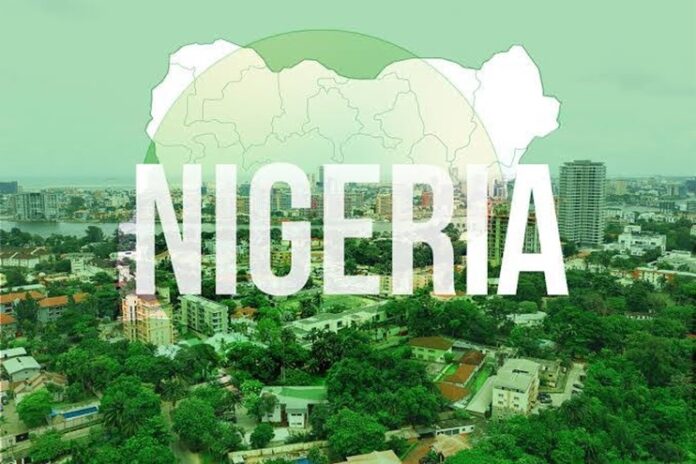
A few days ago, new data from the International Monetary Fund (IMF) published by Visual Capitalist, confirmed a painful truth: Nigeria is now the 12th poorest country in the world, when measured by GDP per capita.
GDP per capita reflects how national wealth is spread across the population. When it drops, it means the average citizen is poorer. It means hunger, despair, and violence are rising. It means inequality is deepening, and the streets are getting more dangerous.
Nigeria has reportedly experienced its highest GDP growth since the APC took office. But per capita income has been halved. This means a small elite is growing richer, while the majority sinks deeper into poverty. This is not growth—it’s an economic illusion driven by systemic corruption.
Let’s look at the numbers:
• Under Goodluck Jonathan (2014): $2,700
• At the end of Buhari’s tenure (2023): $1,597
• Under Tinubu’s administration (2024): $804
That figure is lower than Nigeria’s GDP per capita before independence. Today, the average Nigerian earns less than one-third of what they did a decade ago.
Not long ago, Adewunmi Adesina, the former President of the African Development Bank, warned that Nigeria’s poverty was not due to a lack of resources, but a lack of leadership. He was mocked by the government’s media team. But today, the numbers have proven him right.
When people are hungry, homeless, and hopeless, crime becomes survival.
This economic collapse has fueled:
• Widespread kidnappings and banditry across Northern Nigeria
• Mass killings in Plateau, Benue, Zamfara, and Kaduna
• Rising cult violence and urban crime in Lagos, Port Harcourt, Aba, and beyond
And it’s not just civilians. Our police and military are poorly paid, poorly trained, and poorly armed. Terrorists now operate with drones, motorcycles, and assault rifles. Nigerian soldiers face them with obsolete rifles and unpaid allowances.
You cannot expect loyalty or patriotism from men who cannot feed their families.
Amid all this suffering, the President’s top priority is the purchase of a brand-new private jet—worth N160 billion. While our soldiers die without air support, while IDPs sleep under trees, while families sell children to pay hospital bills, the presidency dreams of luxury flights to exotic destinations like St. Lucia.
To understand what N160 billion means:
• It could equip and insure 50,000 Nigerian soldiers
• It could build modern barracks and provide critical air support
• It is more than the entire annual budget of Ekiti State.
Meanwhile, across Africa, Nigeria is falling behind:
• Morocco: $3,672
• Ghana: $6,905
• Equatorial Guinea: $7,755
Nigerian girls are now trafficked not to Europe, but to African countries like Côte d’Ivoire. That is how far we’ve fallen.
And globally, the gap is even more shocking:
• Thailand: ~$7,000
• Malaysia: ~$11,000
• Poland: ~$18,000
• UK/Germany: ~$40,000
• USA: ~$70,000+
How did the so-called Giant of Africa become the poverty capital of the world?
It is not a resource problem—it is a leadership problem.
This is no longer a partisan debate. It is a matter of national survival.
We must elect leaders who will:
• Cut waste
• Prioritise security
• Revive the economy
• Invest in people—not jets, estacodes, and convoys
We must reject a system that rewards greed and punishes honesty. We need public servants who view every naira as sacred—and see leadership as duty, not indulgence.
This is why I will always stand for a leader who has proven to be frugal with public funds. A leader who understands that governance is stewardship, not luxury. A leader who doesn’t need a new jet to feel important—but believes in investing in soldiers, schools, hospitals, and jobs.
If we could elect a leader who worsened Nigeria’s condition beyond even Buhari, then clearly, we have not yet seen rock bottom.
But we still have a choice.
Let’s say enough.
Let’s restore Nigeria.
Let’s reset to factory settings.
#NigeriaDeservesBetter
#GDPPerCapita
#LeadershipCrisis
#FrugalLeadership
#EndCorruption
#ResetNigeria
***Written by Ken Agala.