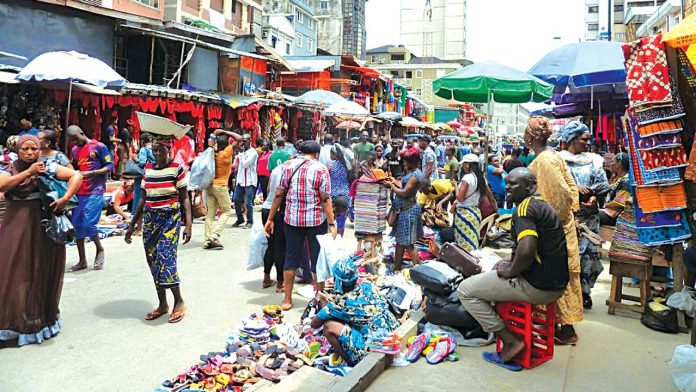
The marketplace is an important part of a community all over the world. It could be an open square or a place in a commercial location where buying and selling takes place.
Wikipedia defines market place or market as a location where people regularly gather for the purchase and sale of provisions, livestock, and other goods.
By and large, it occupies an important part of any community as it is a warehouse for goods, food items, household commodities and other materials.

However, some markets operate daily and are said to be permanent markets, while others are held once a week or on less frequent and specified days, such as festival days and are said to be periodic markets.
The form that a market adopts depends on its location, population, culture and geographical conditions. The term market covers many types of trading, as market squares, market halls, food halls and their different varieties. Due to this, marketplaces can be situated both outdoors and indoors. Even so, many markets have emerged online, hence the need to ensure and enforce sanity and cleanliness at all times. Marketplaces are key places and should remain clean through the collective responsibility of all stakeholders.
In a bid to enforce environmental sanitation at all markets, every Thursdays has been set aside by some state governments in Nigeria for the cleaning of marketplaces. This directive must not be jettisoned. Compliance is crucial and must be enforced. Every stakeholder must take responsibility for this.
Carrying out an effective sanitation exercise across the markets have become a serious challenge in some major cities in Nigeria. There are reported cases of indiscriminate dumping of refuse on major roads, blocking of drainage systems and open defecation are common practices in some major markets.
The importance of a hygienic environment cannot be overestimated. According to some scientists, factors that influence the growth of individuals and the nation at large mostly has to do with the hygienic environment. Unfortunately, various elements that make up the environment, such as, air, water, land and others are being contaminated daily.
A polluted environment is a health hazard and it causes several diseases and ailments which endanger the human chances of survival. A visit to some marketplaces in Abeokuta, Sagamu, Ijebu-Ode and Ilaro, where noise, water and environmental pollution, as well as illegal dumping of refuse are common, calls for urgent attention from relevant government agencies because of the wider implication to public health.
It is a known fact that the rationale behind environmental sanitation in marketplaces is aimed at reducing the burden of environmental hazards and unhygienic practices that could result in the spread of diseases among buyers and sellers.
Experts have warned that some marketplaces, especially those located on the roadside, are exposed to food poisoning, food-borne diseases and loss of lives through road accidents. The sanitary condition of some of these markets, often littered by refuse, gives serious cause for concern. The lack of toilet facilities compels both sellers and buyers to urinate and defecate in the open and hidden places around the marketplaces, which may in turn, contaminate food items.
According to the World Health Organisation (WHO), unsafe food containing harmful bacteria, viruses, parasites or chemical substances cause more than 200 kinds of diseases, from diarrhoea to cancers. Also an estimated 600 million people – almost one in 10 people in the world – fall ill after eating contaminated foods. More startling is the discovery that children under five years of age carry 40 per cent of the food-borne disease burden with 125,000 deaths yearly around the world.
WHO also disclosed that diarrhoea is the most common ailment resulting from the consumption of contaminated food, causing 550 million people to fall ill and 230,000 deaths every year.
In Nigeria, WHO estimates that more than 200,000 people die of food poisoning by food-borne pathogens (especially Escherichia coli and Salmonella) annually. The deaths are caused by contaminated foods through improper processing, preservation and delivery.
Investigation has shown that the poor sanitary condition of some marketplaces can be blamed on the average health worker’s poor attitude to work. Waste disposal officials should also be cautioned to take their jobs seriously and to ensure they evacuate tonnes of refuse littering marketplaces as and when due. Government should ensure that there are sufficient incinerators to serve the people. This inadequacy has led to indiscriminate dumping of refuse on major road.
Another sanitation challenge is buying and selling on the roadsides, which constitutes a serious hindrance to both human and vehicular movement. Everyone can contribute to the maintenance of good hygiene in the marketplace. To achieve this, there is a need for periodic cleaning and fumigation of the marketplace. This will go a long way to mitigate the transmission of germs and spread of diseases.
Enforcement officers should first be empowered and saddled with the responsibility of preventing and controlling the spread of diseases in marketplaces and at various communities. Their responsibilities must include periodic inspection of food service, stalls and shops, as well as visits to communities, homes and markets, to ensure compliance with sanitation rules. They should also carry out routine inspections in the markets to ensure a safe and healthy atmosphere for the sale of goods.
There is a need for adequate enlightenment campaigns to reset the mindset of the people in the areas of cleanliness and to discourage unhealthy attitude to issues revolving around good hygiene and sanitation.
To this end, the provision of potable water, toilets and bathrooms, refuse disposal bags or incinerators must be provided by government at all levels, while open urination and defecation, which is rampant among the people, must be curtailed as the resultant effect on the environment will further contribute to environmental degradation.
Furthermore, there is a need an impoved supervision of markets by well-trained, non-corrupt officials equipped with modern sanitation tools to ensure world best health standards across marketplaces.
Buying and selling on access roads within and outside markets, as well as occasional barricading of access roads within the market and its surroundings, thereby leading to unnecessary loss of lives and properties during road accidents, must be prohibited,.
Although government deserves commendation for making efforts to construct modern markets with yellow rooftops across the states, this may not be enough if sanitary workers, heads of marketplaces and other stakeholders do not put in place guidelines that can put an end to the unwholesome practices at the marketplace.
To whom much is given, more is expected, especially from local government authorities, who must take charge as the marketplaces are under their supervision. They must ensure that traders comply with sanitation protocols at all levels by engaging in aggressive campaigns aimed at encouraging citizens to imbibe good sanitation and hygienic practices, as well as take preventive measures, such as keeping the environment clean, ensuring the use of clean and safe water and regular washing of hands with soap and water.