Depressed oil prices have punished the largest economy in Africa with ongoing concerns over a slowdown in domestic economic momentum weighing heavily on investor sentiment. Unemployment in 2016 has skyrocketed to shocking levels while rising inflationary pressures continue to rock the nation’s stability. Although there was some optimism over the signed 2016 budget, questions are repeatedly being asked if the current funding could oversee the changes needed to steer Nigeria away from being heavily export dependent. The business environment is changing rapidly and events such as the removal of fuel oil subsidies coupled with speculations of a Naira devaluation could create explosive levels of volatility consequently providing an opportunity for traders to attack.
Sentiment towards the Nigerian economy remains bearish, and the government’s bold move to relinquish fuel subsidies may have exacerbated fears of an economic slowdown further. The painful combination of renewed militancy that has sabotaged production, coupled with ongoing low oil prices has left the government in a position where it is unable to sustain granting subsidies. Although since the start of the year Nigeria has spent a staggering $5 billion on fuel subsidies, questions have been raised if this has reduced the suffering of low income earners or even mitigated the fuel scarcity. With foreign exchange shortages rife, fuel importers are turning to the black market exchange rate consequently spending more local currency to buy the dollar and the transferred costs are bruising consumers further.
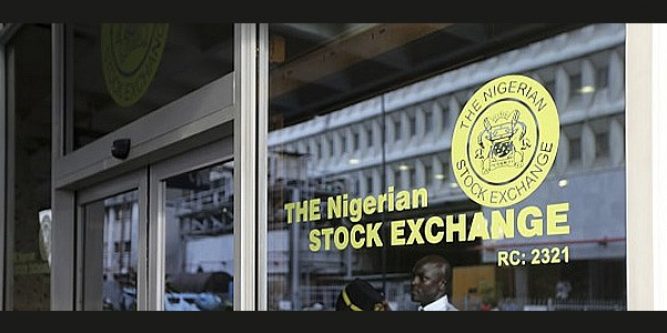
For an extended period, the Nigerian Stock Exchange (NSE) has followed a negative path sending prices crashing to as much as N1.73 trillion since May 2015. Although the declines in stocks were in line with faltering oil prices, the resurgence in Dollar strength from the heightened US rate expectations could have attributed to this selloff. While the Dollar may not be the legal tender in Nigeria, it seems to have a strong grip with an ever appreciating Dollar causing the Naira to weaken considerably in 2016. Even without discussing the topic of a devaluation, the rising optimism over the Fed taking action in 2016 could leave the Naira vulnerable to further losses on the black markets and this should provide an opportunity for traders to attack.

Financial heavy weights, such as the International Monetary fund, have repeatedly indicated their readiness to elevate Nigeria’s economy with credit liquidity on the basis of a Naira devaluation, but President Muhammad Buhari continues to discount this idea. It should be kept in mind that Nigeria is a consuming nation which imports most of its goods and because the only major export is oil, the benefits of a devaluation in that dimension may be limited. Although the Central Bank of Nigeria has displayed some flexibility with speculations mounting over a potential flexi rate exchange policy of N285, the ongoing fears that the nation could enter a technical recession, coupled with a slash in credit ratings have made it difficult to acquire funding. With all paths potentially pointing back to the IMF, if GDP growth in Q2 fails to meet expectations then the pressure could force the CBN to devalue and accept a loan from the IMF in an attempt to restart economic growth while diversifying from a reliance on oil.
Although the Nigerian economy is currently under pressure from the combination of Naira vulnerability, declining GDP, and weak oil prices, there is still some optimism over the nation retaining stability in the future. It must be understood that the basic steps have already been implemented to slowly diversify away from being heavily oil export-reliant, with the key investments in agriculture and manufacturing potentially paving a way for the economy to break away from the shackles of falling oil prices. While sellers may exploit the bearish nature of the Naira and Nigerian Stock Exchange as fears heighten over a potential recession, the long run could still be bullish. If Nigeria is able to overcome this harsh period and emerge as a self-reliant economy that is not affected by external shocks, the Naira could claw back losses against the Dollar while the NSE trades higher as risk appetite returns.
Written by Lukman Otunuga, Research Analyst at FXTM.