
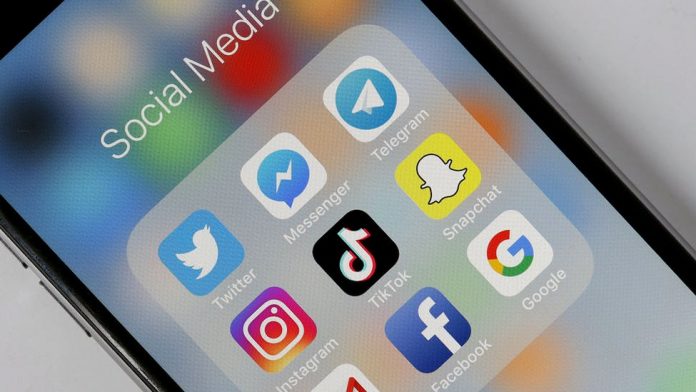
May 29, (THEWILL) – Social media has redefined the world of journalism and knowledge sharing. Businesses, sports, governance, and even our way of life have either been improved or worsened through social media. Nothing happens nowadays without its involvement. It delivers and disseminates information instantaneously, as citizen journalists rarely waste time in breaking stories—often even before conventional media does. Using social media is simple, cheap, fast, and far-reaching. Its impact on society is enormous. People and businesses have risen into public consciousness through the effective use of one social media platform or the other.
Many individuals have become popular, wealthy, and influential in society by their activities on social media and the number of followers they attract. As a result, companies and brands chase those with large followings for endorsement deals. Some influencers use their platforms to advocate for societal good, while others pursue personal or business interests. Martin Otse—better known as VeryDarkMan—is one such example of someone whose relevance is built on the power of social media. Virtually all businesses and governments have embraced social media as a tool for interacting with customers, clients, and citizens. Donald Trump, during his first tenure as US President, made X (formerly Twitter) an official platform for governance—hiring and firing officials and issuing press statements via his handles.
He wasn’t alone in leveraging this digital tool. Many presidents and governments now recognise the potential of social media and use it for either promoting good governance or, in some cases, advancing propaganda. Like every coin, social media has two sides. It is a powerful instrument for building a better society—or for destroying it. Friendships, marriages, businesses, and reputations are built and destroyed on social media. Some people see it as a place to validate their actions, forgetting that it is a court of public opinion where everyone is a lawyer but most are ignorant judges relying on hearsay and false perceptions.

In countries like China, there are national policies regulating social media usage. These platforms are required to actively moderate content and remove anything deemed inappropriate—especially sexually explicit material, pornography, or anything that promotes immorality. This moderation is carried out using algorithms, human content moderators, and reporting systems.
The Chinese government deliberately insulated its citizens from the harmful effects of social media, which can be monumentally destructive. For example, the international version of TikTok—a Chinese invention—is not accessible in China. Instead, they use Douyin, a similar app subject to strict government censorship and regulations. ByteDance, TikTok’s parent company, created Douyin for the Chinese market. The two apps have no connection in terms of content or user base. While Douyin is filled with educational and skill-oriented content aimed at youth empowerment, TikTok outside China often hosts content of questionable value.
In Nigeria, however, social media is fast becoming a platform for widespread sexualisation. Over 98% of the content created and shared online now carries a sexual undertone. Once upon a time, private parts were truly private. Now, many content creators trade decency for fame. One disturbing trend is a series of TikTok videos where girls are instructed to lift their blouses and expose their breasts simply to gain likes and followers. Sadly, many young girls flock to these pages, begging for attention and shamelessly exposing themselves.
Even more disturbing is the way these girls are ordered around and spoken to. But in their quest for fame and monetisation, they ignore the insults and overlook the long-term consequences. Blinded by the desire for relevance, they forget that the internet does not forget. One day, these seemingly harmless acts will come back to haunt them. Many Nigerian girls have become easy targets. A flashy car (perhaps rented), the promise of a mobile phone, or a little cash is all it takes to lure them in. The hunger for fame and wealth has exposed them to dangerous levels of manipulation and deception.
Another example is the @1bodycount social media handle, where a man poses sexually explicit questions to young women—questions like: “What secret have you never told your ex?”, “What’s your favourite position?”, “Do you spit or swallow?”, and so on. As the session progresses, the girls get more excited, dancing and exposing their bodies while revealing deeply personal details—just to trend online.
There’s also the case of Peller, a content creator with little substance, who somehow emerged as a role model—even to the educated—by posting meaningless videos. He won the Silverbird Influencer of the Year Award at the 2024 Silverbird Man of the Year Awards. One wonders what value his videos truly add to society to merit such recognition.
How did we get here? Our age-old family values—morality, truth, respect, discipline, hard work, integrity, and humility—have been eroded. Many families are no longer living up to their responsibilities. While some parents try their best to uphold moral standards, others prioritise wealth, fame, and political ambitions—leaving the upbringing of their children in the hands of housemaids, nannies, or teachers. This parental vacuum has left many children misguided.
On the other hand, some children—despite receiving good moral instruction at home—deliberately become the black sheep of the family. So, what’s the way forward?
The government must take urgent steps—not just banning immoral songs like Idris Abdulkareem’s “Seyi, Tell Your Papa”—but designing a workable policy framework to regulate access to social media platforms and curb content that threatens the country’s moral foundation. The Cybersecurity Act of 2015 should be specifically applied to address gross immorality online and to prevent imminent societal collapse.
Before couples marry, they should understand that raising children is primarily their responsibility. The burden of nurturing good citizens lies squarely on parents’ shoulders. Society is overwhelmed, and it’s becoming increasingly difficult to guide children whose parents have failed to fulfill their first line of duty.
***Written by Sunday Onyemaechi Eze.
Sunday Onyemaechi Eze is a lecturer, in the Department of Mass Communication and Head, of Internationalisation and Partnership, at Coal City University, Enugu

