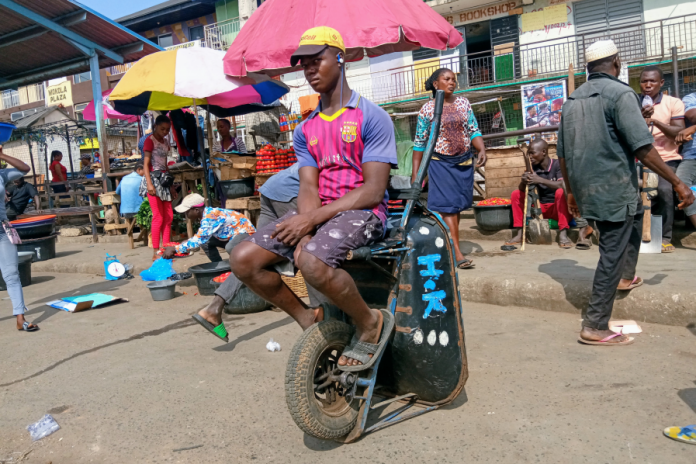
Africa’s youth unemployment problem has been the subject of so many debates in recent years because of its prevalence in Africa. The youth unemployment rate simply refers to the percentage of the unemployed in the age group of 18 to 35 years as compared to the total labour force.
In Nigeria, for instance, the unemployment rate is often higher than the overall African average due to the country’s total population. According to reliable data, over 60 percent of the Nigerian population is made up by the youth. However, the majority of these youths are equally vulnerable and out of any significant social welfare system. This situation also exists in many African countries, such as Namibia, Angola, South Africa, and Mozambique, to mention a few.
The COVID-19 pandemic has negatively affected many economies and necessitated the high unemployment rates in many countries. Many workers, who were lucky to escape the initial fall-out from the pandemic, are still likely to either lose their jobs or experience salary cuts, drops in the value of their real incomes, even redundancy. In fact, the combined consequence of COVID-19 and youth unemployment is severe and damaging to any nation.

With the negative impact of the pandemic, particularly on economic growth, it is inevitable that the unemployment and poverty rates will go further up and they might even be on a steady path of increase, if no meaningful step or measures are taken.
With the current realities, job opportunities for Nigeria’s teeming youths continue to wane due to increase in population, inadequate qualification and the depressed economy. However, to avoid a likely surge in the crime rate and criminality, which is a direct consequence of unemployment; participation in sporting activities should be encouraged among youths by governments and policymakers. The participation of young people in economic and social areas will be of great significance to the overall development of many countries.
African countries need to see sport as both business and a way to promote healthy living among their citizens. Sport is one of the easiest avenues for young men to quit the poverty lane and unemployment. It is important to note that with sports, the youths can become athletes and be gainfully employed. Besides, there will be more job opportunities and commercialisation on the continent for companies, investors, talent scouts, agents, coaches, referees, trainers, sports analysts, media companies, facilities management companies, sport wear manufacturers and merchandisers.
A good sporting environment will equally encourage partnerships between corporate companies and sporting entities, as observed in situations where stadiums bear the names of companies and sponsorships deals with company logos appear on athletes’ clothing and equipment, and so on, in the developed countries around the world.
Studies have shown that sports can provide a reduced risk from alcohol use, smoking, terrorism, criminality, and illicit drug use amongst young people versus those who do not indulge in sports.
That said, in the world today, it is quite challenging to estimate the exact number of sports or games around the world. However, a reliable report has shown that there are more than 8,000 sports in the world. Yet, there are roughly 200 sports that have international recognition through a reliable international governing body.
Nonetheless, the Olympics, which is the pinnacle of sports, has only validated 28 sports as of 2016. To give a general idea of some of the most participated sports using available data from the Olympics, we have adventure Sports (kayaking, canoeing), aquatic sports (swimming, bodyboarding), strength, and agility sports. (aerobics, gymnastics), ball sports (baseball, basketball, football), mountain sports (climbing, cross-country cycling),and motorised sports(formula racing).
Most of these sporting events are seen as lucrative career options and in most developed countries, so much effort and resources are channeled into it. From a European perspective, sports-related employment represents a significant percentage of total employment on the continent. The amount of investment and cash that several sports stars earn around the world is mind-blowing. Excellent examples from Nigeria are Anthony Oluwafemi Joshua Nigerian-born British boxer (World heavyweight boxing champion), who commands more than £30 million for every fight. This is apart from several endorsements he enjoys. Another athlete is Divine Oduduru, the second-fastest African athlete earning around N180 million yearly. Nigeria’s top table tennis player, Aruna Quadri, has started the year 2020 as the 18th best player in the world and doing well with the sport. Likewise, John Obi Mikel, Odion Jude Ighalo, Victor Moses, Wilfred Ndidi, Victor Osimhen are earners to reckon with in football. In the ultimate fighting championship and kickboxing career, the following Nigerian-born individuals Kamoru Usman, Isreal Adesanya, Sodiq Yusuf and Kennedy Nzechukwu are active and dominant in the sport.
According to the National Basketball Association, four of the players are of Nigerian origin. They are Al-Farouq Aminu, Giannis Antetokounmpo, Chimezie Metu, and Josh Okogie. Interestingly, these sportsmen get additional income from endorsements and sponsorship deals all over, which leads to additional millions of dollars in earnings. This situation is not only applicable to Nigerians, but also to other well-meaning African nationals. The point is that money will always flow to areas where the masses have focused attention, such as sports, particularly football, basketball and boxing.
Similarly, available data from Forbes Magazine indicate that some of the wealthiest athletes in the world are Floyd Mayweather (boxing), Tiger Woods (Golf), Lionel Messi (football), Christiano Ronaldo (football), Conor McGregor (kickboxing), Neymar (football). It is imperative to state categorically that most of these athletes probably never registered any startup business to gain prominence, but they are undeniably talented in what they do because of consistency and dedication.
While talents are essential, a lot of seriousness, concentration and motivation is required from athletes to become successful. Energy can be channeled into mastering and pursuing careers in several sports, just like we have seen in the entertainment and the music industry. Without a doubt, it could lead to a strong sports culture and competitiveness in both domestic and foreign markets.
Admittedly, sport is a veritable outlet that can offer a pro-active solution to youth unemployment in Africa. This is because sporting skills can be learned and developed. Nonetheless, policymakers, sports associations and government need to make decisive and responsive policies to encourage robust youth participation in sports and learning programmes. If a more professional approach is adopted in the sports industry, government will benefit from it and consistently generate income.
The various sports associations should be designed to run professionally with a competent governing board, just like any major global corporation. This will ensure adequate structure to guarantee adequate followership, which eventually will lead to huge sponsorship, great athletes and substantial marketing revenues, among others. So many stakeholders -fans, advertisers, TV stations, investors, and collaborators can equally benefit. Many of the functions within the sports industry are service-based, which means it will be a labor-intensive industry.
In conclusion, sports can make positive contributions to the development of any country. Sports can also help to promote a healthier lifestyle amongst youths. Governments can develop sport policies and situate community hubs across cities to bridge the unemployment gap, where young people could come and improve their sporting skills and become professional athletes. I see a tremendous opportunity for African countries and their citizens if they can adopt these principles, begin to design systems around sports and create well-paying jobs for millions of young people.
Dr Olubiyi is an entrepreneurship and business management expert.