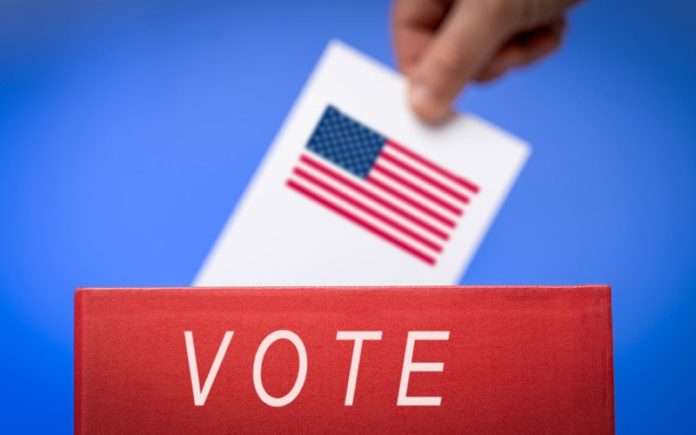
November 25, (THEWILL) – The landscape of American elections reveals a complex cultural conflict that extends beyond mere political differences. At the heart of this struggle is a battle between the educated elite, often characterised as liberal, and the blue-collar workers, many of whom are semi-educated and reside in suburban or rural areas. This latter group frequently feels marginalised, grappling with economic pressures exacerbated by competition from immigrants for jobs and opportunities.
This cultural war is intensified by a reactionary sentiment against the presidency of Barack Obama, which has been fueled by racial tensions and a resistance to the idea of a female leader in the highest office. The apprehension surrounding the prospect of another black or female President reflects deep-rooted societal issues, revealing a simmering resentment that has long been embedded in the American psyche.
Donald Trump’s rise to prominence can be seen as a manifestation of these complex cultural and racial dynamics. He serves as a voice for those who feel disenfranchised and overlooked, encapsulating the frustrations of individuals who perceive their way of life as threatened. The election of Trump is not merely a political event; it symbolizes a broader awakening of these tensions and an attempt to reclaim power within a rapidly changing social landscape.

As we look to the future, the implications of this cultural strife will shape the trajectory of the United States and its role on the global stage. The interplay of domestic divisions with international developments, such as the emergence of BRICS (Brazil, Russia, India, China, and South Africa), represents a significant shift in the balance of power. This phenomenon will undoubtedly influence global affairs, raising questions about the future stability and direction of international relations.
The dynamics at play in American politics and the global arena will be intricate and potentially transformative. Whether for better or worse, the repercussions of these cultural and political shifts will resonate far beyond US borders, impacting the world for generations to come.
***written by Baba Isimi