

-
Outgoing UK High Commissioner Richard Montgomery says Nigeria’s recent economic reforms have helped drive what he described as the country’s economic turnaround.
-
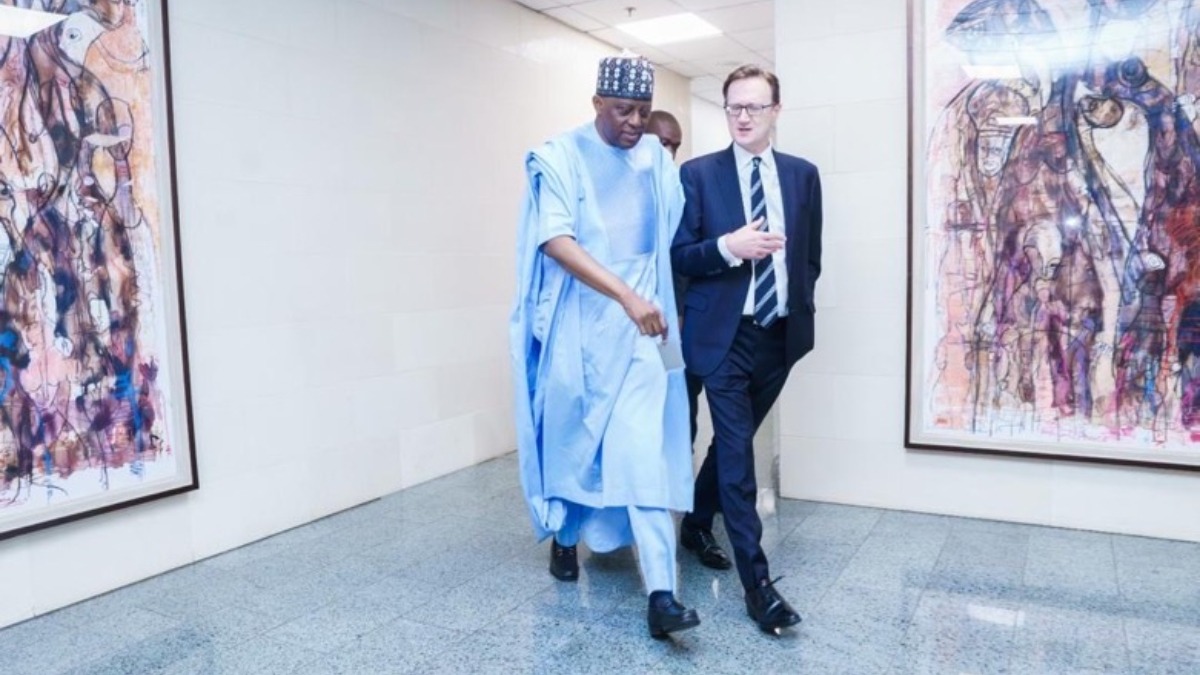
He made the remarks during a farewell visit to CBN Governor Olayemi Cardoso before the end of his diplomatic posting.
-
Since 2023, the CBN has introduced major monetary, foreign exchange and banking reforms that have drawn mixed reactions from investors, businesses and households.
-
While some international institutions have welcomed the reforms, many Nigerians continue to grapple with high inflation, elevated interest rates and rising living costs.
Outgoing British High Commissioner to Nigeria Richard Montgomery has described the Central Bank of Nigeria’s monetary and banking reforms as a major factor behind what he called Nigeria’s economic turnaround over the past three years.
Montgomery made the remarks after paying a valedictory visit to CBN Governor Olayemi Cardoso, saying it had been “a real pleasure” to meet the governor before the end of his diplomatic assignment.
“It has been a privilege to witness Nigeria’s economic turnaround in the last three years, driven by his monetary, CBN and banking reforms, and excellent relations with the Bank of England”, Montgomery wrote in a post on X.

His comments come after nearly three years of sweeping changes to Nigeria’s monetary and financial sector. Since Cardoso assumed office in 2023, the Central Bank has tightened monetary policy, introduced reforms in the foreign exchange market, cleared part of its foreign exchange backlog and launched a banking recapitalisation programme aimed at strengthening lenders’ capital buffers.
Those measures have received support from several international institutions. The International Monetary Fund has on different occasions welcomed efforts to improve transparency in the foreign exchange market and strengthen macroeconomic stability, while the World Bank has described some of Nigeria’s recent policy changes as important steps toward restoring economic stability.
Within Nigeria, however, the reforms continue to generate debate.
Supporters argue that tighter monetary policy, exchange-rate reforms and banking sector changes are necessary to address long-standing structural distortions and rebuild investor confidence.
Critics point to persistently high inflation, elevated borrowing costs, pressure on businesses and declining household purchasing power as evidence that many Nigerians have yet to experience the benefits often associated with the reforms.
Nigeria’s headline inflation eased in recent months following the rebasing of the Consumer Price Index, but food prices remain elevated, while the Monetary Policy Rate stands at historically high levels as the Central Bank continues its effort to contain inflation.
Montgomery’s remarks therefore add another international perspective to an ongoing domestic conversation about Nigeria’s economic direction.
While foreign partners and investors have increasingly acknowledged recent policy changes, the long-term success of those reforms will ultimately be judged by their impact on inflation, investment, employment, economic growth and the daily lives of Nigerians.

