

-
Credit to Nigeria’s private sector increased by N2.22 trillion in June, pushing total outstanding lending to N83.26 trillion, according to the latest data from the Central Bank of Nigeria.
-
Private sector credit rose by about nine per cent compared with the same period last year, even as the CBN maintained a tight monetary policy stance.
-
While lending to businesses expanded during the month, credit to the government declined slightly.
July 24, (THEWILL) — Credit to Nigeria’s private sector rose by N2.22 trillion in June, highlighting sustained lending to businesses and households despite the Central Bank of Nigeria’s tight monetary policy stance.
Latest data released by the CBN showed that private sector credit increased to N83.26 trillion at the end of June from N81.04 trillion recorded in May, representing a month-on-month increase of about 2.74 per cent.
Compared with the N76.13 trillion recorded in June 2025, outstanding credit to the private sector expanded by about nine per cent, reflecting continued growth in bank lending over the past year.

The latest figures underscore the resilience of private sector borrowing even as interest rates remain elevated, with the apex bank maintaining a restrictive monetary policy to rein in inflation and preserve macroeconomic stability.
Lending to businesses strengthens
The June data suggest banks continued to channel credit to businesses and other private sector borrowers, helping to sustain economic activity during the month.
While lending to the private sector increased, credit to the government edged lower to N40.03 trillion in June from N40.38 trillion in May.
The CBN data also showed that other assets, net, declined to N10.76 trillion from N12.63 trillion over the same period.
Overall, net domestic credit increased during the month, driven largely by stronger lending to the private sector despite the decline in government borrowing.
The figures indicate that financial institutions continued to support productive sectors of the economy even as borrowing costs remained relatively high.
Credit growth persists despite tight policy
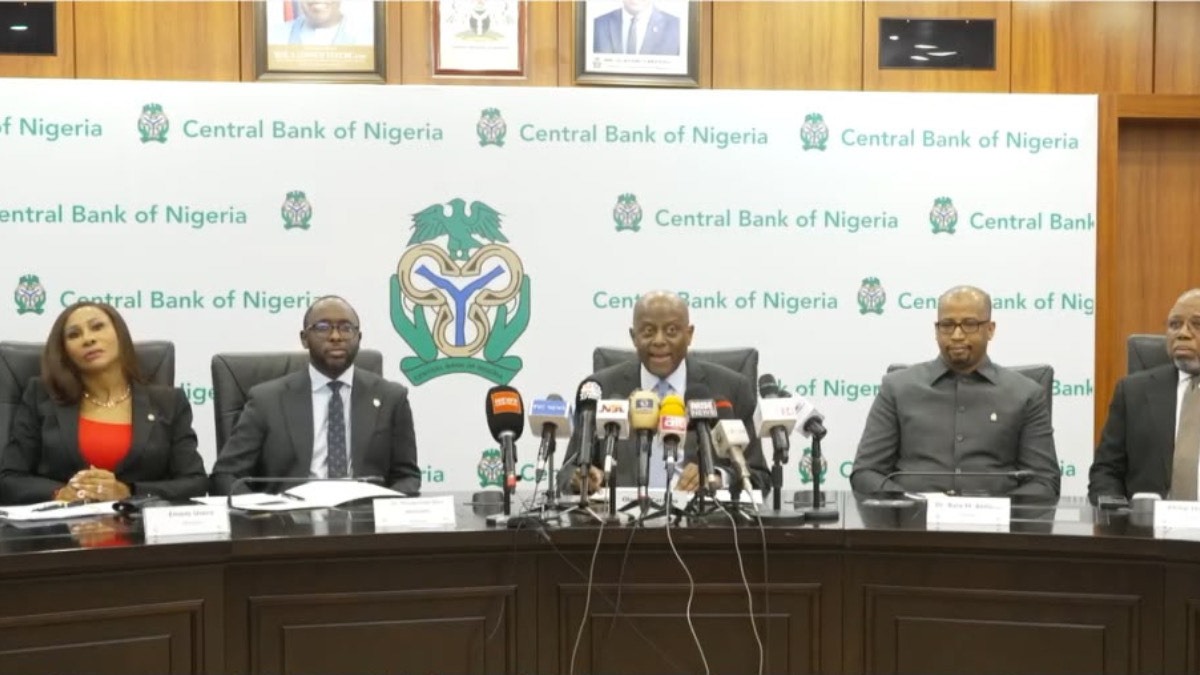
The increase in private sector credit comes against the backdrop of the CBN’s decision to retain its benchmark Monetary Policy Rate at 26.5 percent as part of efforts to moderate inflation and maintain price stability.
At its 306th Monetary Policy Committee meeting held on July 20 and 21, the apex bank left all key monetary policy parameters unchanged, including the Cash Reserve Ratio and the Standing Lending and Deposit Facility corridors.
The decision reflects the CBN’s cautious approach to balancing inflation control with the need to sustain economic growth and financial system stability.
Although elevated interest rates typically raise borrowing costs, the latest data suggests credit expansion remained resilient during June, with businesses continuing to access financing from the banking sector.
Analysts say sustained growth in private sector lending will remain important for supporting investment, job creation and broader economic expansion, particularly as policymakers seek to stimulate productivity while keeping inflation under control.

Ogochukwu Onwaeze is a writer specializing in business and economic journalism. At THEWILL News Media, she translates market trends, financial developments, and policy shifts into clear and engaging stories.
