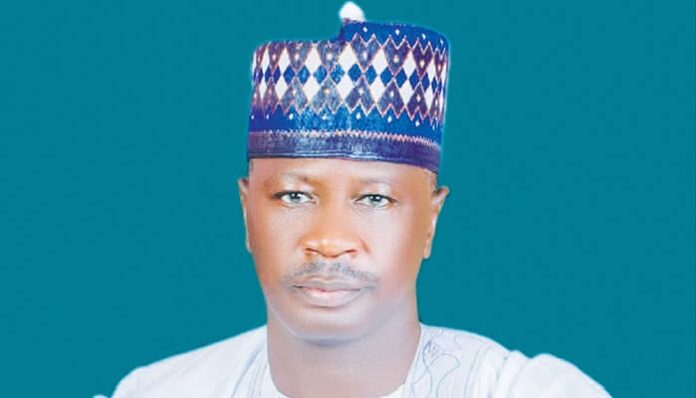
August 20, (THEWILL) — The Security Adviser to the Governor of Sokoto State, Col. Ahmed Usman (rtd), has raised concerns over the growing trend of multiple security agencies in Nigeria establishing their own special forces units.
He warned that the proliferation of such elite teams could weaken national security rather than enhance it.
Speaking to journalists, Col. Usman called for the creation of a single, centralised national special operations force that would operate independently of existing conventional security formations.

He argued that a unified structure would foster better coordination, discipline, and focus in addressing the country’s escalating security challenges.
“Now Nigeria Navy, Nigeria Air Force, Nigeria Police, State Security Service, Department of State Services and Nigeria Security and Civil Defence Corps. Basically, some of these agencies handle domestic intelligence and have personnel trained for special operations.
Usman emphasised that while the concept of special forces is essential for modern national security operations, its replication across various agencies without a central command structure is counterproductive.
According to him, this trend risks diluting the effectiveness of the forces, creating overlaps in roles, and fostering unhealthy competition among security agencies.
“The army has, for a long time, owned a special unit where special forces are trained, and rightly so. That unit has been specifically developed to handle unconventional threats.
“This should not be unnecessarily replicated by other agencies, as doing so may only lead to confusion, redundancy, and rivalry”, he cautioned.
Usman made it clear that his concern was not to downplay the role of other security outfits but to ensure that the country’s security strategy remains coherent and focused.
“I know, and I must commend the role of other agencies in the maintenance of peace and order in the country, but they should not seem to be competing in creating special forces. That approach will only breed disorder and stretch already limited resources.”
Drawing comparisons with international standards, he noted that in most developed countries, special operations forces are structured as standalone entities with specific mandates and operate under a unified national command.
“This, he said, ensures they are not hampered by bureaucratic wrangling or inter-agency friction.
“In countries like the United States and the UK, special forces are not fragmented across every agency. They are unified, highly disciplined, and trained for unconventional warfare and critical missions that require advanced capabilities”, he noted.
He further warned that the fragmentation of special forces into multiple agency-controlled units could erode professionalism, disrupt the chain of command, and weaken accountability.
He stressed that a single, elite national unit would enhance intelligence-sharing, operational cohesion, and overall strategic response to threats like terrorism, banditry, and organised crime.
“This trend can lead to confusion, lack of accountability, and even conflict among operatives from different units. It also stretches resources thin and reduces the effectiveness of our security strategy as a nation”, he warned.
To address these concerns, Usman called on the Federal Government to take decisive steps in streamlining the country’s security architecture.
He proposed the formation of an independent national special operations force, composed of elite personnel drawn from various agencies based on merit.
“This force, he said, should be trained under a unified doctrine and operate under a central command structure”, he noted.
The Security Adviser also stressed the importance of fostering a culture of joint operations and intelligence sharing, which he described as more effective in dealing with the complex security environment Nigeria faces.
“We need to return to the drawing board and restructure our security system. The enemy is united and strategic, so our response must also be coordinated and focused”, he concluded.

Tunde Omolehin is an award-winning Journalist with prose in investigative and storytelling that is connecting the dots between the under-reported communities and policymakers to ensure good governance and accountability.