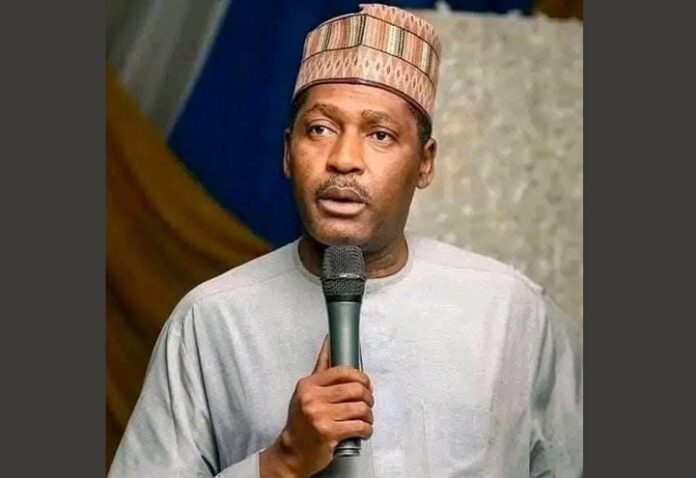
November 25, (THEWILL) — The Special Adviser to the President of the Senate on Diaspora and NGOs, Dr Jibril Lawal Tafida, has warned that Nigeria’s democracy will remain fragile unless young people and women are deliberately integrated into the country’s governance structures.
Speaking at the Youth and Women Inclusiveness in Governance Summit organised by the Coalition of Northern Youth and Women for Good Governance, Tafida said the effective participation of these groups is fundamental to securing the nation’s democratic future.
“Our democracy is incomplete if it ignores the voices and talents of more than 60% of our population, including youth and women.

“Their energy, innovation, and resilience are among Nigeria’s greatest assets. If properly harnessed, they can drive economic growth, social stability, and meaningful political transformation”, he explained.
He called on political leaders, civil society organisations, the media, and Nigerians in the diaspora to work together toward building a more inclusive system that reflects the country’s diversity.
According to him, only a collective effort can guarantee a just and prosperous future for all.
Tafida noted that the political space remains heavily dominated by older elites, a trend sustained by prohibitive campaign costs, entrenched godfatherism, and deep-rooted cultural norms that limit opportunities for women and young people.
These barriers, he stressed, must be dismantled for Nigeria’s democracy to mature.
Describing corruption as a pervasive problem eroding public trust, he urged young Nigerians to become active champions of accountability by participating in civic processes, joining political parties, contesting elections, and demanding transparency from institutions.
“Young Nigerians must not only demand change, they must become the change-makers”, he said.
Participants at the summit, including youth leaders, women’s rights advocates, civil society representatives, and government officials, expressed concern over the persistent exclusion of women and young people from leadership, despite their demographic strength.
They highlighted longstanding structural and cultural obstacles that continue to hinder access to political power.
The event ended with renewed calls for stronger political will and concrete reforms to ensure inclusive governance, strengthen democratic institutions, and open more pathways for youth and women to take on meaningful leadership roles in Nigeria.

Tunde Omolehin is an award-winning Journalist with prose in investigative and storytelling that is connecting the dots between the under-reported communities and policymakers to ensure good governance and accountability.