
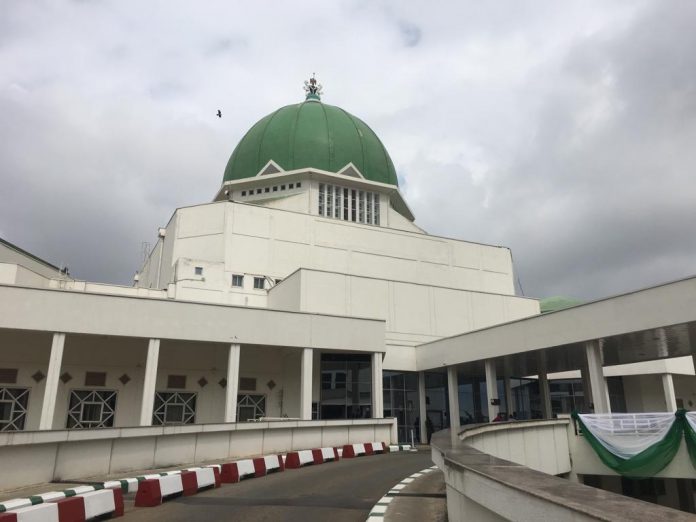
October 19, (THEWILL) — The ongoing proposal by the National Assembly to move the conduct of presidential and governorship polls to November, 2026, for the purpose of a proactive approach to election litigation is a welcome development. It would be a significant departure from the past when defendants contest litigations while in office. There is, however, more to the proposal.
Particularly salutary in the entire package are two other significant proposals beside the move to ensure that all post-election litigations are concluded before winners are sworn in on May 29, 2027. They are that the electronic transmission of results would be mandatory, with penalties for non-compliance and to allow voting for those who provide essential services on election days –security personnel, accredited journalists, medical personnel, accredited observers and INEC staff- two weeks before polling day.
Explaining the details of the proposal last week, the Chairman of the House Committee on Electoral Matters, Hon. Adebayo Balogun said the move is designed to ensure that all kinds of election litigations are dispensed with before the winners are sworn-in.

He added that the National Assembly plans to amend sections 285 and 139 of the 1999 Constitution to shorten the timelines for election petitions. This means reducing tribunal judgments from 180 to 90 days, appellate court decisions from 90 to 60 days and ensuring that the entire judicial process does not exceed 185 days. This means that elections will be held six months before the incumbent vacate office in May.
All is well and good, but this aspect on judgement days looks like a flip of the other side of the coin. Either way, the incumbent president or governor will still be in office.
Given the power that executives wield and the bureaucratic structure under which Judges work, this proposal may be counterproductive. The main reason is that it is the perceived unfairness in judicial ruling that make litigants take their cases to the Supreme Court, thus lengthening the days for litigations.
Without sounding condemnatory and sweeping in our view, we suggest that the lawmakers take a look at the prevailing proposals by stakeholders, including INEC, that a special, dedicated court be assigned the role of tackling and dispensing with election litigations.
Currently, a petitioner has 21 days from the date of the declaration of results by INEC, to file an election petition. Then, an election tribunal holds a pre-hearing session to determine jurisdiction and address, preliminary objections and fix time for subsequent proceedings. Then, the main hearing follows, after which judgement is delivered.
Dissatisfied with the ruling, as has always been the case without exception, the petitioner then proceeds to the appellate courts, the appeal and supreme courts, to give final judgement. While these political cases are being heard, civil and criminal trials stay in abeyance with correctional service centres teeming with awaiting trial suspects.
To cut the day for litigation, the dedicated court system should also operate within set timelines.
For instance, it can set less than a week’s deadline for any petitioners to file cases and serve their responses and even their rejoinders.
Political parties can make interlocutory applications within two weeks after response to the petition. These submissions should be replied within a two- week timeline.
This is not rocket science. Kenya’s Special Court discharges election petitions within 14 days. Nigeria can do it within a month. Our tendency to involve the election petition tribunals, then appellate courts and Supreme Court has always been the reason why the timeline elongates to over 180 days of litigation!
There is no doubt that all these legal arrangements are designed to ensure the justice, fairness and transparency denied the petitioner during the voting process are addressed. Would it not be better and serve the same purpose if our electoral system was designed to ensure free and fair elections? That, in our considered view, should be the thrust of the constitutional and electoral amendments. If litigants are made to see the fairness in election results, they are more likely to accept the outcome.
That is why we call for a credible election process, adherence to rules of engagement and quick response in apprehending and punishing offenders. So far, the lawmakers have demonstrated some seriousness in the proposals, especially on the electronic transmission of results, whereby stiffer penalties are being proposed for Presiding Officers, who fail to ensure transmission of results, including the total number of accredited voters, to the collation centres, both electronically and manually. The proposed one-year jail or a fine of N1million for any such officers, including those who issue unstamped results sheets, should be without recourse to legal appeal.
Ultimately, election results delivered by the electorate are better than victories won through the courts.

