
March 24, (THEWILL) – The World Health Organisation (WHO) has said Africa recorded a 26 per cent reduction in Tuberculosis (TB) deaths between 2015 and 2021.
WHO Regional Director for Africa, Dr Matshdiso Moeti, in her message to mark the 2023 World TB Day, said significant progress has been made in eradicating TB in Africa.
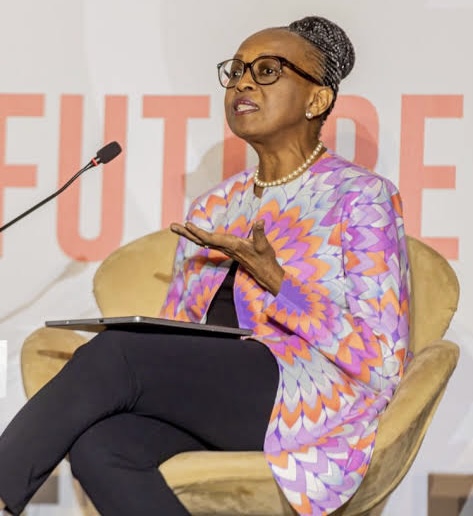
Speaking on the theme, “Yes, We Can End TB”, Moeti said there was a need to ensure equitable access to prevention and care, in line with the country’s drive towards Universal Health Coverage and Sustainable Development Goals.

“WHO in the African region is now on the threshold of reaching a 35 per cent TB death reduction: there has been a 26 per cent reduction in TB deaths between 2015 and 2021.
“Seven countries — Eswatini, Kenya, Mozambique, South Sudan, Togo, Uganda and Zambia have reached a 35 per cent reduction in deaths since 2015,” she said.
Moeti said Nigeria has significantly increased its national TB case finding by 50 per cent in 2021, using innovative approaches such as the expansion of the daily observed treatment protocols.
She said others are the use of digital technologies, community active case finding, and enlisting public-private mix initiatives.
Moeti said through technical support, advocacy and effective partnerships, enormous progress has been made over the past decade, especially in the East and Southern African Regions.
According to her, high-burden countries like Ethiopia, Kenya, Lesotho, Namibia, South Africa, Tanzania and Zambia have surpassed or reached the 20 per cent target of reducing new TB cases.
Moeti showed delight that member States are increasing the uptake of new tools and guidance recommended by WHO, resulting in early access to TB prevention and care and better outcomes.
She said the use of rapid diagnostic testing in African countries has increased from 34 per cent in 2020 to 43 per cent in 2021, thereby improving the countries’ ability to detect and diagnose new cases of the disease.
According to her, it is particularly important to find and diagnose cases of TB so that the patients can be treated, and their contacts offered preventive medication.
“Nigeria is an example of a country that managed to significantly increase national TB case finding by 50 per cent in 2021, using innovative approaches such as the expansion of the daily observed treatment protocols, use of digital technologies, Community Active Case Finding, and enlisting Public Private Mix initiatives,” she said.
Moeti added that TB required concerted action by all sectors: from communities and businesses to governments, civil society and others.
She said counties must work together to develop innovative approaches to reach vulnerable populations and ensure that they have access to quality TB care and management.
According to her, the day is commemorated to raise public awareness about the devastating health, social and economic consequences of this preventable disease and call for accelerated action to end it.
“In 2021, with a clear roadmap, the WHO in the African region showed that it is possible to reach and even surpass the first milestone of the End TB Strategy (20 per cent reduction by 2020), with a decline rate of 22 per cent in new infections since 2015,” Moeti said.