July 20, (THEWILL) — Nigeria’s economic landscape has changed significantly in 2026. Across banking, taxation, foreign exchange, digital assets, corporate governance and industrial development, regulators have accelerated reforms aimed at strengthening the economy, improving transparency and attracting investment.
While some of these changes are already affecting businesses and investors, others are laying the foundation for long-term growth. Here are ten major reforms that are reshaping Nigeria’s economy this year.
1. Nigeria Unifies Oversight of Virtual Assets
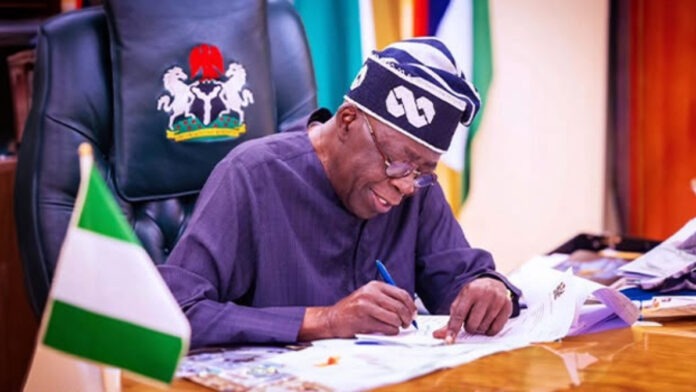
Nigeria took a major step towards regulating its digital economy after President Bola Tinubu signed an Executive Order establishing a coordinated framework for virtual assets. The move created a Virtual Asset Council comprising the Central Bank of Nigeria (CBN), Securities and Exchange Commission (SEC), Nigeria Revenue Service (NRS), and other key agencies.

The reform seeks to eliminate years of overlapping responsibilities as cryptocurrencies and digital assets increasingly blur the lines between payments, investments and taxation. Rather than creating another regulator, the framework aligns existing institutions under a single coordination mechanism.
For investors and businesses operating in the digital asset space, the reform provides greater regulatory clarity while strengthening consumer protection and reducing opportunities for fraud and illicit financial activities.
2. Banking Regulation Enters a New Era
The Central Bank of Nigeria has proposed sweeping reforms to the country’s Financial Holding Company framework, marking the biggest review of the rules since their introduction more than a decade ago.
Among the proposed changes are stricter governance standards, simplified group structures, and a requirement for HoldCos to maintain additional capital buffers. Analysts estimate that some banking groups could be required to raise significant fresh capital if the proposals are eventually adopted.
Although the framework remains in draft form, it signals the regulator’s determination to strengthen financial stability while preparing Nigeria’s banking industry for the next phase of growth.
3. Foreign Exchange Reforms Go Digital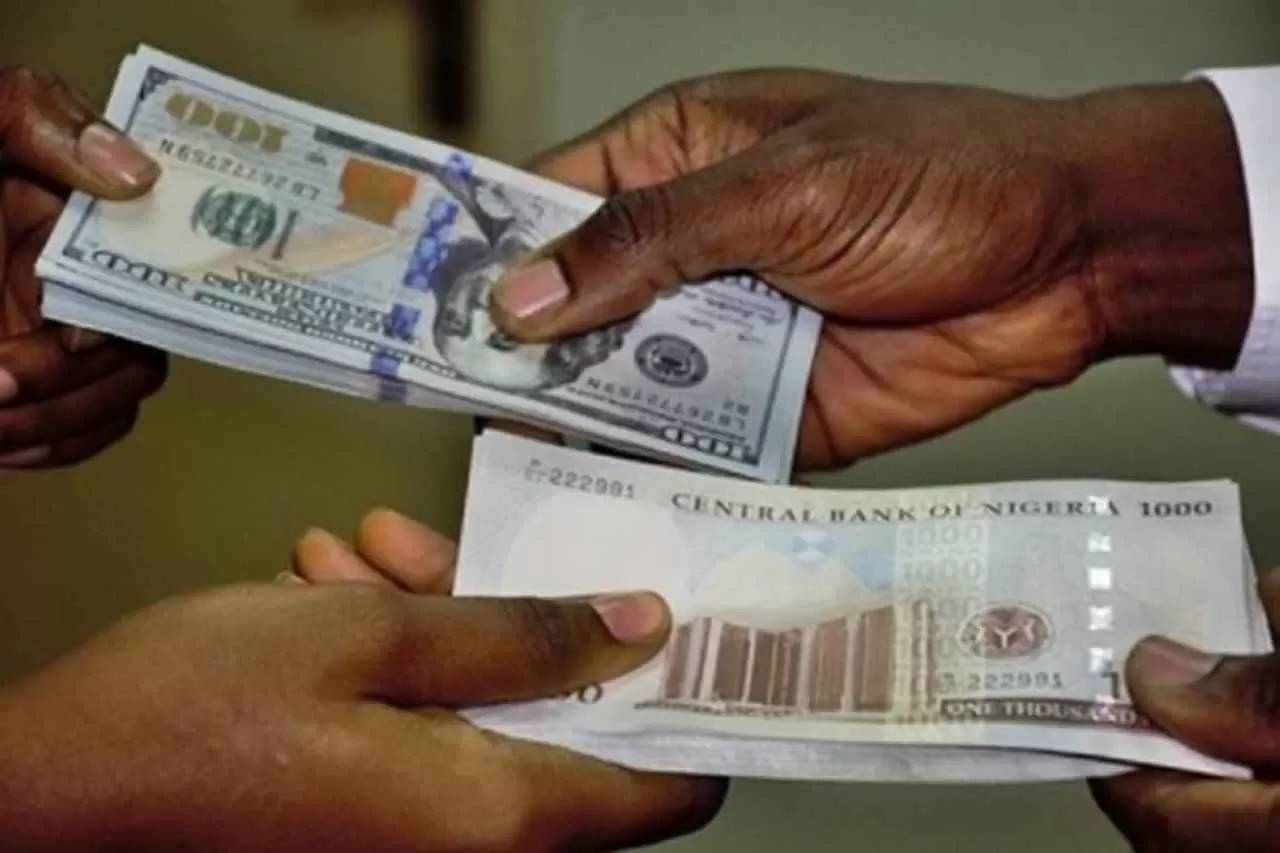
The CBN introduced the FX BDC Purchase Tracker (FXBT), a centralised digital platform designed to monitor foreign exchange transactions involving Bureau De Change operators in real time.
The apex bank also directed BDCs to return unused foreign exchange purchased from the official market within 24 hours after the utilisation period expires, a move aimed at discouraging speculation and improving transparency.
Together, the reforms represent another milestone in Nigeria’s broader effort to build a more efficient, transparent, and market-driven foreign exchange system.
4. Digital Identity Becomes National Infrastructure

Nigeria strengthened its digital identity architecture after NITDA transferred the country’s Public Key Infrastructure (PKI) to the National Identity Management Commission (NIMC).
The development follows the signing of the new NIMC Act, which positions the Commission at the centre of Nigeria’s digital identity ecosystem and establishes the National Identification Number (NIN) as the country’s primary identity credential.
The reform is expected to improve digital authentication, strengthen cybersecurity, and support the expansion of government digital services.
5. Power Sector Reform Enters a New Phase
Electricity sector reforms continued in 2026 as states assumed greater responsibilities following the constitutional amendment that decentralised electricity regulation.
Several states have begun establishing their own electricity markets while attracting private investment into generation, transmission, and distribution infrastructure to improve supply.
The gradual decentralisation is expected to encourage competition, reduce pressure on the national grid and improve electricity access across the country.
6. Corporate Compliance Gets Tougher
The Corporate Affairs Commission intensified enforcement by moving to strike off thousands of inactive companies that failed to file annual returns or comply with statutory obligations.
The exercise forms part of broader efforts to improve corporate governance, enhance transparency and maintain an accurate register of legally operating businesses in Nigeria.
For companies, the message is clear: regulatory compliance is no longer optional, and defaulting businesses now face greater consequences.
7. Investor Protection Takes Centre Stage
The Securities and Exchange Commission launched a nationwide campaign to help investors recover unclaimed dividends and other funds held under the National Investor Protection Fund.
The initiative seeks to reconnect Nigerians with legitimate investments that have remained dormant due to incomplete documentation, changes in ownership, or lack of awareness.
Beyond recovering lost funds, the campaign reflects renewed efforts to rebuild confidence in Nigeria’s capital market and strengthen investor participation.
8. Nigeria Bets on Value Addition

Government policy is increasingly shifting away from exporting raw commodities towards processing them locally to create jobs and generate higher export earnings.
Initiatives supporting cocoa processing, dairy production, and livestock development, alongside new financing from institutions such as the Bank of Industry, reflect this strategy.
The broader objective is to transform Nigeria from a supplier of raw materials into a producer of finished and higher-value products.
9. Nigeria Strengthens External Buffers

Improved crude oil production, stronger foreign exchange management and efforts to rebuild external reserves have helped reinforce Nigeria’s financial position in 2026.
Higher oil output and better market stability have supported investor confidence while helping to narrow the gap between official and parallel market exchange rates.
Although global risks remain, the stronger external buffers provide greater resilience against future economic shocks.
10. Government Expands Revenue Collection
The Nigeria Revenue Service accelerated tax administration reforms through the rollout of electronic invoicing and stricter compliance measures for large taxpayers.
Businesses with annual turnover above ₦5 billion are now required to adopt the national Electronic Fiscal System, allowing tax authorities to monitor transactions more efficiently.
The reforms are expected to improve revenue collection, reduce leakages, and strengthen the government’s fiscal capacity without imposing entirely new taxes.
Nigeria’s reform agenda in 2026 extends beyond individual policy announcements. Taken together, these initiatives reflect a broader effort to modernise regulation, strengthen institutions and create a more competitive economy. While their long-term success will depend on consistent implementation, they already represent some of the most significant economic changes shaping the country’s future.

Ogochukwu Onwaeze is a writer specializing in business and economic journalism. At THEWILL News Media, she translates market trends, financial developments, and policy shifts into clear and engaging stories.