
-
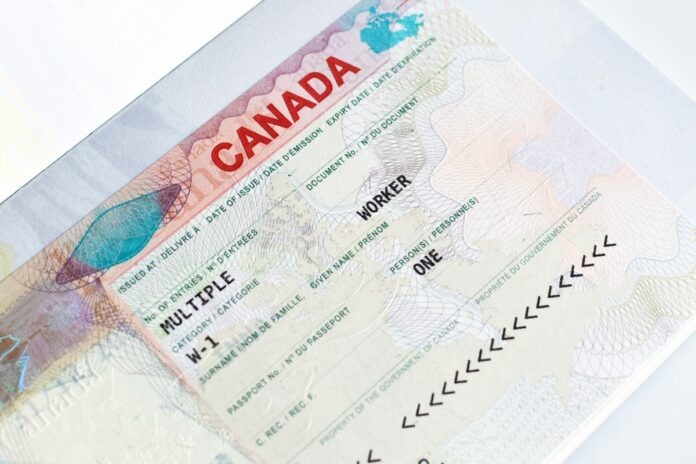
Immigration, Refugees and Citizenship Canada caps study permit applications at 309,670 globally for 2026.
-
Undergraduate and college diploma applicants must obtain a Provincial Attestation Letter before submitting their visa files.
-
Master’s and PhD candidates are exempt from provincial attestation quotas as Ottawa targets research talent.
-
Post-Graduation Work Permits are now restricted to specific fields like healthcare, technology, engineering, and skilled trades.
July 20, (THEWILL) — The predictable pathway that thousands of young professionals across Nigeria, Ghana, and Kenya used to access Canadian post-secondary education has been fundamentally restructured.
Facing growing domestic pressure over housing supply and public service capacity, Immigration, Refugees and Citizenship Canada (IRCC) has rolled out sweeping operational changes.
Getting accepted by a Canadian school is no longer the main hurdle. The real challenge is navigating provincial quotas and stricter financial verification rules at the visa office.

At the core of the new system is a strict limit on foreign student intake. For 2026, Canadian immigration authorities will consider a maximum of 309,670 study permit applications worldwide.
To manage this cap, provinces now operate under fixed intake allocations. Students applying for undergraduate degrees or college diploma programs must secure a Provincial Attestation Letter (PAL) or Territorial Attestation Letter (TAL) before filing their visa papers.
Without that provincial attestation letter attached, visa officers will reject the application automatically without reviewing the rest of the file. Because each province distributes a limited batch of letters to its schools, slots in popular provinces like Ontario and British Columbia are filling up earlier in the academic cycle.
“Applications submitted without a valid Provincial Attestation Letter will not be processed by IRCC and will be returned immediately. The document serves as official confirmation from the host province that the student fits within its allocated federal quota.” __Immigration, Refugees and Citizenship Canada (IRCC)

Why Master’s and PhD Applicants Retain an Advantage
While undergraduate and diploma applicants face tight quota limits, advanced research candidates are getting a much smoother path through the process.
Students applying for Master’s and doctoral programs are completely exempt from the PAL requirement. By removing attestation limits for postgraduate scholars, Canadian authorities are prioritising specialised research talent.
This gives advanced candidates a direct route through visa processing without fighting for provincial allocation slots.

Deeper Financial Audits and Targeted Work Permits
Financial verification rules have also tightened significantly. Visa officers are applying far more scrutiny to bank records, requiring applicants to show clear, verifiable proof of liquid funds covering full tuition, travel, and living expenses without relying on local off-campus work.
At the same time, the Post-Graduation Work Permit (PGWP) policy has been realigned with national labour market demands.
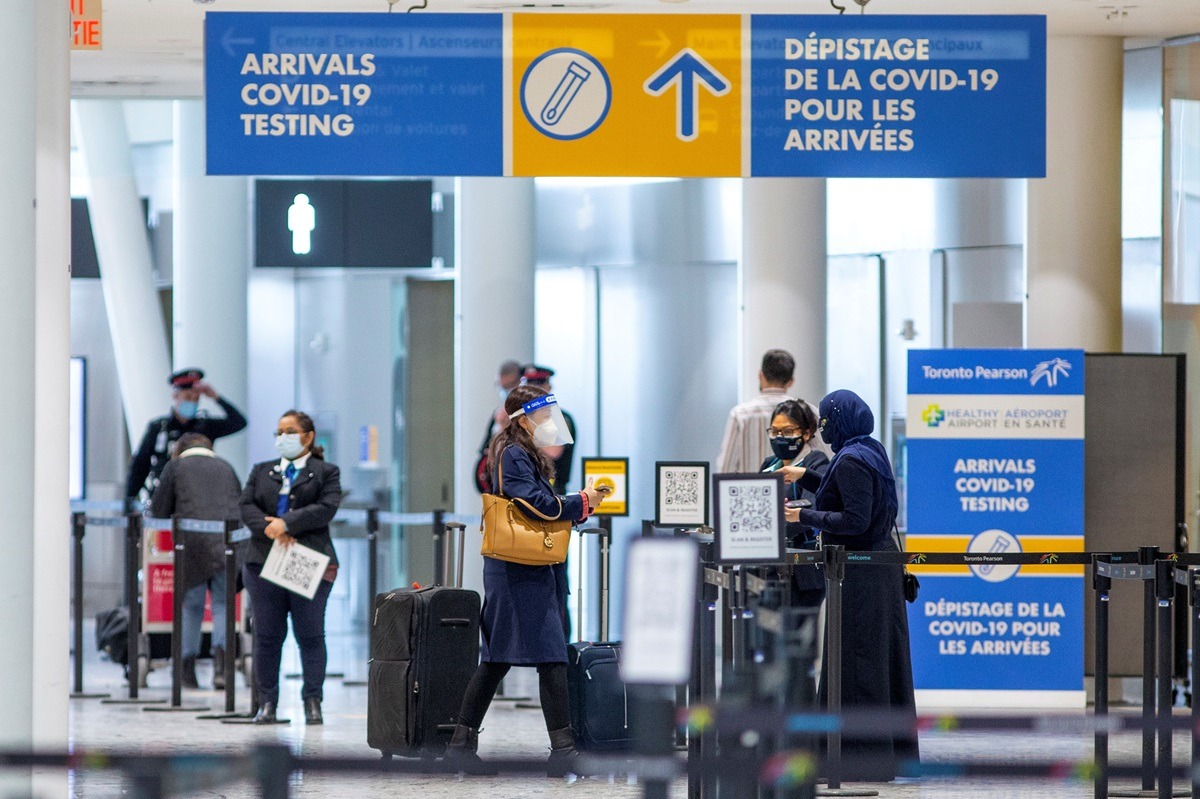
Multi-year work authorisations will no longer be awarded automatically across every field. Instead, priority will go to graduates from high-demand sectors:
Healthcare and Social Care: Nursing, medical technology, and clinical care.
Technology and Engineering: Software development, artificial intelligence, and civil infrastructure.
Skilled Trades: Construction management, electrical work, and industrial maintenance.
For African applicants planning their next move, course selection is no longer just an academic decision. It is a core factor in long-term visa approval and post-study work eligibility.

