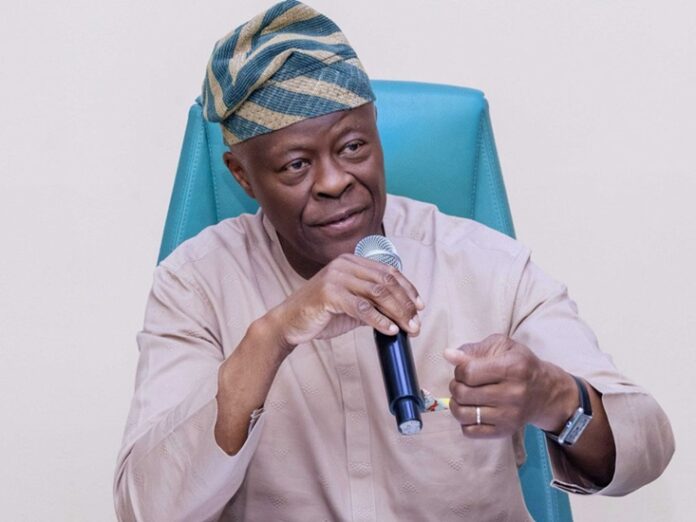
November 07, (THEWILL) — Nigeria’s successful $2.35 billion Eurobond issuance has been described by Finance Minister Wale Edun as a clear reflection of renewed global confidence in the country’s economic direction and fiscal reforms.
According to Edun, the oversubscribed bond sale marks Nigeria’s return to the international debt market after a three-year break, signalling improved investor sentiment following months of policy realignment under the Bola Tinubu administration.
He explained that the Eurobond, issued in three tranches with tenors ranging from five to ten years, attracted robust participation from global investors, including fund managers, pension funds, and sovereign wealth institutions. The strong demand, he said, underscores Nigeria’s credibility and the growing appeal of its reform agenda focused on fiscal discipline, market liberalisation, and improved transparency.

“The success of this Eurobond offering demonstrates confidence in Nigeria’s economic resilience and the far-reaching reforms we’ve embarked on,” Edun noted. “It reaffirms that investors recognise the country’s long-term growth potential despite global headwinds.”
Proceeds from the Eurobond are expected to be channelled toward financing critical infrastructure projects, supporting budget implementation, and stabilising foreign exchange liquidity, a key objective in Nigeria’s broader macroeconomic recovery plan.
Market observers believe the deal could ease external financing pressures and improve foreign reserves, providing short-term support for the naira while strengthening the country’s sovereign credit outlook. However, they also caution that sustained investor trust will depend on Nigeria’s ability to manage debt prudently and deepen structural reforms that drive private-sector productivity.
It is noted that the timing of the Eurobond issue amid tightening global credit conditions and elevated yields in emerging markets makes Nigeria’s successful subscription particularly significant. It reflects a growing global appetite for Nigerian assets, buoyed by fiscal transparency efforts and stabilising inflation trends.
As Nigeria repositions itself within the global financial landscape, the Finance Ministry reaffirmed its commitment to balancing growth with debt sustainability, ensuring that future borrowing aligns with measurable development impact and long-term fiscal health.

Ogochukwu Onwaeze