
October 19, (THEWILL) — Nigerians remember the long queues at polling units in February 2023, where voters endured hours under the sun only to watch results disappear into digital voids. The recent Senate confirmation of Professor Joash Ojo Amupitan as chair of the Independent National Electoral Commission carries expectations of change, though those expectations are tempered by the bitter experience of previous electoral failures and concerns about the new chair’s alleged past associations with the ruling All Progressives Congress legal team.
The confirmation on Thursday officially concluded Professor Mahmood Yakubu’s decade-long tenure with a three-hour Senate session that passed by voice vote. Amupitan, a law professor from the University of Jos and Senior Advocate of Nigeria since 2014, offered a clear pledge that elections under his watch will be transparent and credible, with winners and losers accepting declared results. That promise now stands as the measure by which his tenure will be judged, particularly given that surveys from early 2023 indicated only 23 percent of citizens placed trust in the commission, a figure that declined further after the elections. You cannot have a democracy when elections do not reflect the will of the voters.
The difficulties confronting the commission span several election cycles, yet the 2023 general election exposed fractures deep enough to shake the foundations of public confidence. Participation fell to just 27 per cent, the lowest since 1999, as voters grew disheartened by a system that appeared rigged against them. The Bimodal Voter Accreditation System was reportedly effective in confirming voters through fingerprints and facial scans, representing genuine progress over earlier manual methods prone to fraud. Yet, the real catastrophe was in result transmission.

The INEC Result Viewing Portal, designed to display polling unit counts in real time for public scrutiny, suffered multiple breakdowns during the presidential race on 25 February. Officials attributed these failures to configuration errors and capacity problems, but those technical explanations offered little comfort to millions facing blank screens whilst allegations of tampering spread. The European Union observer mission, in its June 2023 assessment, documented how these defects damaged confidence and urged immediate improvements to electronic systems.
These operational failures cannot be separated from the political pressures that shape the commission’s work. Appointments to senior positions frequently reflect the preferences of the governing party, with the executive wielding considerable influence over selections despite constitutional requirements for balance. Some early reactions to Amupitan’s nomination rallied against it based on unverified claims of the professor’s involvement with the APC in previous legal disputes. This was viewed as a threat to his perceived neutrality. While these concerns were not fully addressed during the Senate screening, checks have shown them to be fabricated as Amupitan was never a part of any legal representation of the President.
Still the challenges facing the electoral umpire are compounded by financial constraints. The commission requested N126 billion for 2025 operations, but received substantially less, restricting its ability to deliver materials promptly and prepare staff adequately. More than 100,000 temporary workers managed polling duties in 2023, many lacking proper training in impartial conduct. Reports catalogued over 1,000 instances of irregularities, from ballot box stuffing to voter intimidation, illustrating how inadequate support for workers leads to breakdowns in rule enforcement.
Kenya offers a sobering parallel. The Supreme Court voided the 2017 presidential result over comparable transmission failures, prompting legislation for result verification, though implementation faltered and left disputes unresolved. Nigeria has little room for such patterns to repeat. These problems did not emerge overnight but have grown from prolonged failures of oversight, where political leaders treat the commission as part of their machinery rather than as guardian of collective choice.
Rebuilding trust requires concrete actions that emphasise independence from political control. I support constitutional amendments to guarantee funding as a critical first step and allocating a fixed share of national revenue directly to the commission without executive interference.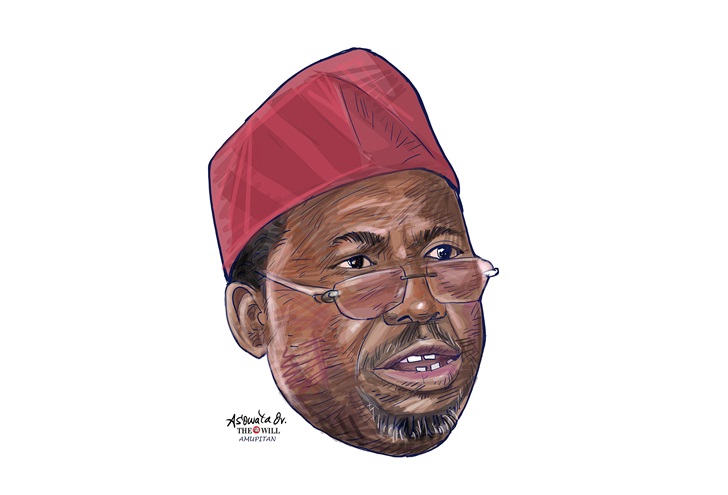
I must also state that the electronic systems demand particular attention. The pledge to examine the Result Viewing Portal must be followed by transparent disclosure of findings and testing of reliable alternatives, including blockchain-based systems for result posting. Apart from wilful human interference, the 2023 failures stemmed partly from basic capacity overloads, problems solvable through comprehensive evaluation that includes improved connectivity and backup systems. Adding verification stages confirmed by observers at each phase would ensure no weak link disrupts the chain.
The constitutional amendment must include using the NIN as a critical means of voter identification. A system that links voter registration with the NIN will improve the ease of voter registration, identification and voting on election day. This technology will significantly reduce voter fraud on the field because votes can easily be audited at the end of elections.
Personnel quality also matter. A nationwide programme for ethics training should commence as soon as possible, drawing on international best practices. Staff assignments should rotate between regions to reduce area-specific bias. Monitoring through independent reviews, with dismissal for violations, would create an environment where accountability outweighs loyalty. This addresses the human factors behind numerous documented failures, including delayed openings and mismatched documentation.
INEC must also move beyond announcements to active dialogue. Quarterly meetings across all 36 states should gather residents, youth organisations and community leaders to share concerns and monitor preparations. Voter education campaigns must reach remote areas through radio broadcasts and mobile outreach, explaining procedures and safeguards whilst aiming to lift participation from 27 per cent to 70 per cent in local races. Parallel counting exercises would produce independent tallies to verify results and strengthen confidence.
The national conversation about electoral reform cannot rest on hope alone. Voters deserve a clear, timebound plan explaining what will be done, who will do it, and when results can be expected. That document would demonstrate whether pledges have translated into action and create a benchmark for accountability. Regular updates describing progress in accessible language must follow, with transparent accounts of technical faults and a public record of decisions taken when standard procedures cannot be followed.
The commission’s first year under Amupitan’s leadership will prove decisive starting with the Anambra State election. Civil society must maintain scrutiny through documented observation, holding the institution accountable without pause. Political parties ought to accept that credible elections benefit everyone ultimately, even when short-term losses prove painful. Run as it should, every true democracy carries the implications that voters possess the final authority. It encourages them to register, turn out, and exercise their rights to determine who their leaders should be. It is time that INEC respects these rights and truly makes our ailing democratic practice roar back to life.
The new INEC chairman made a promise to deliver transparent elections that losers will accept the outcome and congratulate winners. The nation must hold him to it through specific, measurable and persistent demands. That represents the only practical path from words to lasting change, from doubt to the possibility of restored faith in democratic choice.