
-
Brent crude slipped below $80 per barrel after renewed progress in US-Iran talks boosted hopes of reopening the Strait of Hormuz, easing concerns over global oil supply disruptions.
-
Senior US officials said negotiations were advancing, prompting a sharp decline in both Brent and WTI prices as traders anticipated improved crude exports through one of the world’s busiest energy corridors.
-
Despite the fall in crude prices, motorists in Nigeria, the US and the UK continue to face elevated fuel costs, while uncertainty remains as Washington and Tehran have yet to conclude a formal agreement.
August 5, (THEWILL) — Brent crude fell below $80 per barrel on Tuesday after renewed optimism over negotiations between the United States and Iran eased fears of prolonged disruptions to global oil supplies through the Strait of Hormuz.
The international oil benchmark dropped by almost five per cent to around $79 per barrel, while US West Texas Intermediate (WTI) crude fell more than five per cent to about $76 per barrel, according to Oilprice.com.
The decline marked the lowest level for both benchmarks since July 13.

The sell-off followed comments by senior US officials suggesting that discussions aimed at restoring commercial shipping through the Strait of Hormuz were making progress, raising hopes that one of the world’s most important energy corridors could soon reopen fully.
Diplomatic progress lifts market confidence
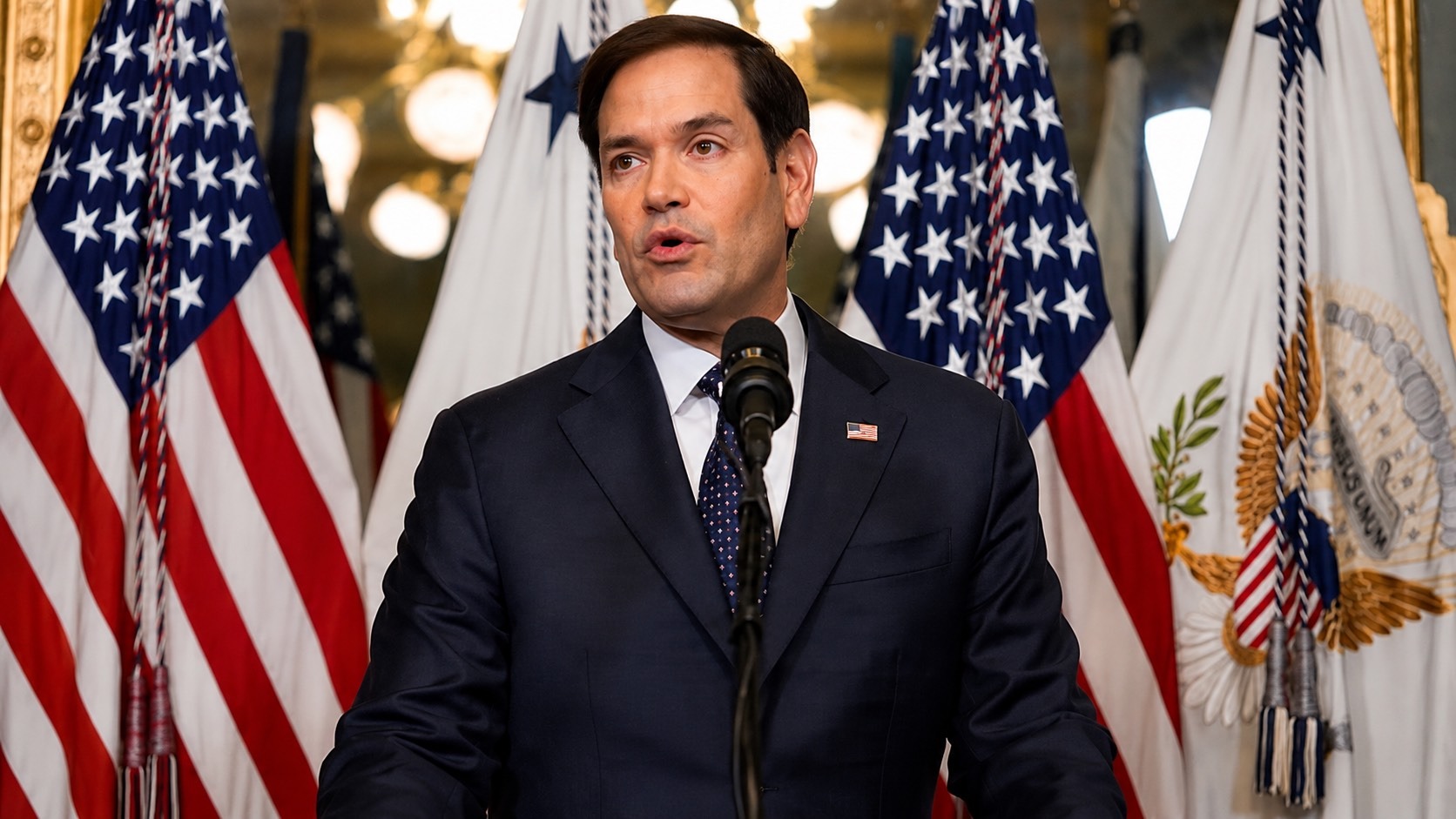
According to the BBC, US Secretary of State Marco Rubio said negotiations had advanced, although a final agreement had yet to be reached.
“There’s been progress made in those talks, but not finality yet. We’re hoping that will happen very shortly,” Rubio told reporters at the State Department.
US Treasury Secretary Scott Bessent also expressed optimism that an agreement could emerge within days.
“There’s a chance we may have a deal today or tomorrow to open the strait and move towards a more normalised position in this conflict,” he told CNBC, describing the objective as restoring “freedom of movement” for commercial vessels.
The comments immediately calmed oil markets, with traders anticipating that crude exports could normalise if shipping restrictions through the Strait of Hormuz are eased.
Why Hormuz matters
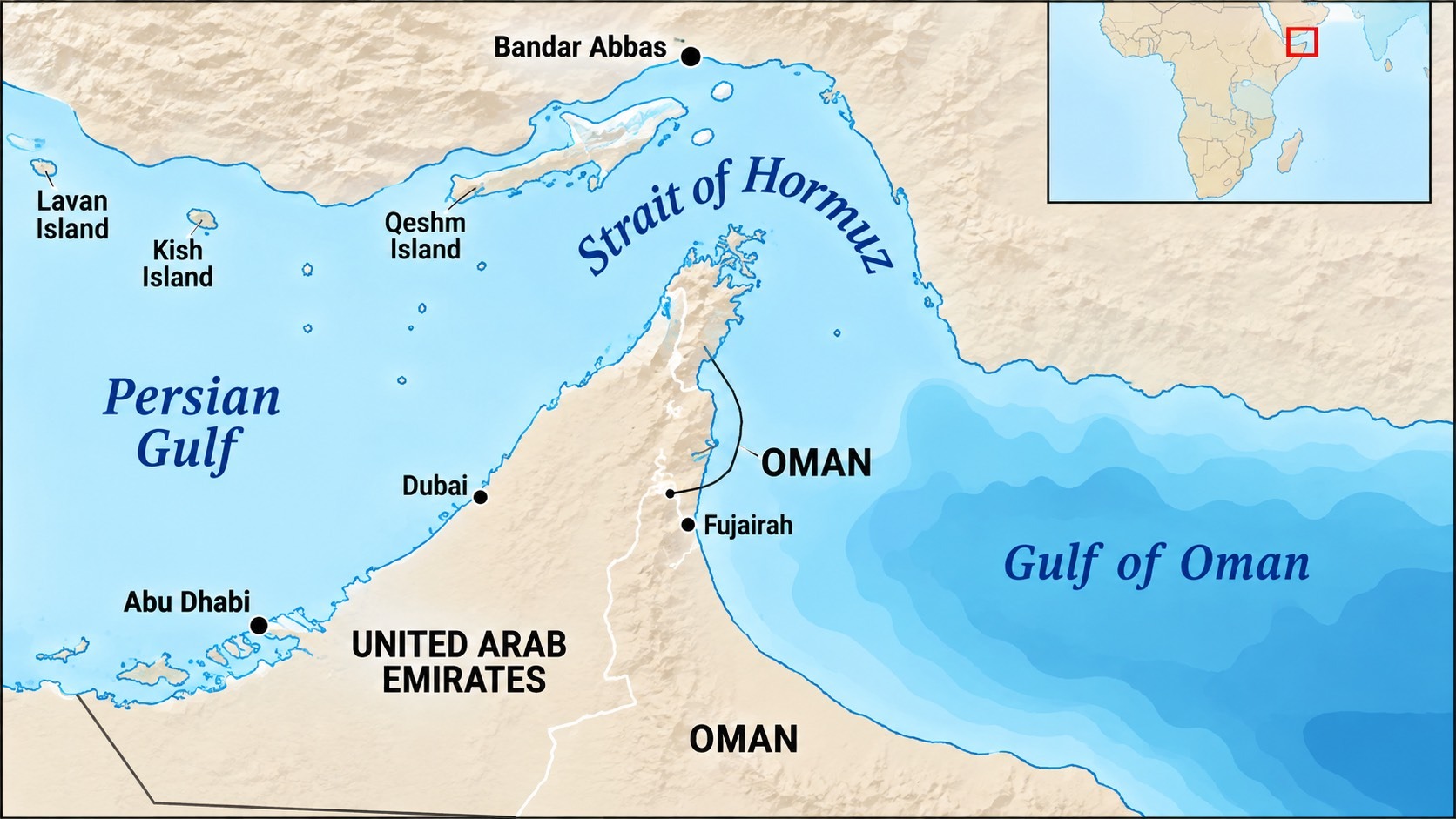
Before tensions escalated in late February, the Strait of Hormuz handled roughly one-fifth of global daily crude oil and liquefied natural gas exports, making it one of the world’s most strategically significant energy routes.
Disruptions along the corridor have fuelled concerns about global supply shortages, contributing to higher crude prices and pushing fuel costs upward across several countries.
Fuel prices remain elevated
Although crude prices have retreated, consumers have yet to see widespread relief.
In the United Kingdom, petrol prices remain around £1.60 per litre, according to the RAC motoring group.
In the United States, the American Automobile Association said petrol continues to average above $4 per gallon, while diesel prices are approaching $5.40 per gallon.
In Nigeria, market surveys indicate that petrol is still selling at an average of about N1,260 per litre despite the recent moderation in international crude prices.
Despite Washington’s optimism, neither side has disclosed details of any potential agreement.
Qatar, one of the key mediators, said diplomatic efforts were continuing alongside other regional partners but acknowledged that no direct negotiations were currently scheduled, the BBC reported.
On Monday, US President Donald Trump warned that Iran faced its “last chance” to reach an agreement that would allow commercial shipping to resume through the Strait of Hormuz, adding that he had suspended planned military strikes to create room for diplomacy.
Iran, however, maintains that it is not negotiating directly with the United States, insisting that its current diplomatic engagement is taking place through Oman.
The easing in oil prices also supported broader financial markets on Tuesday, with lower energy costs boosting investor sentiment and helping lift US equities alongside positive corporate earnings linked to artificial intelligence.

Felix Ifijeh is a journalist with years of professional reporting experience. Known for his keen news sense, compelling storytelling and commitment to accurate, impactful reporting, he has built a reputation for turning leads into clear, engaging, and well-structured reports that resonate with readers. His work reflects deep newsroom experience and a commitment to accurate, impactful journalism.
