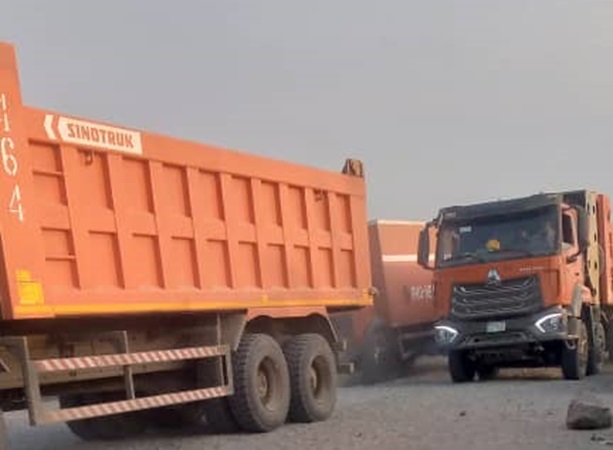
December 01, (THEWILL) — As the first harmattan breeze settles across Akwa Ibom, many regular users of the Calabar–Itu Highway say the silence from construction firms is more disturbing than the rains that once washed away their hopes.
For commuters, transporters and villagers along the corridor, the end of the rainy season usually brings renewed expectation as heavy machines rumble in, sites come alive, and long-delayed promises finally inch toward reality. But this year, residents say not even a grader has been spotted.
The most frightening portion, according to motorists, remains the stretch between Ekim Itam, where the last visible intervention ended during the administration of Senator Godswill Akpabio as governor, and the Oku Iboku head bridge, a segment they now describe as “a trap that keeps claiming bodies.”

Travelling that route at dusk has become an act of faith. Drivers say the gullies grow wider every week, swallowing tyres, vans and sometimes entire buses in moments of miscalculation.
“Each time you pass there, you pray. It’s like the ground is waiting to open. The road doesn’t just spoil; it hunts”, Eno Udoh, a commercial driver who plies the Uyo-Calabar axis, said.
Women traders transporting perishable goods report losing entire consignments after getting stuck for hours in mud pockets that remain even after the rains. Some now sleep at motor parks to avoid the night journey through the corridor.
Residents recall that contractors in previous years repeatedly cited funding delays, procurement bottlenecks, and weather disruptions as major reasons for halting work midway. Others mention logistical challenges and routine equipment breakdowns.
But with the skies now clear and the terrain dry, those explanations feel increasingly hollow to the people whose daily lives depend on the highway.
“Nobody is even pretending to mobilise. No signs of surveyors, no site workers, no warning tapes. Nothing. Just dust and death”, a youth leader from Itu said.
The absence of activity is particularly jarring because, according to locals, the Ekim Itam–Oku Iboku portion has recorded some of the highest accident figures in recent years among federal roads in the region.
Survivors recount horrifying scenes: buses skidding into oncoming trailers, motorcycles trapped under collapsing edges, and tankers tipping over as drivers attempt to navigate the broken pavement.
Several community volunteers now station themselves at night with lanterns to guide motorists away from the deepest craters. They say they are tired of watching avoidable tragedies unfold.
“I have washed blood off that road more times than I can count,” said a roadside mechanic whose shop overlooks a sharp bend. “Sometimes the rain won’t even dry before the next accident happens.”
Transport unions report that drivers are abandoning the route entirely, opting for longer, more expensive alternatives. This, they say, is pushing up transport fares and choking small businesses along the corridor.
Some villagers have turned the situation into a desperate hustle, charging stranded motorists to push vehicles out of the worst sections. They, too, admit the work is dangerous but say hunger leaves them no choice.
For families who have lost loved ones, each new death is a painful reminder that the wait for reconstruction is costing more than inconvenience. It is costing human lives.
“When government officials talk about billions and contracts, they forget those of us who are burying people. This road has eaten enough”, an angry woman stated.
Community elders say they have written letters, held meetings and staged peaceful protests, yet the highway continues its slow collapse while residents watch with a mixture of despair and dread.
With the dry season now fully set in, commuters insist this is the final window to avert another cycle of deaths before the rains return.
For now, the Calabar–Itu Highway remains a haunting reminder that development delays are not just administrative lapses, but lived realities, measured in broken vehicles, broken livelihoods and broken hearts.