October 05, (THEWILL) — As the Federal Government moves ahead with plans to impose a 30% Capital Gains Tax (CGT) on the disposal of shares and other capital assets, market analysts and industry leaders warn that the reform could have unintended consequences for investor confidence and Nigeria’s standing among African investment destinations.
Foreign portfolio investors have already begun pulling out of Nigerian equities as a result of the development. Outflows in January 2025 alone stood at ₦45.8 billion, significantly outpacing foreign inflows of ₦25.66 billion. This comes amid growing concerns over tax unpredictability and policy risks.
“The new capital gains tax could make Nigeria one of the least attractive equity markets in Africa,” warned an industry expert in a recent market commentary, noting that countries like Kenya offer 0% CGT on listed securities, while Ghana maintains a lower rate of about 15%.

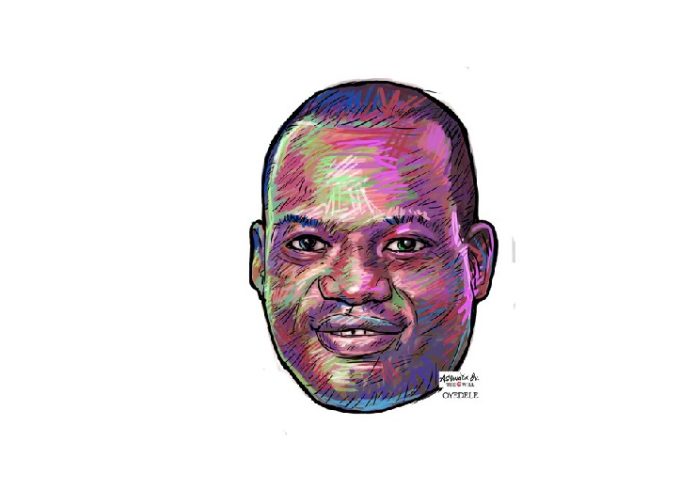
While the Federal Government — through its Presidential Fiscal Policy and Tax Reforms Committee, led by Taiwo Oyedele — has defended the proposed tax as a move towards fairness and fiscal sustainability, critics argue that the measure could inadvertently deter long-term investment.
Declining Investor Sentiment
Nigeria has long struggled to attract sustained foreign capital inflows due to currency instability, regulatory risk, and now — unfriendly tax policies. This is considered a drawback on the economic gains being brandished by the government as a major achievement since the change of administration in May 2023.
The Chief Executive of 11PLC, Otunba Adetunji Oyebanji, warned in September that the hike in CGT “may discourage high capital projects and foreign investment.” His statement mirrors the growing anxiety among domestic corporates that capital-raising efforts could suffer as investors factor in the higher cost of exit.
Competitiveness Gap Widening
Nigeria’s regional peers offer a more tax-friendly environment:
Kenya exempts listed securities from CGT, encouraging higher stock turnover and foreign participation.
Ghana levies around 15% CGT, while South Africa operates a tiered system generally seen as more predictable.
In contrast, Nigeria’s proposal to impose a flat 30% CGT on gains exceeding ₦100 million — even if reduced to 25% after negotiations — may widen the competitiveness gap.
Capital Market Reaction
Foreign investor participation on the Nigerian Exchange has fallen below 15%, down from highs of over 50% a decade ago. While some of this reflects broader macroeconomic challenges, market watchers say the CGT proposal is compounding the retreat.
The NGX itself has hosted several stakeholder engagements urging the government to reconsider the tax structure, especially its implications for listed equities. Sources within the exchange say investor sentiment surveys conducted recently show “heightened concerns” over the lack of clarity on issues such as:
-The calculation of historical cost basis
-Whether losses can be carried forward
-How gains from reinvestments will be treated
Reform Committee Pushes Back:
In public statements, Taiwo Oyedele, chair of the tax reform committee, has defended the proposal, arguing that higher exemption thresholds, streamlined tax codes, and a phased implementation plan will minimize disruption.
He also noted that Nigeria’s overall tax-to-GDP ratio remains among the lowest globally, and that the reforms aim to shift the tax burden towards wealth and investment income rather than consumption or small businesses.
“We are not targeting genuine investors. We are targeting rent-seeking, short-term speculative gains that have previously gone untaxed,” Oyedele said during a stakeholder dialogue in Abuja September.
With mounting pressure from capital market operators, business groups, and foreign investor networks, the Federal Government may be forced to revisit the CGT threshold or provide transition relief to ease implementation.
Industry experts insist that Nigeria now stands at a crossroads: it must balance its urgent need to raise non-oil revenues with the imperative of maintaining a competitive investment climate.
Commenting on the overall tax reform, the Presidential Fiscal Policy and Tax Reforms Committee on Friday, October 3, engaged journalists, influencers, and public analysts in an interactive session in Lagos to clarify some misconceptions surrounding Nigeria’s newly enacted tax reform laws.
Speaking at the session, Oyedele, stated that while it is not unusual for tax reforms to be misunderstood anywhere in the world, deliberate misreporting and uninformed analyses are harmful to our collective interest given that the reforms are designed to benefit ordinary Nigerians, secure long-term economic stability and inclusive growth for the country.
“The objectives of the reforms have been clear from the very beginning – reduce the tax burden on the masses, harmonise and simplify tax rules to address multiplicity of taxes, promote a modern, business friendly and globally competitive tax system. Our approach is people-centric, growth-focused, and efficiency-driven,” Mr. Oyedele said.

Ogochukwu Onwaeze