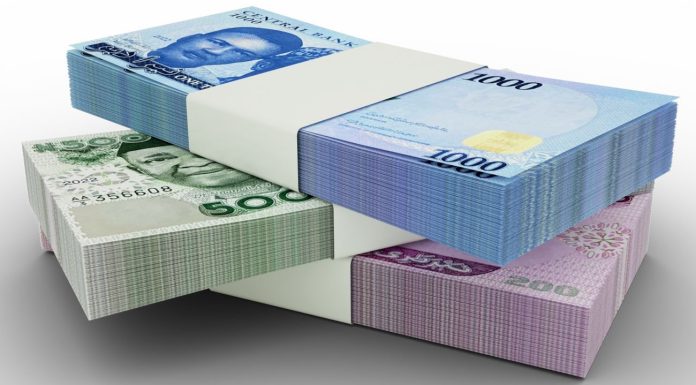
March 16, (THEWILL) — Currency held outside Nigeria’s banking system dropped by about ₦198 billion, reflecting a slight moderation in cash demand and tightening liquidity conditions in the financial system.
Latest money and credit statistics released by the Central Bank of Nigeria (CBN) show that cash outside banks declined to about ₦5.21 trillion in January, down from ₦5.41 trillion recorded in December.
The decline coincided with a contraction in the country’s broad money supply (M3), which fell to ₦123.36 trillion in January from ₦124.4 trillion in December, indicating reduced liquidity within the banking system.

Analysts say the drop in cash outside banks may reflect easing demand for physical currency after the year-end festive period, when cash usage typically rises across the economy.
Despite the decline, Nigeria still maintains a high level of physical cash circulation outside the banking system, largely driven by the dominance of the informal sector and continued reliance on cash transactions.
The trend underscores the challenge facing monetary authorities as the CBN continues efforts to strengthen financial intermediation, encourage digital payments and manage excess liquidity through tools such as open market operations and treasury bill issuances.
Economic observers note that sustained reductions in cash outside banks could support the effectiveness of monetary policy by improving liquidity management within the formal banking system.

Ogochukwu Onwaeze is a writer specializing in business and economic journalism. At THEWILL News Media, she translates market trends, financial developments, and policy shifts into clear and engaging stories.