
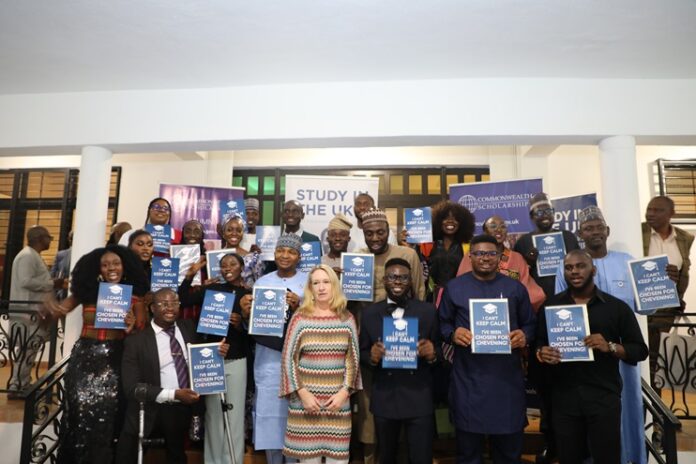
August 29, (THEWILL) — Chevening and Commonwealth Scholarships, two of the most prestigious academic awards in the world, are having a lasting impact in Nigeria by producing a new generation of leaders committed to the country’s growth and development. The programmes, funded by the United Kingdom government, are awarded to individuals who demonstrate intellectual ability, leadership potential and a deep commitment to national progress.
Over the years, these scholarships have established a substantial alumni base in Nigeria, comprising more than 4,500 individuals. Of this number, about 3,000 are beneficiaries of the Commonwealth Scholarship, while 1,500 are Chevening alumni. Together, they form a body of highly accomplished Nigerians who are making significant contributions across sectors, including government, academia, civil society, business, technology and international organisations.
The scholarships have long been regarded as gateways to opportunity, offering Nigerians the chance to study at leading institutions in the United Kingdom while building a global network of peers. On their return, the scholars are expected to apply their skills and experiences to the development of their home country. In Nigeria, many have gone on to occupy positions of influence, shaping policies, leading institutions and driving social and economic change.

For the British High Commission in Nigeria, the scale of the alumni base is a source of pride. Officials describe it as one of the largest in Africa and a strong demonstration of the shared commitment between Nigeria and the United Kingdom to foster education and leadership. “The impact of our Chevening and Commonwealth alumni in Nigeria is evident,” a British Council representative explained. “They are academics, entrepreneurs, public servants and innovators, all using their skills to strengthen governance, promote prosperity and empower communities.”
Indeed, the contributions of the alumni are visible across society. In government, many former scholars serve in policy-making positions where they are shaping reforms in areas such as public administration, justice, energy, health and education. Their exposure to global best practices and their connections with international peers have helped bring new ideas into Nigeria’s governance framework. In academia, alumni are among the leading voices driving research and mentoring the next generation of Nigerian students, while in business and entrepreneurship, they are building companies, creating jobs and offering innovative solutions to the country’s challenges.
Beyond professional achievements, the alumni network itself has become a powerful force. With members spread across Nigeria’s six geopolitical zones, it serves as a platform for collaboration, knowledge exchange and mentoring. Younger Nigerians aspiring to pursue the scholarships often benefit from the guidance of those who have gone before them. Regular events, workshops and conferences hosted by the alumni groups also provide opportunities for dialogue on national issues and the sharing of practical solutions.
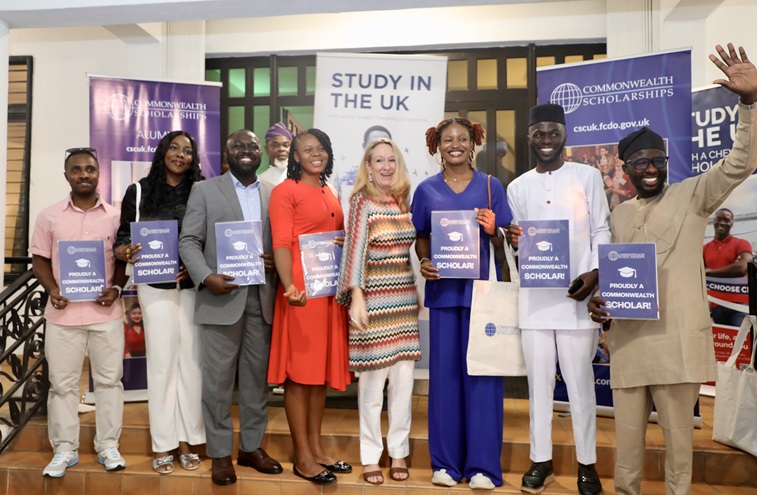
The scholarships’ emphasis on leadership and service to society resonates strongly in a country where human capital remains one of the greatest assets. Nigeria’s population is young, energetic and ambitious, but opportunities for higher education and international exposure are often limited. Chevening and Commonwealth awards bridge that gap for exceptional individuals, equipping them with skills and networks that they later deploy at home. This cycle of learning and return ensures that the benefits of the scholarships extend not only to the individual recipients but also to the communities and institutions they serve.
In recent years, alumni have also been actively involved in addressing social challenges. Many are involved in non-governmental organisations and social enterprises that address issues such as youth unemployment, climate change, women’s empowerment, technology inclusion and public health. For example, several Commonwealth scholars have pioneered projects in renewable energy solutions for rural communities, while Chevening alumni have championed policy advocacy in areas such as electoral reforms and human rights.
Analysts say the impact of this growing community illustrates the broader role of international scholarships in global development. By investing in individuals and building networks of leaders, the UK government is not only strengthening bilateral ties with Nigeria but also contributing to the achievement of the United Nations Sustainable Development Goals. Education, gender equality, innovation, climate action and reduced inequalities are areas where alumni-led initiatives are making a difference.
As the alumni base continues to expand, expectations are that their collective influence will deepen. With Nigeria facing challenges ranging from economic diversification to security and infrastructural development, the country’s future will depend in part on the ability of its leaders to craft creative, informed and inclusive solutions. The alumni of Chevening and Commonwealth Scholarships, with their training, exposure and commitment to service, are well-positioned to play a central role in that process.
For many recipients, the value of the scholarship goes beyond academic training. It is also about building confidence, forging lifelong friendships and discovering new ways of looking at problems. Returning home with this broadened perspective, they are often able to see Nigeria’s challenges differently and to approach them with resilience and innovation.
The UK government, for its part, has reiterated its commitment to maintaining and strengthening these scholarship schemes. Each year, dozens of Nigerians are selected for both awards, joining a global community of scholars dedicated to making a difference. The presence of more than 4,500 alumni in Nigeria today underscores the scale of this long-term investment and the transformative potential it represents.
For a country often in search of solutions to complex social and economic challenges, the growing community of Chevening and Commonwealth alumni is a reminder that investing in people remains the most sustainable path to development. Their stories of achievement, leadership and service continue to inspire younger generations, and their collective impact is a testament to the power of education as a driver of national progress.

Janefrances Ebere Chibuzor is a Tourism Writer at THEWILL
