
-
Several athletes have reportedly gone missing after the Glasgow 2026 Commonwealth Games, prompting investigations by Scotland and UK authorities.
-
Four Ugandan boxers and a Pakistani boxer are among those reported missing, with local reports suggesting some may be seeking asylum.
-
The incident revives a recurring issue from previous Commonwealth Games, where athletes disappeared after competitions instead of returning home.
Aug 04, (THEWILL) — The curtain may have fallen on the Glasgow 2026 Commonwealth Games, but attention has quickly shifted from sporting achievements to a fresh controversy after several athletes were reported missing following the conclusion of the event.
Police Scotland confirmed it is investigating reports that a number of competitors failed to return home with their national teams after the Games ended on Sunday. Authorities said they are working with the UK Home Office to determine the circumstances surrounding the disappearances.
Among those reportedly missing are four members of Uganda’s boxing team. Local Ugandan outlet NBS Sport identified the athletes as Nuhu Batte, Angel Katushabe, Ibrahim Kemis and Emily Nakalema. The publication reported that one of the missing boxers claimed the group intended to seek asylum in Scotland, citing hopes of pursuing boxing careers in a country with better training facilities and greater opportunities.

The rest of Team Uganda has since departed for Kampala, while officials declined to comment publicly on the reported disappearances.
A similar report also emerged from Pakistan, where local media said boxer Qudratullah failed to board his team’s flight home. Team officials reportedly discovered he was no longer in his accommodation before departure.
Police Scotland said inquiries remain ongoing.
“Police Scotland has received reports of several athletes who are unaccounted for”, a spokesperson said. “Inquiries are ongoing to assess the circumstances, and early engagement is taking place with the Home Office.”
Games organisers stressed that they are cooperating with law enforcement and immigration authorities as athletes and officials continue to leave Glasgow.
Glasgow 2026 spokesperson Sophie Ashcroft said organisers had welcomed around 3,000 athletes from 74 Commonwealth nations and territories over the course of the competition and were working closely with Police Scotland, Border Force and UK Visas and Immigration to ensure a safe conclusion to the Games.
The latest reports echo incidents from previous Commonwealth Games, particularly Glasgow 2014, when several athletes disappeared after the competition. Some later applied for asylum, while others remained in the United Kingdom without informing their national delegations.
One of the most notable cases involved two Ugandan rugby players who disappeared after the 2014 Games and were later found playing for a local rugby club in Cardiff. One of those players, Philip Pariyo, was subsequently convicted and imprisoned for rape.
The UK government is understood to carry out enhanced background and immigration checks ahead of major sporting events such as the Commonwealth Games. However, any athlete who applies for asylum after entering the country is assessed individually based on the evidence presented and the specific circumstances of the case.
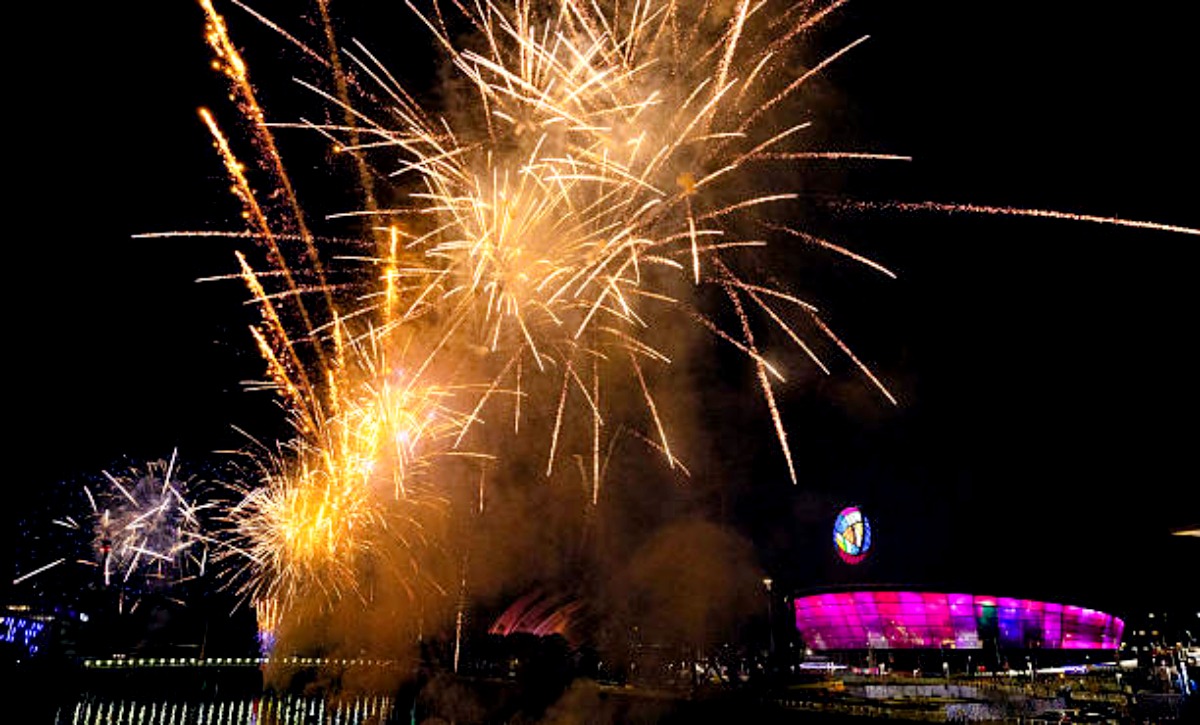
The Glasgow Games, which featured a streamlined programme of 10 sports across four venues, had been widely praised for successfully rescuing the Commonwealth Games after the original hosts, Victoria in Australia, withdrew because of rising costs.
While organisers celebrated what many described as a successful edition of the Games, the reports of missing athletes have once again highlighted the complex relationship between international sporting competitions and migration, a challenge that has surfaced repeatedly at major multi-sport events around the world.

