
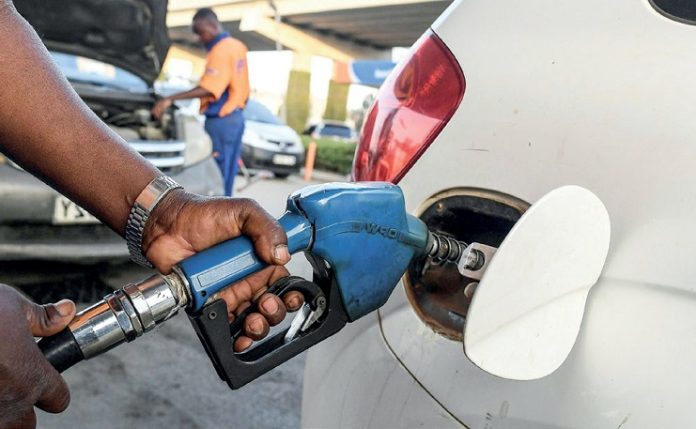
March 27, (THEWILL) — For thousands of residents in Akwa Ibom State, each new day begins with a difficult calculation: how to get to work, school, or the market without exhausting the little money they have left.
With petrol prices now hovering around ₦1,400 per litre in many parts of the state, the ripple effects are being felt across every layer of society. Transportation fares have surged, food prices have climbed steadily, and essential commodities are slipping further out of reach for ordinary citizens.
At major bus stops in Uyo and surrounding areas, frustration hangs thick in the air.

“I used to spend ₦500 to get to work, but now it’s ₦1,200 or more”, said Josephine Akpan, a civil servant who commutes daily from Itam to the Idongesit Nkanga Secretariat. “Half of my salary is going into transportation. How do I feed my children?”
Commercial drivers say they are equally trapped in the crisis.
“We are not increasing fares because we like it,” explained Moses, a minibus driver along the Uyo–Oron route. “Fuel is too expensive, spare parts have doubled, and even engine oil is high. If we don’t adjust fares, we can’t survive.”
Another driver, Iniobong, added: “Passengers insult us every day, but they don’t understand what we are going through. After buying fuel, what is left?”
The situation is forcing many residents to make tough choices. Some now trek long distances, while others reduce the number of trips they make in a week. Students and low-income earners are among the hardest hit.
“I skip lectures sometimes because I can’t afford transport”, said Emem, a university student. “And when I manage to go, I stay hungry because food is also expensive.”
Indeed, the surge in fuel costs has triggered a broader rise in the price of goods and services. Traders blame increased transportation expenses for the hike in food items and other essentials.
“Everything we sell comes from somewhere,” said a food vendor at Itam Market. “Transporters have increased their charges, so we have no choice but to increase our prices.”
Amid growing public frustration, civil society groups and professional bodies are raising an alarm.
In a strongly worded press release, the Centre for Human Rights and Accountability Network (CHRAN) described the situation as a “present and pressing crisis”, urging the Akwa Ibom State Government to implement urgent relief measures.
The group noted that many residents now spend a disproportionate share of their income on transportation alone, leaving little for food, healthcare, and education.
CHRAN commended the state government’s plan to introduce Compressed Natural Gas (CNG) buses but stressed that long-term solutions must be matched with immediate interventions.
Similarly, the Nigeria Union of Journalists (NUJ), Akwa Ibom State Council, has expressed concern over the rising cost of transportation, noting its impact on journalists whose work requires constant mobility.
The union called on authorities to regulate transport fares and prevent arbitrary increases, warning that the burden on residents is becoming unbearable.
For many commuters, however, relief cannot come soon enough.
“We are tired”, said Okon, a motorcycle rider. “Every day, prices go up, but our income does not. How are we supposed to live?”
As the economic strain deepens, the voices from bus stops, markets, and roadsides tell a common story: one of resilience stretched to its limits, and a growing call for urgent government action before the situation spirals further out of control.

