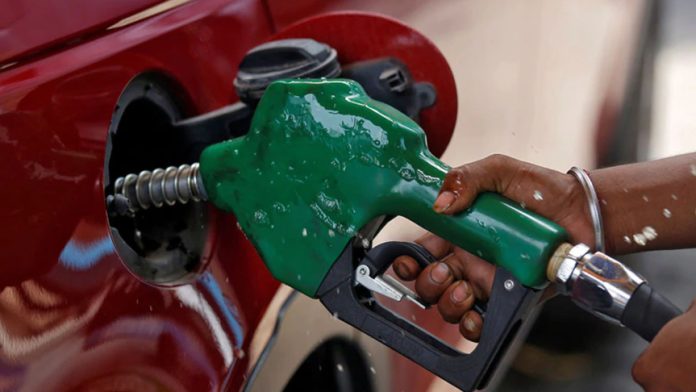
November 14, (THEWILL) — The government’s suspension of the proposed 15% petrol tax has triggered widespread debate across political, economic, and civic groups, with stakeholders split over whether the decision offers meaningful relief or poses long-term fiscal risks.
The suspension was confirmed in an official statement issued by the regulatory authorities, which noted that the planned levy on imported petrol and diesel is “no longer in view.” The move comes amid heightened public concern over rising fuel costs and inflationary pressures affecting transport, food prices, and essential services.
The government frames the decision as consumer relief
Officials say the suspension is part of broader efforts to ease the burden on citizens as global energy prices and domestic economic pressures continue to strain household budgets. While the government has not released detailed projections, analysts expect the tax halt to create some downward pressure on pump prices depending on distribution and market dynamics.

Economic experts remain cautious. Fuel-related taxes contribute significantly to government revenue, and some analysts argue that suspending the levy without an alternative funding plan could weaken fiscal stability.
They warn that although the measure may temporarily ease pressure on consumers, it could widen the budget deficit and limit funding for infrastructure, energy regulation, and social programmes.
Opposition parties have raised concerns about the timing of the decision, describing it as reactive and lacking a comprehensive policy framework. They argue that suspending the tax addresses symptoms rather than solving structural issues within the downstream sector, such as pricing transparency, distribution bottlenecks, and regulatory inconsistencies.
Transport unions seek clarity
Transport unions, among the most affected by fuel price fluctuations, have welcomed the suspension, noting that any reduction in operational costs benefits both drivers and passengers. However, they also called for clarity on the duration of the suspension and urged the government to provide a long-term fuel policy that ensures predictable pricing.
Civil society groups are divided
Consumer advocacy groups see the suspension as a positive step for households struggling with high living costs. Some civil society organisations, however, criticised the absence of broad stakeholder consultation, arguing that abrupt policy shifts could unsettle the downstream petroleum market and undermine investor confidence.
Authorities have indicated that they will reassess the tax proposal and broader fuel pricing framework in the coming months. A more detailed policy position is expected after consultations with industry experts, regulatory bodies, and civil society groups.
For now, the suspension offers immediate, though potentially temporary, relief — but the political and economic debate around the petrol tax is far from settled.

Ogochukwu Onwaeze