
-
Global electric vehicle sales are expected to reach a record 23 million in 2026.
-
Africa’s EV market more than doubled in the first half of the year, led by South Africa and Egypt.
-
Nigeria did not feature among the continent’s fastest-growing electric vehicle markets.
-
The IEA says energy security and lower running costs are driving demand beyond climate goals.
Aug 03, (THEWILL) — Electric cars are no longer a story dominated by China, Europe and the United States.
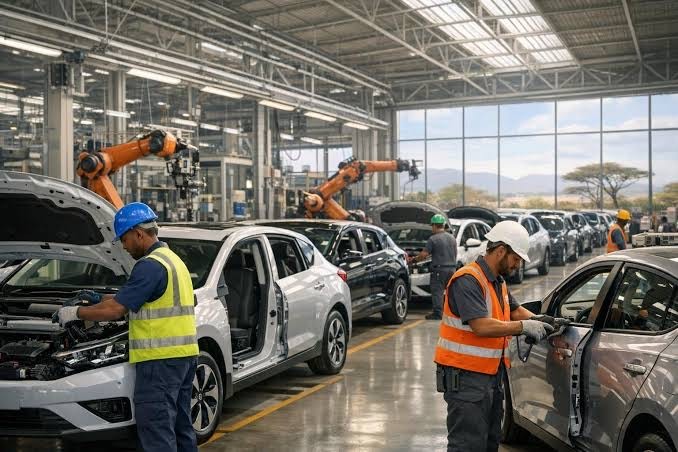
Africa is beginning to carve out its own place in the global market, with electric vehicle sales more than doubling in the first half of 2026 as governments push cleaner transport and consumers look for alternatives to rising fuel costs.
That momentum comes at a time when the global electric vehicle market is heading for another record year.

The International Energy Agency (IEA) projects that 23 million electric vehicles will be sold worldwide in 2026, accounting for 29 per cent of all new cars sold despite a slowdown in the broader automobile market.
“The electric car market is continuing its impressive growth trajectory despite a more uncertain economic environment,” IEA Executive Director Fatih Birol said, noting that affordability, supportive policies and falling battery costs continue to drive demand across many parts of the world.
The agency’s latest report, “Electric Car Markets in a Time of Uncertainty”, estimates that more than nine million electric vehicles were sold globally during the first six months of 2026, with over five million sold in the second quarter alone.
Although total vehicle sales are expected to decline by about two per cent this year because of economic uncertainty and geopolitical tensions, electric vehicles continue to gain market share.
Africa is still a relatively small player in the global market, but its recent growth has drawn attention. More than 30,000 electric vehicles were sold across the continent during the first half of the year, more than twice the number recorded during the same period in 2025.
South Africa recorded the strongest performance, with sales increasing more than fivefold, while Egypt’s market more than tripled as demand gathered pace.
The report also points to stronger government support across several African countries as a major reason for the growth.
Kenya has removed import duties on 100,000 electric vehicles to make them more affordable, while Rwanda now requires public institutions to ensure that at least 30 per cent of newly procured vehicles are electric.
These policies are encouraging investment in charging infrastructure and making electric vehicles easier to own.
Nigeria, however, did not feature among the report’s standout performers despite having one of Africa’s largest economies, a growing urban population and one of the continent’s biggest vehicle markets.
While interest in electric mobility is increasing through private operators and a handful of local assemblers, large-scale adoption remains slow because of limited charging infrastructure, high upfront vehicle costs and the absence of broad consumer incentives.
The New Economics of Electric Mobility
The growing appetite for electric cars is being driven by more than environmental concerns. For many countries, it has become an economic decision.
Road transport accounts for nearly half of global oil consumption, making fuel-importing countries especially vulnerable whenever oil prices rise or supply chains are disrupted.
This year’s energy market pressures, linked partly to tensions in the Middle East, have strengthened the case for reducing dependence on petrol and diesel.
The IEA said electric vehicles are increasingly being viewed as a practical way to improve energy security, reduce fuel import bills and protect consumers from volatile oil prices.
Governments are responding with tax incentives, charging infrastructure projects and policies aimed at speeding up adoption.
The momentum is also spreading across other emerging markets.
Electric vehicle sales more than doubled in Latin America during the first half of the year, while India recorded growth of more than 90 per cent and Southeast Asia expanded by about 75 per cent.
China remains the industry’s dominant force even as its domestic car market slows.
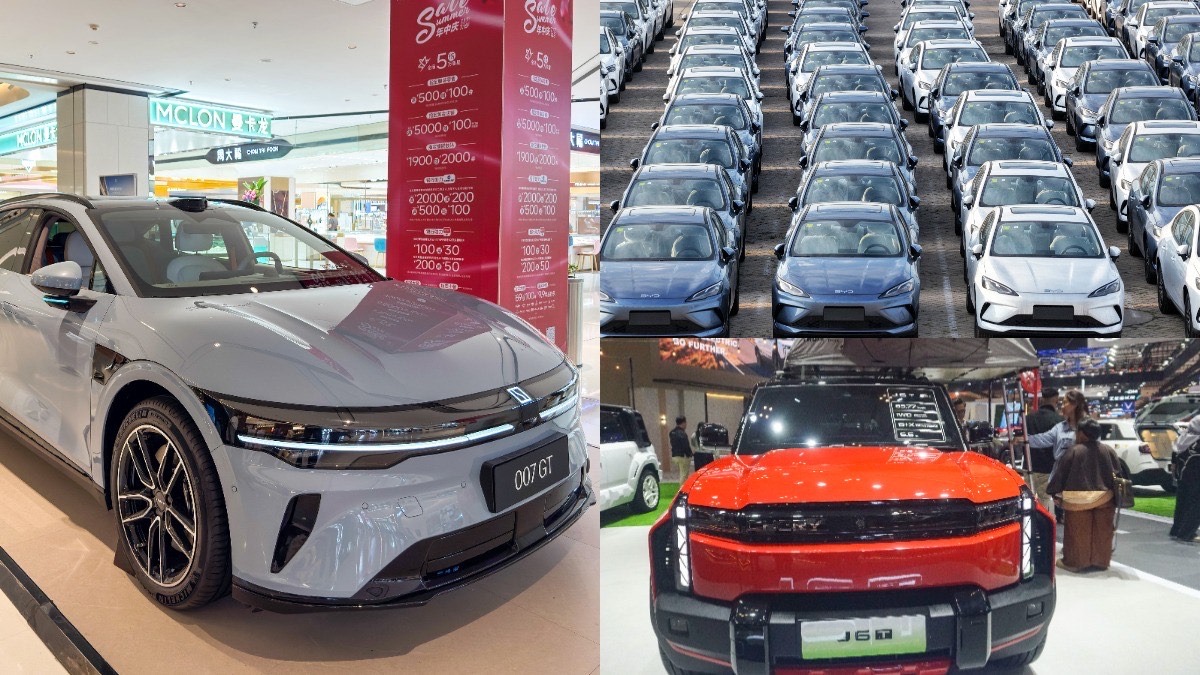
Electric vehicles still account for more than 60 per cent of all new cars sold there, supported by a mature manufacturing ecosystem and lower production costs.
The report estimates that Chinese manufacturers produce electric vehicles at costs roughly 35 per cent lower than competitors in many advanced economies.
That advantage is becoming increasingly visible across Africa.
In South Africa, Chinese brands now account for about 90 per cent of new electric vehicle sales after imports rose sharply during the first half of the year.
Outside Europe and the United States, Chinese-made vehicles represent about 55 per cent of electric vehicle sales.
The IEA insists that the future of the automobile industry will depend less on traditional engine manufacturing and more on battery production, software development, charging infrastructure and resilient supply chains.
Countries that build strength in these areas are likely to attract new investment and create skilled jobs over the coming years.
For Nigeria, the report presents a clear indication that the electric vehicle market is no longer developing somewhere else.
It is expanding across Africa, and neighbouring countries are already putting policies in place to capture the opportunities that come with it.
Even so, the race toward cleaner transport has moved beyond ambition.
It is increasingly shaping industrial policy, investment decisions and the future of the global automotive industry. Countries that prepare early stand to build new industries around that growth.
Those that delay risk becoming consumers in a market others have already begun to build.

