
November 24, (THEWILL) — Nigeria’s equity market has entered one of its most explosive phases in recent history, as turnover on the domestic bourse surged to nearly N10 trillion within the first ten months of 2025 —a performance analysts describe as unprecedented in the last two decades.
Fresh data from the Nigerian Exchange (NGX) shows a trading turnover of N9.57 trillion between January and October, up from N4.47 trillion in the same period of 2024, representing a 114% jump year-on-year. The development underscores renewed confidence from both domestic and foreign investors, helped by commendable economic reforms and stronger market regulation.
Sector Breakdown
A deeper look into the trading pattern shows that the banking sector continues to dominate activity, driven by blue-chip lenders and high-volume trades from institutional portfolios.

Telecom giants such as MTN Nigeria and Airtel Africa also contributed significantly to turnover, boosted by renewed investor appetite following corporate actions and stronger earnings guidance.
Other key contributors
Oil & Gas: Supported by energy reforms and improved upstream performance Industrial Goods: Driven by activity in cement and construction-linked counters Consumer Goods: Recovering gradually as household demand stabilizes.
The broad-based rally suggests that the current boom is not sector-isolated but reflects wider investor optimism across multiple segments of the economy.
Domestic and Foreign Investor Sentiments
Foreign portfolio investors (FPIs) accounted for 21.2 percent of market activity up from 16.7 percent in 2024, signalling renewed foreign appetite for Nigerian assets.
Foreign transactions reached N2.03 trillion by October 2025, compared with N744.3 billion a year earlier. Overall, FPIs posted a surplus of about N209 billion, reversing the deficit recorded in 2024.
Domestic investors, however, remain the backbone of the market, contributing N7.54 trillion to turnover. Retail investor activity driven by digital access, financial education, and favourable market sentiment hit its highest levels since the mid-2000s.
Break from the past
The historical trend points to appreciable performance of the 2025 market status which has altered the narrative in the recent past:
In 2022, Nigeria’s annual turnover was N2.88 trillion a 10-year high at the time. In 2019, annual equities turnover stood at less than N1 trillion.
Against this backdrop, reaching nearly N10 trillion in just 10 months places 2025 as one of the most transformative years ever for the Nigerian capital market.
New era of capital access
Market analysts emphasise that the surge in turnover is not merely a trading milestone, it is reshaping corporate behaviour and opportunities amidst sentiments that attract investors to the equity market as interest rate ebbs in the fixed income territory.
Amid seamless capital raising environment, several listed companies are now positioning for:
* Rights issues
* Commercial paper issuances
* Public offers
* Bond listings
The resultant higher liquidity reduces the cost of capital and makes fundraising more efficient. However, industry analysts bemoan the crowding out of the private sector in the government’s aggressive borrowing spree that may again raise the cost of borrowing;
Improved valuation, visibility
Strong investor participation has pushed several stocks into re-rating territory, allowing companies to enjoy better market valuations ahead of planned expansions.
The influx of foreign investors is attracting new research attention from global institutions thereby increasing visibility for Nigerian firms on the international stage.
Multiple factors are converging to fuel the historic turnover: These include economic reforms including naira liberalisation and subsidy restructuring.
Others are stronger monetary-fiscal alignment that reflects on the new Investments and Securities Act (2025) which boosts transparency and strengthens oversight. The adoption of digital platforms that now onboards millions of new retail investors, and preparations for a shorter settlement cycle (T+2) beginning November 28, 2025, are among the contributing factors.
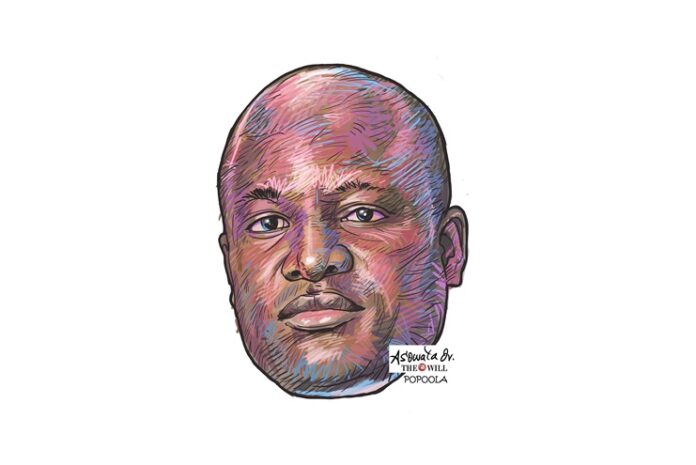
NGX Group CEO, Temi Popoola, noted that the rally reflects “a wave of coordinated reforms rebuilding confidence in Nigeria’s financial architecture.”
Outlook into 2026
The momentum is likely to continue but with caution hinging on the following developments:
- T+2 settlement cycle expected to boost liquidity and reduce counterparty risk
- Continued foreign inflows as macroeconomic reforms deepen
- Higher corporate earnings projections, particularly in banking, telecoms, and industrials
- Expansion of retail participation, helped by digital brokerage platforms
Potential risk factors
* FX volatility could discourage foreign investors
* Policy inconsistencies may weaken sentiment
* Global interest rate trends could reduce frontier-market appetite
* Sudden profit-taking may trigger short-term volatility, especially in highly liquid banking counters
Overall forecast
If current policy momentum is sustained, analysts expect market turnover in 2026 to surpass the N10 trillion mark on a full-year basis, the first in the history of the Nigerian capital market.

Ogochukwu Onwaeze
