
-
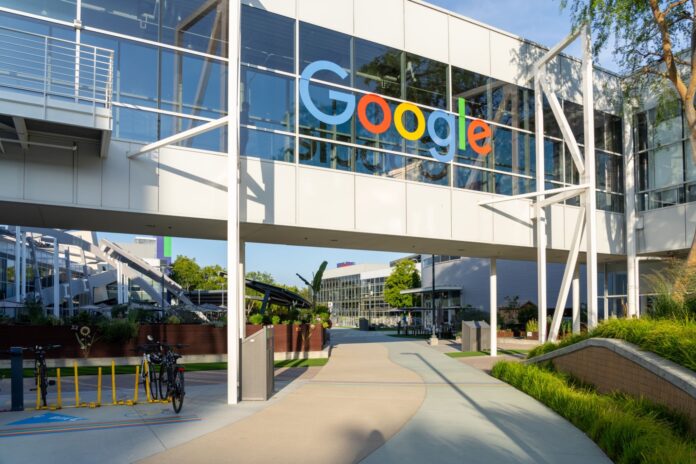
Google faces its first major penalty under Europe’s Digital Markets Act.
-
The EU says the tech giant used its dominance to limit competition.
-
The ruling could reshape how digital platforms operate worldwide.
-
The battle is about more than money, it is about who controls the internet.
July 25, (THEWILL) — The European Union has handed Google an €890 million fine under its landmark Digital Markets Act, but the money may not be the most important part of the story.
The bigger issue is power.
For more than two decades, Silicon Valley built the digital highways that billions of people now use every day. Search engines became gateways to information, App stores became global marketplaces and algorithms quietly influenced what people see, buy and discover.

Now, governments are moving from observation to intervention. They are rewriting the rules of the digital economy.
The European Commission says Google crossed the line by allegedly giving its own services preferential treatment in Search while limiting how app developers direct users to cheaper alternatives outside Google Play.
Regulators argue that these practices weakened competition and reduced consumer choice.
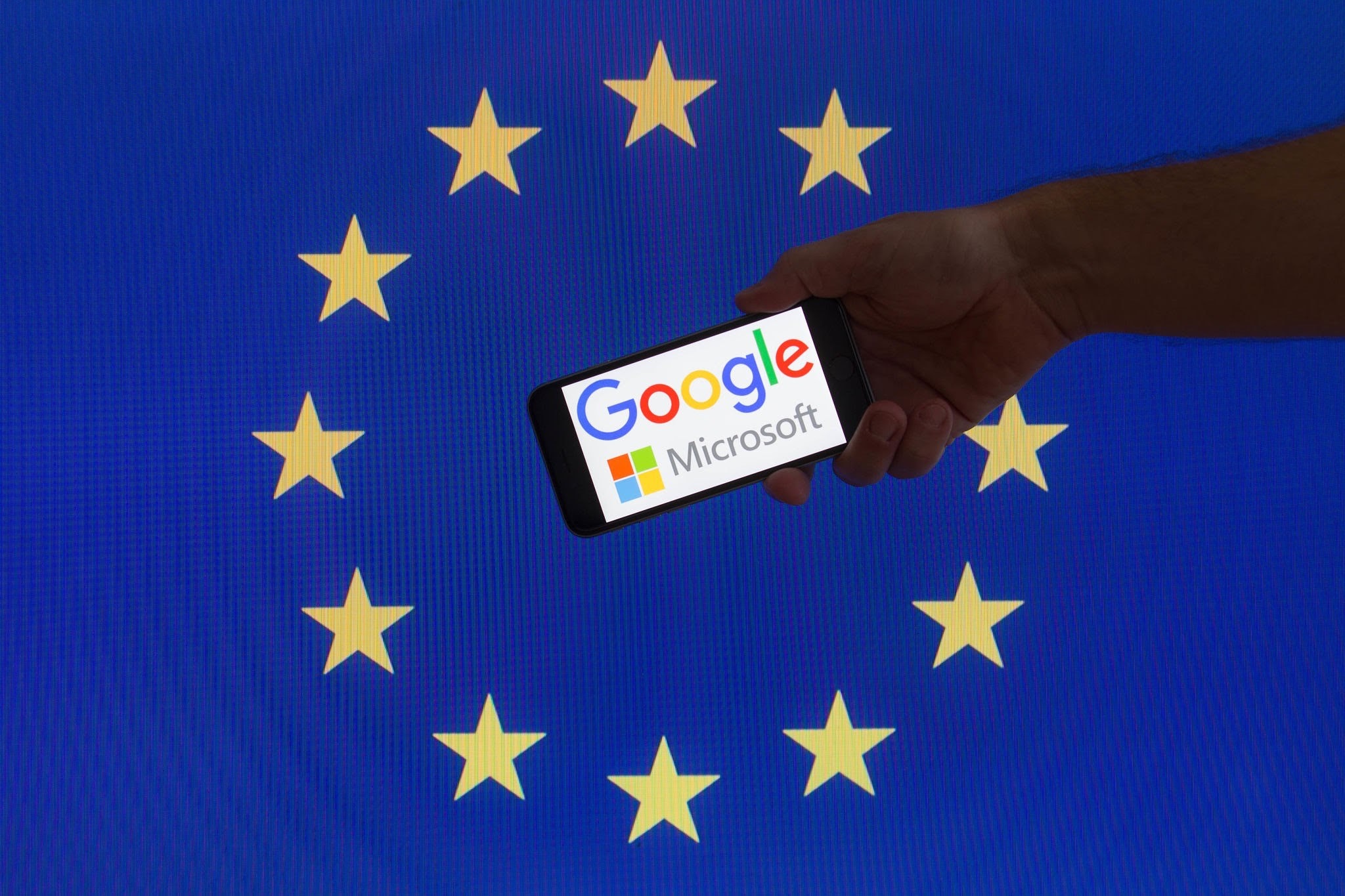
Europe’s New Battle Over Digital Power
The penalty marks Google’s first punishment under the Digital Markets Act, a law designed not only to penalise dominant technology companies but also to prevent them from becoming powerful gatekeepers of entire digital markets.
Unlike traditional competition rules, which often acted after markets had already been affected, the DMA takes a preventive approach.
It aims to ensure that major platforms remain open to rivals before their influence becomes impossible to challenge.
In other words, Europe is sending a new message to Big Tech that success does not give companies the right to design digital marketplaces entirely on their own.
Google, however, disagrees with the decision.
The company says some of the required changes could make its products less useful and create a more complicated experience for millions of users.
It has indicated that it may challenge the ruling while continuing discussions with regulators.
Even so, the dispute reflects how much the balance of power has changed. A decade ago, regulators struggled to understand and keep pace with fast-moving technology companies.
Today, some of the world’s biggest tech firms are adjusting to rules created by governments.
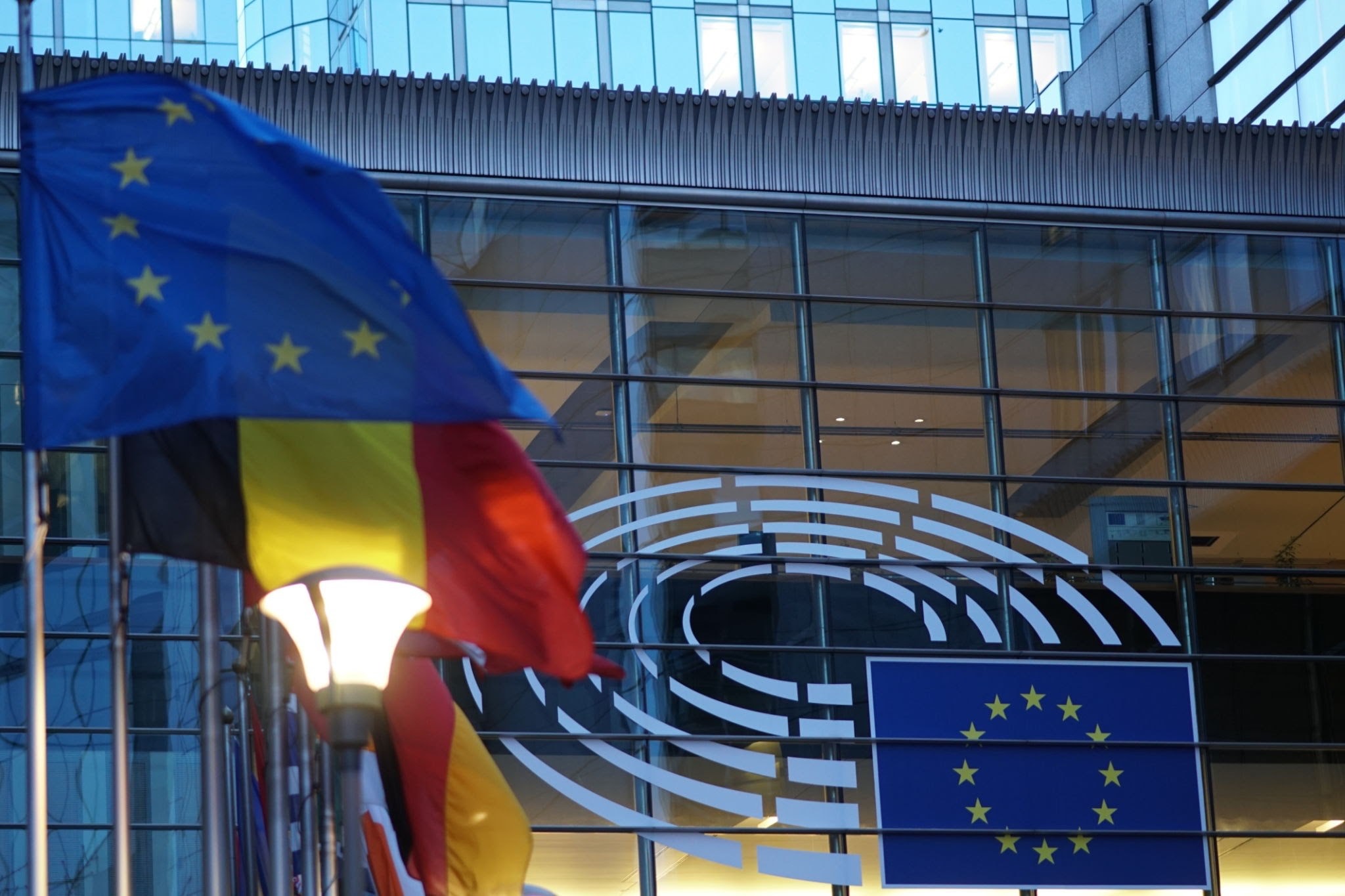
Shaping the Future of Global Tech Regulation
The impact will likely extend beyond Europe. Because the European market is one of the largest in the world, technology companies often change their products globally rather than create separate systems for different regions.
Consequently, Brussels has become a major force in shaping the future of technology.
Europe may not produce the world’s biggest digital platforms, but its regulations increasingly influence how those platforms operate.
The decision also carries geopolitical weight. Washington has criticised the penalty, with U.S.
President Donald Trump calling the action unfair to American companies and announcing plans for a trade investigation into the EU’s approach.
Meanwhile, the debate is moving beyond search engines and App stores.
The rise of artificial intelligence is creating a new digital battlefield where companies will compete to control how people find information, buy products and interact with technology.
Ultimately, the €890 million fine represents more than a financial penalty. It is a signal that the future of the internet will not be shaped only in Silicon Valley.
Increasingly, it will also be negotiated in Brussels.

