
-
Federal Government says savings from petrol and foreign exchange subsidy reforms have been channelled into debt servicing, wage increases, student loans, and other critical national obligations.
-
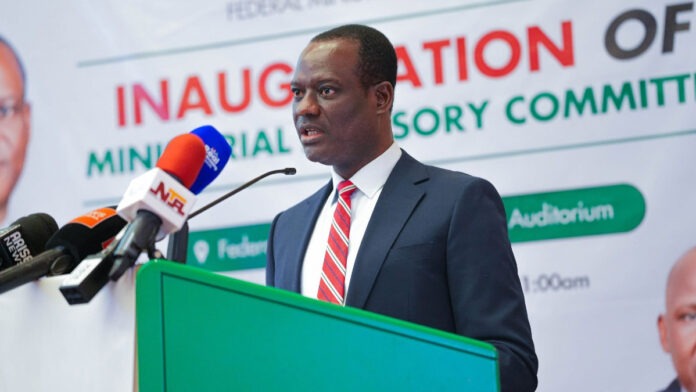
Minister of Finance and Coordinating Minister of the Economy, Taiwo Oyedele, pledges to publish a comprehensive breakdown of subsidy savings.
-
Government says subsidy removal was designed to eliminate corruption, fiscal distortions, and excessive monetary financing rather than merely generate revenue.
-
FG defends continued borrowing despite improved revenue, arguing that budget deficits still require financing while warning that rising interest rates have significantly increased debt servicing costs.
July 30, (THEWILL) — The Federal Government has, for the first time, provided a detailed explanation of how billions of naira saved from the removal of petrol and foreign exchange subsidies are being utilised, revealing that the funds have been directed towards servicing public debt, implementing the new national minimum wage, financing student education loans, and meeting other pressing fiscal obligations.
The disclosure was made on Thursday by Taiwo Oyedele, Minister of Finance and Coordinating Minister of the Economy.
The removal of petrol subsidy on May 29, 2023, and the adoption of a market-driven foreign exchange system rank among the Tinubu administration’s most far-reaching economic reforms.

The government has argued that the policies were necessary to halt the fiscal drain caused by subsidy payments, improve public finances, and restore investor confidence.
However, the reforms also triggered sharp increases in petrol prices, transportation fares, electricity costs, and food inflation, intensifying the cost-of-living crisis across the country.
Labour unions, opposition parties, and civil society organisations have repeatedly demanded that the Federal Government account for the savings realised from the reforms and demonstrate how they are improving citizens’ welfare.
The government has consistently maintained that the funds are being redirected to critical sectors, including infrastructure, education, healthcare, and social investment programmes.
Oyedele’s pledge to publish a detailed expenditure report is expected to provide the most comprehensive official account yet of how the subsidy savings have been utilised, as the administration seeks to strengthen public confidence in its fiscal and economic reform agenda.
Speaking during the 7th Africa Emerging Markets Forum in Abuja, Oyedele assured Nigerians that the government would soon release a comprehensive public report detailing the savings generated by the reforms and how every major component has been spent.
The explanation comes amid growing public criticism over the fate of the subsidy savings following President Bola Tinubu’s removal of petrol subsidy shortly after assuming office in May 2023 and the subsequent liberalisation of Nigeria’s foreign exchange market.
While the reforms have significantly increased government revenues, many Nigerians have questioned whether the proceeds have translated into tangible public benefits.
Responding directly to those concerns, Oyedele described the demand for accountability as legitimate, saying transparency was essential to sustaining public confidence in the government’s reform agenda.
“The question is a fair one. Nigerians deserve to know where the money has gone, and we owe them that explanation,” he said.
He disclosed that the combined cost of petrol subsidy and what he described as the “foreign exchange subsidy” previously accounted for about five per cent of Nigeria’s Gross Domestic Product (GDP), making the reforms one of the country’s most consequential fiscal policy decisions in recent years.
According to him, while the reforms generated substantial financial savings, their principal objective was to dismantle structural distortions, eliminate rent-seeking opportunities, and curb corruption that had become entrenched under the subsidy regime.
“But the money saved is also important. In a few days, you will see the detailed analysis because we believe that we owe a duty to explain what we do to the Nigerian people. That’s what transparency looks like,” Oyedele said.
Savings Deployed to Debt, Salaries, and Education
Providing further insight into government spending priorities, Oyedele explained that a significant portion of the savings had been used to clear the Federal Government’s Ways and Means obligations, meet rising debt servicing commitments, and finance the implementation of the new national minimum wage approved last year.
He noted that before the reforms, government expenditure was heavily financed through money creation by the Central Bank of Nigeria, a practice that contributed to inflationary pressures and macroeconomic instability.
“If you stop printing money, the spending doesn’t disappear. You need to finance the money you were printing before. That was part of where the savings went,” he explained.
Oyedele also said the government’s financial obligations had increased considerably because of higher domestic interest rates.
He noted that borrowing costs, which previously hovered around eight per cent, have risen to as much as 24 per cent, significantly increasing the amount required to service existing debts.
“Instead of paying eight per cent on our debt, we’re paying as high as 24 per cent. When you need to service debts, you don’t debate whether you need to pay. You pay, and you pay on time,” he said.
He added that the implementation of the new national minimum wage, which increased workers’ pay from N30,000 to N70,000, had nearly doubled the Federal Government’s wage bill, making additional fiscal resources indispensable.
The tax policy expert further disclosed that subsidy savings had also supported the Nigerian Education Loan Fund (NELFUND), describing it as one of the administration’s major social investments.
According to him, more than 1.5 million Nigerian students have already benefited from the programme through tuition support and monthly upkeep allowances.
He said the intervention had relieved millions of households of education-related financial burdens while enabling many parents to redirect scarce resources towards businesses and other essential family needs.
“We will provide a detailed explanation of how much we saved and how the money has been spent,” Oyedele assured.
Why Nigeria Is Still Borrowing
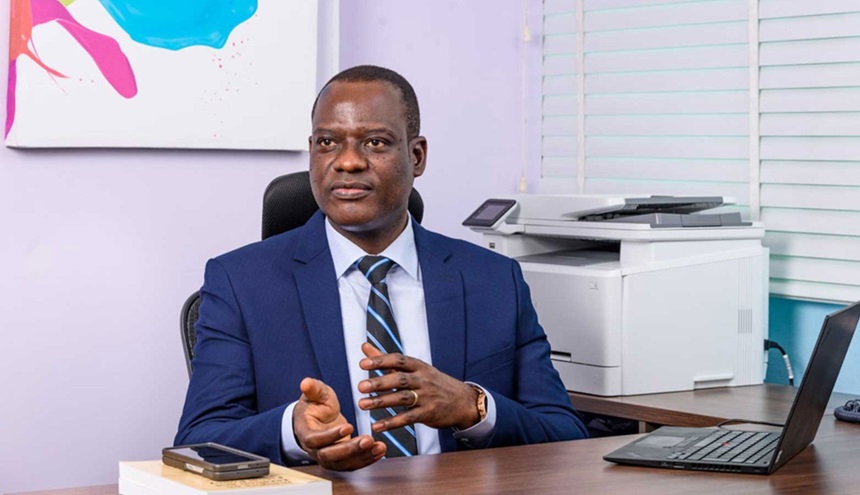
Oyedele also defended the Federal Government’s continued borrowing despite reports that revenue collections have exceeded official projections.
He argued that surpassing revenue targets does not automatically eliminate the need for borrowing where budgeted expenditure remains higher than available income.
Using a simple illustration, he explained that if the government plans to spend 10 units but projects revenue of six units, borrowing four units becomes necessary.
Even if actual revenue later increases to seven units, the government would still need to borrow three units to finance the approved budget.
“If you have a budget to spend 10 and your revenue target is six, you need to borrow four. If you eventually collect seven, you have exceeded your revenue target, but you still need to borrow three,” he explained.
He maintained that public borrowing should not be judged solely by its volume but by the quality of investments financed with the loans.
According to him, debt remains sustainable where borrowed funds generate economic returns that exceed their financing costs.
“We must add more value than the cost of every naira and every dollar that we borrow,” he said.

Felix Ifijeh is a journalist with years of professional reporting experience. Known for his keen news sense, compelling storytelling and commitment to accurate, impactful reporting, he has built a reputation for turning leads into clear, engaging, and well-structured reports that resonate with readers. His work reflects deep newsroom experience and a commitment to accurate, impactful journalism.
