August 29, (THEWILL) — The Federal Government has reiterated its commitment to deploying safe, science-driven biotechnology to strengthen Nigeria’s food security and improve public health.
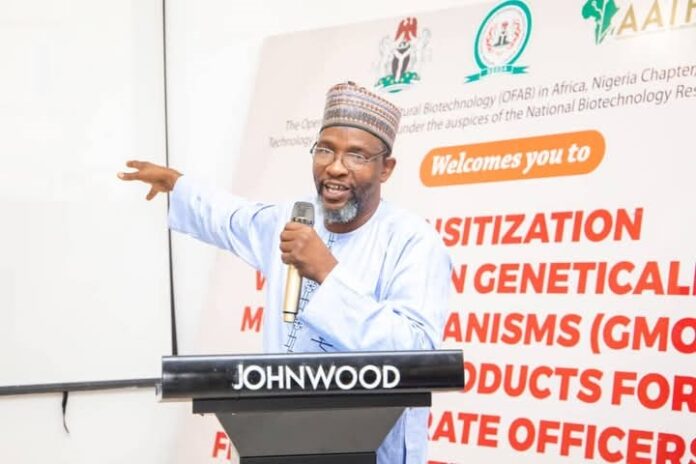
The commitment was conveyed at a recent sensitisation workshop on Genetically Modified Organisms (GMOs) and their products, hosted by the National Biotechnology Research and Development Agency (NBRDA) and the Open Forum on Agricultural Biotechnology (OFAB).
Speaking on behalf of the Director, Food and Drug Services Department, Pharmacist Olubunmi Aribeana; Mr John Atanda, National Coordinator of the Food Safety and Quality Programme in the Department; reiterated that the Federal Government, through the Federal Ministry of Health and Social Welfare and its agencies; is committed to ensuring that every GMO product is subjected to rigorous risk assessments- including allergenicity, nutritional composition, long-term health impacts and environmental considerations-will guide our approach.

“In doing so, we intend to mitigate potential risks and to engender the transparency our consumers rightfully expect. By working together, we can transform perceptions about biotechnology and ensure innovations like GMOs contribute meaningfully to Nigeria’s food security and nutritional advancement. With robust regulations in place, including labelling and traceability protocols, we aim to reinforce public trust and transparency”, Atanda said
In his keynote address, Professor Abdullahi Mustapha, Director-General of NBRDA, highlighted tangible benefits already recorded by Nigerian farmers through biotechnology adoption, citing yield increases of over 50 percent in TELA maize pilot projects, reduced pesticide use in Bt cowpea cultivation, and improved cotton yields.
“These results are not theoretical; they represent real harvests and real gains for farming households. Biotechnology, when responsibly governed, is a powerful ally in our national vision for food security, healthier communities, and economic revival under President Bola Ahmed Tinubu’s Renewed Hope Agenda”, he said.
Mustapha emphasised the importance of risk communication, urging journalists and policymakers to focus on data, context, and transparency to combat misinformation around biotechnology.
To further dispel misconceptions surrounding GMOs and their products, three in-depth presentations were delivered by leading experts, including:
“Biotechnology as a Tool to Address Low Productivity and Emerging Challenges” by Prof. Muhammad L. Umar, Department of Plant Science, Institute for Agricultural Research;
“GMO Debate: Science Perspective and Why the Opposition to GMOs” by Prof. Emmanuel Hala Kwon-Ndung, Professor of Plant Genetics and Breeding, Federal University of Lafia;
“The Science of Agricultural Biotechnology” by Dr. Rose Gidado, Director, Agricultural Biotechnology Department, NBRDA.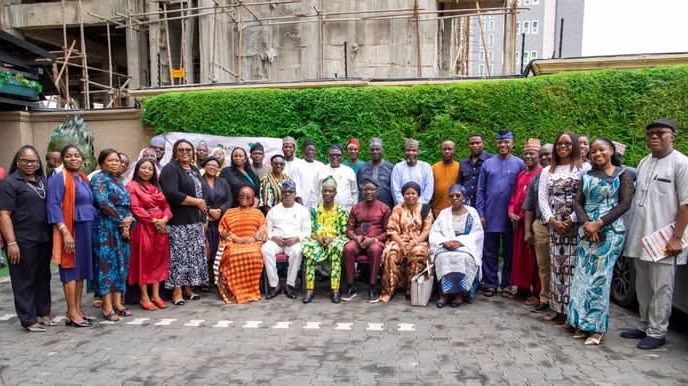
The sensitisation workshop, held at Johnwood Hotel, Abuja, brought together policymakers, scientists, regulators, and development partners to deepen understanding of biotechnology innovations and their implications for food safety, nutrition, and public health. It is expected to strengthen the capacity of FMOH&SW directorate officers to engage in evidence-based policymaking and public advocacy on biotechnology and food safety.

Felix Ifijeh is a journalist with years of professional reporting experience. Known for his keen news sense, compelling storytelling and commitment to accurate, impactful reporting, he has built a reputation for turning leads into clear, engaging, and well-structured reports that resonate with readers. His work reflects deep newsroom experience and a commitment to accurate, impactful journalism.