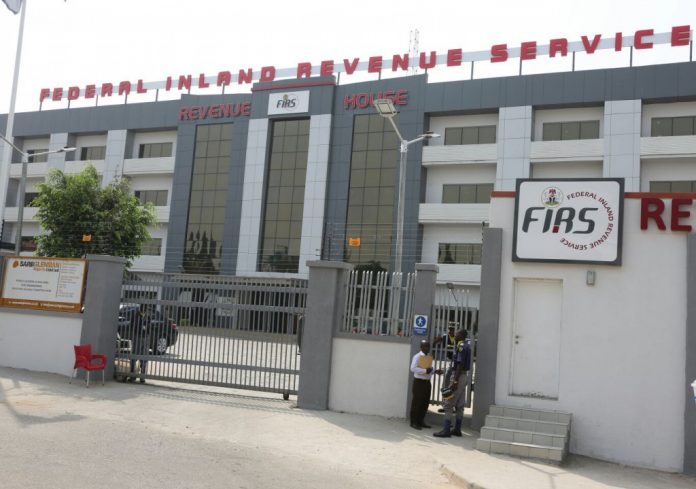
December 23, (THEWILL) — The Federal Inland Revenue Service (FIRS) has announced that the National Identification Number (NIN) will now serve as the official Tax Identification Number (TIN for Nigerians), marking a major reform aimed at simplifying tax administration, improving compliance, and broadening the country’s tax base.
Under the new framework, Nigerians with a valid NIN will no longer be required to undergo a separate registration process to obtain a TIN, as the NIN will automatically function as a unique tax identifier for all tax-related transactions. The move is designed to streamline taxpayer onboarding and eliminate longstanding bottlenecks associated with duplicate registrations and fragmented records.
The FIRS stated that integrating the national identity database with the tax system will enhance transparency, reduce data inconsistencies, and strengthen the efficiency of tax collection. By leveraging a single, verifiable identity system, the service aims to enhance the tracking of taxable activities while making it easier for individuals and businesses to fulfil their tax obligations.

The policy also aligns with the federal government’s broader digital transformation agenda, which seeks to improve coordination and data sharing across public institutions. Officials noted that harmonising identity and tax records would support better policy planning and help bring more Nigerians in the informal sector into the tax net over time.
To ensure a smooth transition, FIRS assured taxpayers that existing TINs will be harmonised with NINs, with measures in place to prevent service disruptions. The agency also emphasised that data protection and privacy safeguards would be strictly enforced in line with applicable regulations.
Nigerians without a NIN have been urged to enrol with the National Identity Management Commission (NIMC) to avoid challenges in accessing tax services and other government platforms. FIRS described the initiative as a critical step toward building a more efficient, inclusive, and technology-driven tax system capable of supporting Nigeria’s fiscal sustainability.

Ogochukwu Onwaeze