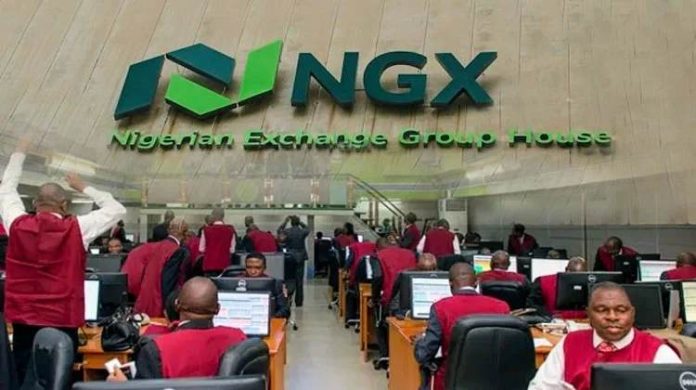
December 10, (THEWILL) — Foreign investors have returned to Nigeria’s stock market in a big way, reversing a three-year streak of net capital flight, a clear vote of confidence after the country’s FX reforms.
Data from Nigerian Exchange Group (NGX) shows that offshore investors injected about ₦1.1 trillion into Nigerian equities during the first ten months of 2025, outpacing foreign outflows of ₦909 billion.
The renewed inflow follows sweeping reforms by the Central Bank of Nigeria (CBN) and financial-market regulators that effectively reset the foreign-exchange (FX) landscape. Under the new regime:

The FX market has been liberalised, reducing distortions and promoting transparency.
Exchange-rate volatility has declined, narrowing the gap between official and parallel-market rates.
Foreign exchange inflows surged: data shows roughly US$20.98 billion entered Nigeria in the first ten months of 2025, a 70% increase over 2024, and a 428% rise compared with 2023.
Analysts say this more predictable and stable FX environment has restored investor confidence and turned Nigeria’s equities market into an attractive destination for global capital.
The foreign-capital return has helped push overall trading volumes and participation higher. Foreign portfolio investment now accounts for a larger share of NGX transactions, narrowing the gap with domestic investors.
According to stakeholders, the revival also reflects broader reforms, including banking sector recapitalisation, improved regulatory oversight, and enhanced market infrastructure, which, together with favourable valuations, have rekindled global interest in Nigeria’s capital markets.
This shift could signal a turning point for Nigeria’s capital markets. If sustained, foreign inflows could help improve liquidity, reduce the cost of capital, and support growth in domestic businesses.
But experts warn the recovery remains fragile, heavily reliant on continued FX-market stability, consistent policy, and global investor sentiment. Any disruption to reforms or renewed currency volatility could affect foreign appetite.
For now, 2025 stands out as the first year in recent memory where foreign portfolio inflows substantially outpaced outflows, a development that many regard as a litmus test of Nigeria’s macroeconomic reset.

Ogochukwu Onwaeze