
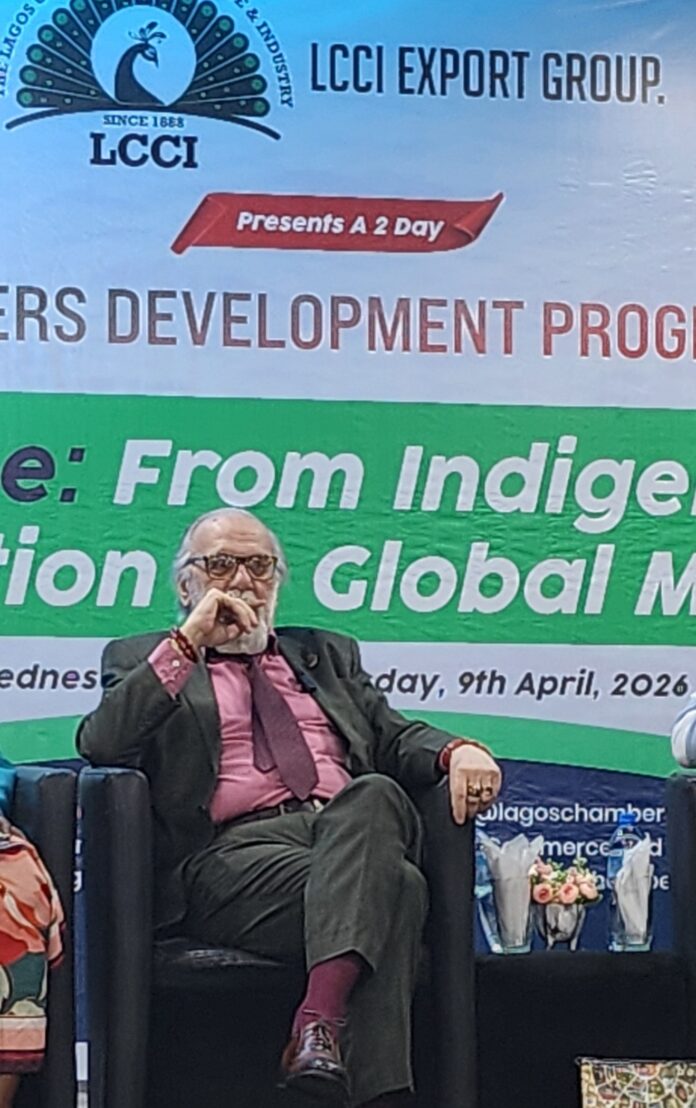
April 11, (THEWILL) — For Captain Giorgio, the Chief Executive Officer of Prime Next Logistics Ltd, Nigeria, is more than a place of work. It is a country whose culture, cuisine, and communities have shaped his life for more than three decades — sometimes in unexpected ways.
Despite medical advice to avoid pepper, Captain Giorgio admits he still enjoys Nigeria’s famously spicy delicacies. “I just can’t do without it”, he said, recalling his doctor’s warning to stay away from hot meals.
Yet, like many who spend years in Nigeria, he found himself drawn to the bold flavours that define the country’s culinary identity. From richly seasoned soups to spicy stews, Nigerian cuisine has become part of his everyday routine. However, his ties to Nigeria extend far beyond the dining table.

Years ago, community leaders in Ire Ekiti recognised his long-standing relationship with their people and conferred on him a traditional chieftaincy title — Atayese of Ire Ekiti.
The honour reflected years of trust, engagement, and cultural respect. For Captain Giorgio, the title carried deep meaning. It symbolised not just recognition, but acceptance into a community whose traditions remain central to identity and heritage.
For a foreign-born executive, becoming Atayese marked a significant cultural milestone — one that illustrated how commitment to local communities can build lasting bonds.
Captain Giorgio’s Nigerian journey began more than three decades ago in Port Harcourt, where he first established his professional footing. At the time, his stay was expected to be temporary. Instead, Nigeria became a long-term base for both his professional and personal growth. As his responsibilities expanded, he relocated operations to Lagos, Nigeria’s commercial nerve centre. The move placed him closer to major seaports, trade corridors, and emerging markets across West Africa.
Today, as Chief Executive Officer of Prime Next Logistics Ltd, Captain Giorgio leads a company that has operated for over a decade, supporting exporters and importers with structured logistics solutions.
His work focuses on reducing operational costs, improving delivery timelines, and strengthening supply chains for businesses seeking to compete in global markets.
Drawing from years of industry experience, he has remained vocal on the practical challenges facing African trade.
During a recent exporters’ forum, he highlighted the complexities of cross-border movement within the continent.
According to him, exporting goods within Africa often proves more time-consuming than shipping cargo to overseas destinations. He explained that multiple border checkpoints, customs inspections, and regulatory procedures contribute to delays and increased costs.
In some instances, he noted, transporting goods by sea to Europe and returning to another African destination may take less time than moving cargo across several land borders within Africa.
Captain Giorgio also identified policy inconsistency as a major concern. Frequent changes in government regulations, he observed, often disrupt existing trade systems and create uncertainty for businesses that depend on long-term planning.
“Continuity is essential”, he noted, stressing that policies that deliver results should be sustained regardless of leadership changes.
Without stability, he argued, businesses struggle to build reliable projections and make lasting investments. Despite these challenges, his outlook remains measured and optimistic.
He drew parallels between Africa’s integration efforts and the gradual development of European cooperation, noting that regional unity takes time, discipline, and sustained collaboration. Beyond business and trade, Captain Giorgio’s experience reflects a deeper cultural engagement with Nigeria. Although not Nigerian by birth, he speaks of the country with familiarity and appreciation.
Over the years, he has embraced local traditions, respected community institutions, and participated actively in cultural life.
He also expressed admiration for Nigeria’s natural tourism assets, particularly its coastal routes. According to him, travelling along the coastline offers a welcome contrast to the demands of corporate life.
The calm waters, open landscapes, and coastal communities provide moments of reflection and discovery. These experiences, he believes, highlight Nigeria’s untapped tourism potential. With improved infrastructure and sustained investment, he noted, coastal tourism could attract international visitors while supporting local livelihoods.
For Captain Giorgio, the journey from expatriate executive to community titleholder reflects a broader narrative — one shaped by adaptation, respect, and shared growth.
His story underscores how cultural immersion often deepens professional relationships and strengthens long-term commitments.
Within Nigeria’s tourism and cultural landscape, his experience stands as a reminder that integration goes beyond contracts and commerce. It unfolds in everyday experiences — from sharing meals to participating in local traditions.
From embracing Nigeria’s fiery cuisine despite medical warnings to earning the respected title of Atayese, Captain Giorgio’s story reflects a blend of global expertise and local identity.
In many respects, it also reflects Nigeria’s enduring strength — a nation capable of welcoming outsiders, nurturing connections, and transforming professional assignments into lifelong relationships.

Janefrances Ebere Chibuzor is a Tourism Writer at THEWILL
