
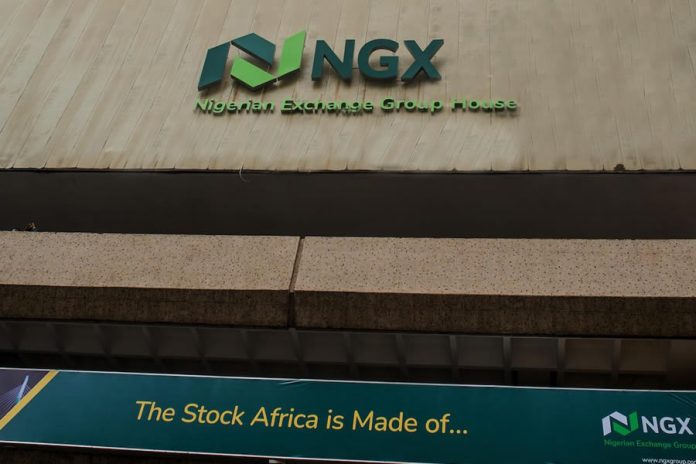
November 04, (THEWILL) — Foreign portfolio investors (FPIs) have injected over ₦1 trillion into Nigerian equities so far in 2025, marking a sharp rebound in offshore participation and signalling renewed confidence in Africa’s largest economy.
According to data from the Nigerian Exchange Limited (NGX) and market operators, the inflows—more than double those recorded in 2024—reflect the combined impact of recent macroeconomic reforms, a more transparent foreign exchange regime, and improved repatriation processes for foreign funds.
Policy Reforms Spark Renewed Confidence
Analysts attribute the surge in foreign capital to the Central Bank of Nigeria’s ongoing FX liberalization, the unification of exchange rates, and fiscal reforms under the government’s new economic direction.

These policies have restored some faith among institutional investors who previously exited the market amid currency instability and capital control challenges.
“Foreign investors are clearly responding to the return of a more predictable policy environment,” noted a Lagos-based market strategist.
“Liquidity is improving, valuations are attractive, and reforms are beginning to show in earnings, especially for banks and industrials.”
Sectors Driving Inflows
Much of the foreign participation has been concentrated in banking, consumer goods, oil & gas, and telecoms—sectors viewed as resilient to inflation and with strong foreign currency exposure.
Banking stocks, buoyed by recapitalization efforts and record profit declarations, have led the charge in turnover volumes and foreign trades.
In contrast, manufacturing and insurance equities continue to lag, largely due to high operating costs and interest rate pressures.
Investor Sentiment and Market Outlook
While foreign inflows are robust, the market remains largely driven by domestic investors, who account for over 70% of daily trades.
Analysts warn that sustained stability in FX management and inflation control will be crucial for keeping offshore capital in the market beyond the short term.
The All-Share Index (ASI) has remained volatile, hovering around the 154,000 mark, reflecting cautious optimism.
Market breadth has leaned negative in recent sessions, but large-cap stocks such as Dangote Cement, GTCO, and SEPLAT Energy continue to anchor overall resilience.
This surge in foreign participation signals a reawakening of Nigeria’s capital market as a viable destination for portfolio investors seeking high yields in emerging markets.
However, experts caution that consistent policy alignment, credible fiscal management, and reduced political risk will determine whether this momentum translates into sustainable growth.
If maintained, analysts project that total foreign inflows could exceed ₦1.3 trillion by year-end, marking the strongest annual foreign investment performance since 2018.

Ogochukwu Onwaeze
