

March 09, (THEWILL) — Finance ministers of the Group of Seven (G7) have warned of mounting economic risks as global oil prices climbed above $100 per barrel, prompting emergency discussions on possible market interventions to stabilise energy supplies and protect fragile global economies.
The ministers from the bloc comprising the United States, United Kingdom, France, Germany, Italy, Canada, and Japan, held an emergency virtual meeting to assess the sharp spike in oil prices triggered by the escalating conflict in the Middle East.
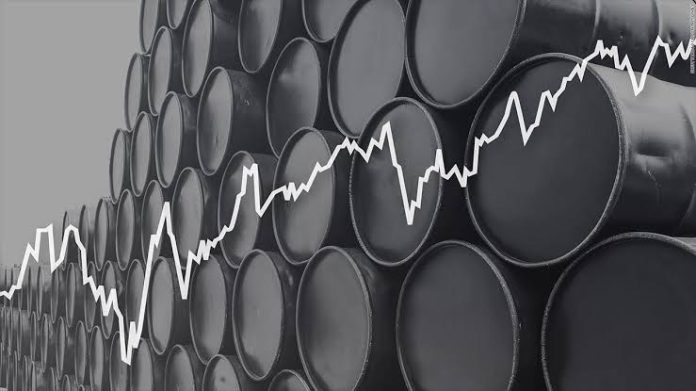
Global crude prices surged on Monday, with Brent crude briefly approaching $120 per barrel amid fears that the conflict could disrupt shipments through the Strait of Hormuz, a critical maritime route for global oil supplies.

Market analysts say the spike has been driven by conflict-related outages and reduced flows from major producers, raising concerns that higher energy costs could worsen inflation at a time when many economies are still struggling with persistent cost-of-living pressures.
During the meeting, G7 finance chiefs discussed whether to coordinate a joint release of emergency oil reserves to help calm volatile markets.
The talks were held in collaboration with the International Energy Agency (IEA), which coordinates collective strategies among major energy-consuming countries to respond to supply disruptions.
Officials familiar with the deliberations said at least three G7 members, including the United States, signalled support for tapping strategic petroleum reserves if market conditions deteriorate further.
Industry analysts estimate that a coordinated release could involve between 300 million and 400 million barrels of crude oil from emergency stockpiles, representing a substantial portion of the reserves held by participating countries.
However, G7 officials indicated that no final decision has been reached.
France’s Finance Minister, Roland Lescure, said the group remains prepared to act if necessary but has not yet agreed to deploy the reserves.
“We are ready to act if needed, but we are not there yet,” Lescure said, underscoring the cautious approach policymakers are taking as they monitor developments in the energy market.

Felix Ifijeh is a journalist with years of professional reporting experience. Known for his keen news sense, compelling storytelling and commitment to accurate, impactful reporting, he has built a reputation for turning leads into clear, engaging, and well-structured reports that resonate with readers. His work reflects deep newsroom experience and a commitment to accurate, impactful journalism.



